January 23, 2026
Storms in Southeast Michigan are unpredictable. High winds, heavy snow, and ice can bring down even healthy trees. When that happens, homeowners are left with two urgent questions: Who pays for the damage, and what does insurance actually cover?
The answer depends on how and why the tree fell, what it hit, and what kind of insurance coverage you have. Michigan homeowners often assume insurance will cover any tree damage, but that is not always true. Policies have limits and exclusions that can surprise you when you file a claim.
This guide explains exactly what homeowner’s insurance covers when a tree falls, what is not covered, and what steps you should take if it happens on your property.
Will My Homeowners Insurance Cover Preventative Tree Removal in Southeast Michigan?
Homeowner’s insurance in Michigan typically covers tree-related damage caused by sudden and accidental events. These include windstorms, lightning, ice, snow, and sometimes vehicle accidents. The key words are “sudden” and “accidental.”
If the tree was already dead, rotting, or visibly weak, insurance companies may say the fall was caused by neglect, not a covered peril. They will likely deny the claim.
The basic rule is:
- If a healthy tree falls during a covered event, your policy will likely pay for repairs and partial removal.
- If the tree was diseased, dead, or left unmaintained, you may have to cover the entire cost yourself.
What’s Typically Covered by Your Insurance
Insurance coverage depends on what the tree damaged, where it came from, and the reason it fell.
Tree Falls on Your Home
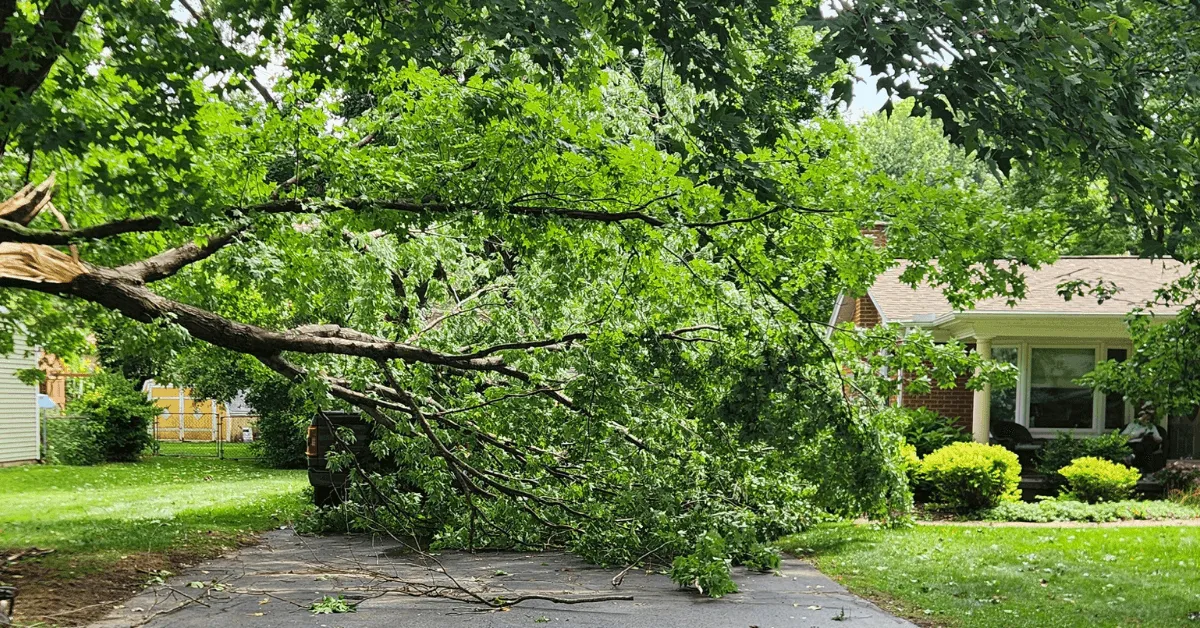
If a tree hits your home, insurance will almost always cover the repairs. The policy pays to fix the roof, walls, or other parts of the structure, and it usually covers debris removal up to a certain limit.
Example:
During a thunderstorm in Farmington Hills, a large oak falls and damages your roof. Your policy should cover the roof repair, the cost to remove the tree from your house, and any interior damage caused by water or debris.
Tree Falls on a Detached Structure
If the tree hits your garage, fence, or shed, the claim is covered under “other structures” in your policy. This usually has a lower limit, often around 10 percent of your total dwelling coverage.
Example:
If your home is insured for $300,000, your policy might cover up to $30,000 for detached structures.
Tree Blocks Your Driveway or Access
If a tree blocks your driveway or the only entrance to your home, many insurers will pay for limited tree removal. This is part of “debris removal coverage,” and most policies include a small allowance, often between $500 and $1,000 per tree.
Tree Falls in Your Yard Without Hitting Anything
If a tree simply falls in your yard and does not hit a structure, most policies will not pay for cleanup or removal. You would need to hire a tree service at your own expense.
What’s Not Covered by Homeowners Insurance
There are clear limits to what insurance companies will pay for. Here are the most common exclusions.
No Damage, No Coverage
If the fallen tree does not damage a structure, block access, or cause injury, it is not considered a covered event. The cost of removal is the homeowner’s responsibility.
Neglect or Poor Maintenance
Insurance is designed to cover sudden accidents, not long-term neglect. If the tree was obviously dead or leaning for years, the insurer will likely deny coverage, even if it finally fell during a storm.
Example:
A dead ash tree falls during light rain in Novi. The homeowner admits the tree had been rotting for months. Insurance will deny the claim because the fall was foreseeable and preventable.
Flooding or Ground Movement
If a tree falls because the ground shifted or flooded, most standard policies do not cover the damage. Flood and earth movement require separate policies.
Intentional Damage
If someone cuts a tree down and it falls on your house by mistake, that might not be covered unless the act was part of a covered peril or a proven accident.
When a Neighbor’s Tree Falls on Your Property
This situation confuses many homeowners. In most cases, your own insurance pays for damage to your home, even if the tree came from your neighbor’s yard.
If the tree was healthy and fell because of a storm, lightning, or wind, you are responsible for cleanup and repairs on your side.
If the tree was visibly unsafe, diseased, or dead, and your neighbor ignored warnings, they could be considered negligent. In that case, your insurance company may pay first and then recover the cost from your neighbor’s insurer through a process called subrogation.
Expert Tip:
Document the tree’s condition with photos and save any written communication you had with your neighbor about it. This can help prove negligence later.
When Your Tree Falls on Someone Else’s Property
If your tree damages a neighbor’s home, the same rule applies in reverse. If it was healthy and fell during a storm, you are not responsible for its damage.
If the tree was neglected or unsafe, you may be held liable. In that case, your liability coverage could pay for the damage to their property.
Your insurance company will investigate to determine whether the fall was caused by weather or neglect.
How Insurers Decide Negligence in Tree Damage Claims
Negligence is the deciding factor in most tree-related claims. Insurers and courts look at whether the tree owner acted reasonably to maintain their trees.
Signs that may prove negligence include:
- Dead or missing bark
- Large cracks in the trunk
- Hollow sections or rot
- Fungal growth near the roots
- Repeated neighbor complaints about danger
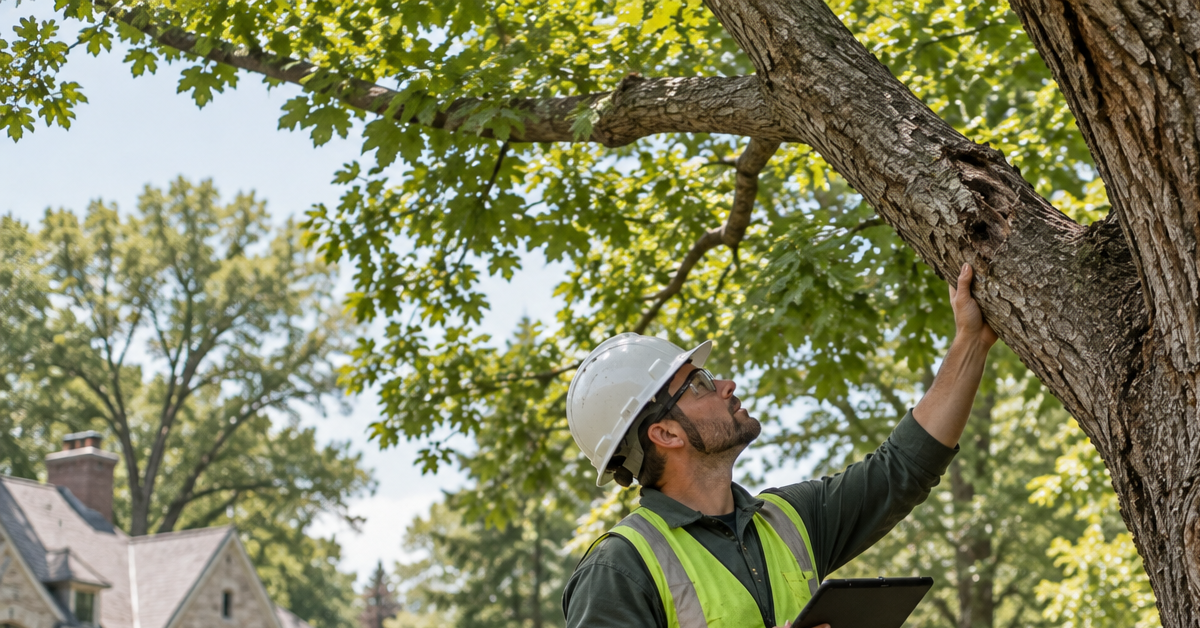
- No record of maintenance or inspection
If these conditions existed and the owner did nothing, liability is likely to fall on them.
Regular maintenance and pruning can prevent both accidents and denied claims.
Tree Removal Coverage Limits in Michigan Policies
Even when removal is covered, insurance policies usually limit how much they will pay.
Most Michigan homeowner policies cover:
- $500 to $1,000 per tree, or
- A total of $1,000 to $2,500 per incident.
If multiple trees fall during one storm, the overall limit still applies. If ten trees fall but only two hit your home, you may receive coverage for only the ones that caused damage.
You can increase these limits by adding an endorsement to your policy for extended debris or tree removal coverage. It’s inexpensive and useful for large properties.
What to Do Immediately After a Tree Falls
Taking the right actions in the first few hours makes a big difference in safety and insurance outcomes.
- Stay Safe: Keep everyone away from the area until you know it’s stable. Watch for downed power lines and sharp debris.
- Take Photos: Capture wide and close-up photos of the tree, damage, and the surrounding area before removing anything.
- Call Your Insurance Company: Report the incident as soon as possible. The sooner they know, the faster they can assign an adjuster.
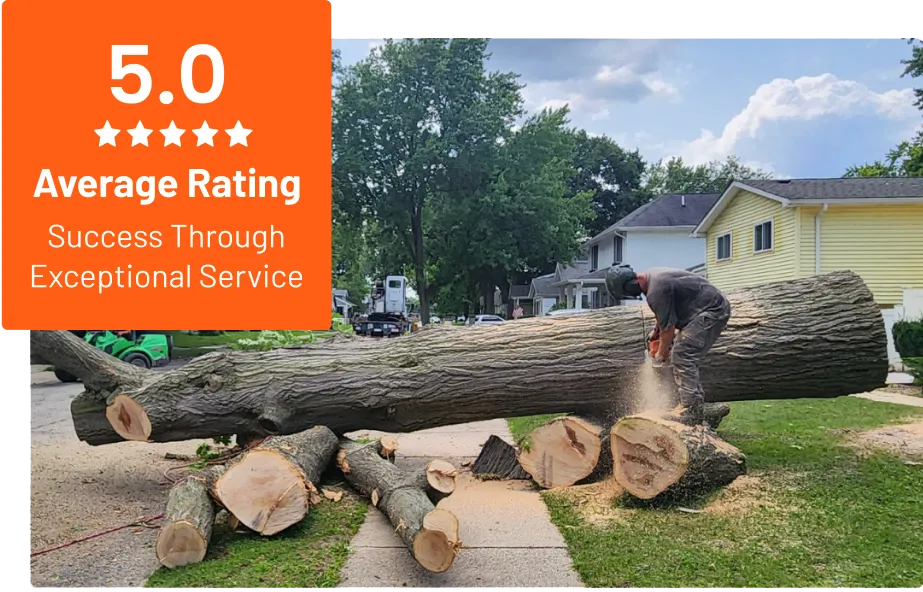
- Hire a Professional Tree Service: Never try to move a large tree yourself. Professionals have the equipment and training to remove trees safely.
- Keep Receipts: Save all invoices and estimates. You will need them for your insurance claim.
Do not throw anything away or start repairs until your insurance adjuster has seen the damage.
Reading and Understanding Your Policy
Before a tree ever falls, review your insurance policy carefully. Look for these key areas:
- Perils covered: Check that wind, ice, and lightning are listed.
- Tree removal coverage: Find out the dollar limit per tree and per event.
- Detached structure coverage: Make sure fences and sheds are included.
- Exclusions: Read what is not covered, such as neglect or maintenance failure.
- Deductible: Know what amount you must pay before coverage starts.
If your property has many trees or sits near wooded areas, consider adding extra debris removal coverage.
How to Work With Insurance Adjusters After Tree Damage
When you file a claim, an insurance adjuster will inspect your property. Their report determines what caused the fall and what repairs are covered.
To make the process smoother:
- Be available to walk them through the damage.
- Share your photos and maintenance records.
- Get your own repair estimates for comparison.
- Ask questions about what is or isn’t covered.
- Request written explanations for any denials.
If you disagree with their findings, you can request a re-inspection or appeal.
Special Cases for Michigan Homeowners
Public or City-Owned Trees
If a tree maintained by the city falls on your property, you may need to file a claim with the city rather than your insurer. Municipal claims have their own procedures and deadlines.
Homeowners’ Associations
If you live in a subdivision with an HOA, tree damage in shared spaces is often covered under the association’s policy. Individual homeowners handle damage to their own property.
Rental Properties
For rental homes, the landlord’s insurance covers the structure, while the tenant’s renters’ insurance covers personal belongings.
Common Mistakes That Delay or Deny Claims
- Failing to report damage quickly.
- Cleaning up before taking photos.
- Ignoring obvious signs of decay before the fall.
- Hiring unlicensed contractors for removal.
- Assuming all tree damage is automatically covered.
Avoiding these mistakes helps prevent disputes and speeds up claims.
Frequently Asked Questions About Insurance and Fallen Trees in Southeast Michigan
1. Does homeowner’s insurance cover tree removal in Michigan?
Yes, but only in certain cases. Insurance usually covers tree removal when the tree damages your house, garage, or fence, or blocks access to your home. If a tree simply falls in your yard without hitting anything, cleanup is normally your responsibility.
2. What if my neighbor’s tree falls on my house?
If your neighbor’s healthy tree falls during a storm, your insurance covers the damage to your home. If the tree was dead, diseased, or clearly unsafe and your neighbor ignored it, their insurance may be responsible. Always document the tree’s condition and notify both insurance companies.
3. Can insurance deny my claim if the tree was old or unhealthy?
Yes. Insurance can deny claims if it finds the tree was neglected or obviously unsafe before it fell. Homeowners are expected to maintain trees in a safe condition. Regular inspections and trimming help prevent denials.
4. How much does insurance pay for tree removal?
Most Michigan homeowner policies cover between $500 and $1,000 per tree, and sometimes limit total tree removal coverage to $2,500 per incident. You can increase this amount with an optional endorsement for extra debris removal.
5. Does insurance cover damage from city or street trees?
If a city-owned tree falls on your property, you usually need to file a claim with the local public works or risk management office, not your insurer. Each city in Southeast Michigan has its own process and timeline for city tree damage claims.
6. What should I do right after a tree falls on my property?
First, make sure everyone is safe and stays clear of the area. Take clear photos of the damage, then call your insurance company and a local tree removal service. Avoid moving or cutting anything until the insurance adjuster inspects the site.
Key Takeaways for Homeowners in Southeast Michigan
- Most policies cover tree damage from storms, lightning, and high winds.
- Cleanup alone, without structural damage, usually is not covered.
- Neglect or lack of maintenance can lead to denied claims.
- Your own insurance handles damage, even from a neighbor’s healthy tree.
- Regular trimming and inspections protect you legally and financially.
- Review your coverage limits before winter and storm season.
When to Call a Professional
If a tree falls or looks unstable, do not try to handle it yourself. Tree removal is dangerous without proper equipment. A local tree service can remove the debris safely, help document the situation for insurance, and check nearby trees for risks.
They can also confirm whether a permit is needed for large removals, which varies by city in Southeast Michigan.