Know the Best Time to Prune Trees in Farmington Hills, Livonia, Novi, and Birmingham, MI
August 28, 2025
Understanding Southeast Michigan’s Climate and Its Impact on Tree Pruning
Southeast Michigan’s humid continental climate brings cold winters, warm summers, and unpredictable seasonal shifts. The growing season runs from late April to October, with long stretches of freezing winter temperatures. These conditions make pruning timing critical for tree health, structure, and survival.
Late winter or early spring pruning can trigger strong growth if done right—but harm trees if mistimed. Summer pruning helps manage size and shape but risks stress or disease if poorly timed. The safest pruning generally happens during dormancy, but local weather swings require flexibility.
Sudden temperature changes can push trees in and out of dormancy, making precise timing essential. Weather patterns directly influence tree biology, creating short safe windows for pruning and periods when it should be avoided to prevent damage.
The Ideal Pruning Window for Southeast Michigan Trees
The best time to prune most trees in Southeast Michigan is late winter, typically from February through early March. Trees are still dormant, which lowers the risk of stress, pests, and disease, while milder conditions help cuts heal as spring arrives. More broadly, the optimal timing for tree pruning in our region occurs during the dormant season, from late November through early March, when trees have slowed their metabolic processes and entered dormancy. This window makes pruning safest for long-term health without compromising recovery.
Late Winter Pruning Advantages
Late winter pruning in February or early March keeps trees dormant but avoids extreme cold, allowing cuts to heal as spring starts. It limits disease and pest risk, improves visibility of tree structure, and makes work more comfortable for both homeowners and arborists.
Critical Timing Considerations for Michigan Conditions
Dormant season timing is crucial here because unpredictable winters can trigger premature growth that later freezes. Pruning in stable dormancy avoids this. Arborists watch forecasts closely and adjust schedules to match safe weather windows.
Species-Specific Timing Considerations for Common Southeast Michigan Trees
Tree species in Southeast Michigan each have their own best pruning times. Knowing these specific needs helps property owners keep trees healthy and avoid costly damage or corrective work.
Oak Trees: Critical Disease Prevention Timing
Prune oak trees only in dormant months to prevent oak wilt, a deadly fungal disease active in warm weather. Winter pruning protects health and reduces risk. Remove damaged or dead branches in dormancy. Oak wilt spreads via root grafts and beetles drawn to fresh wounds.
Maple Trees: Managing Sap Flow Considerations
Maple trees can be pruned in dormancy, but late winter cuts may cause heavy sap flow. This natural “bleeding” doesn’t harm the tree but can be messy. To limit sap, prune earlier in winter or follow arborist timing advice.
Fruit Trees: Maximizing Production Through Proper Timing
Apple, cherry, and pear trees should be pruned in late winter before bud break to boost flowering and fruit set. Correct timing supports productivity and long-term health.
Evergreen Trees: Year-Round Considerations
Evergreens like pine and spruce are best lightly pruned in late spring or early summer when new growth is soft. Avoid cutting into old wood, which won’t regrow.
Southeast Michigan Tree Pruning Calendar
| Month | Activity | Tree Types | Weather | Risk |
|---|---|---|---|---|
| Jan | Light dormant pruning | Most deciduous (avoid oaks) | Extreme cold limits work | Low |
| Feb | Prime pruning window | All deciduous, fruit trees | Stable dormancy, mild temps | Lowest |
| Mar | Finish dormant pruning | Deciduous (check buds) | Watch early warm spells | Low |
| Apr | Emergency only | Storm damage removal | Variable spring weather | High |
| May | Light evergreen pruning | Pine, spruce, fir | New growth soft | Moderate |
| Jun | Evergreen pruning | Pines, evergreens | Warm, active growth | Moderate |
| Jul | Limited summer pruning | Emergency, sprouts | Hot, dry stress | High |
| Aug | Minimal pruning | Emergency only | Peak heat | High |
| Sep | No routine pruning | Storm damage only | Pre-dormancy | Moderate |
| Oct | Avoid non-emergency | Emergency only | Fall growth risk | High |
| Nov | Start dormant season | Light pruning | Favorable weather | Lower |
| Dec | Dormant pruning | Most species | Cold limits work | Low |
Detailed Seasonal Considerations and Weather Pattern Analysis
Southeast Michigan’s notoriously unpredictable spring weather requires considerable flexibility in pruning schedules and ongoing weather monitoring throughout the pruning season. Some years, warm spells during February can trigger early bud activity and premature dormancy break, while other years, cold weather persists well into April, extending the safe pruning window. Professional arborists continuously monitor these changing conditions and adjust their pruning schedules accordingly to ensure optimal timing for each specific season’s unique weather patterns.
Spring Weather Challenges and Adaptations
Spring weather here can quickly push trees from dormancy to active growth. Once buds swell or leaves emerge, the pruning window closes, and cuts can stress trees. Unpredictable conditions mean constant monitoring is key for safe timing.
Summer Pruning Applications and Limitations
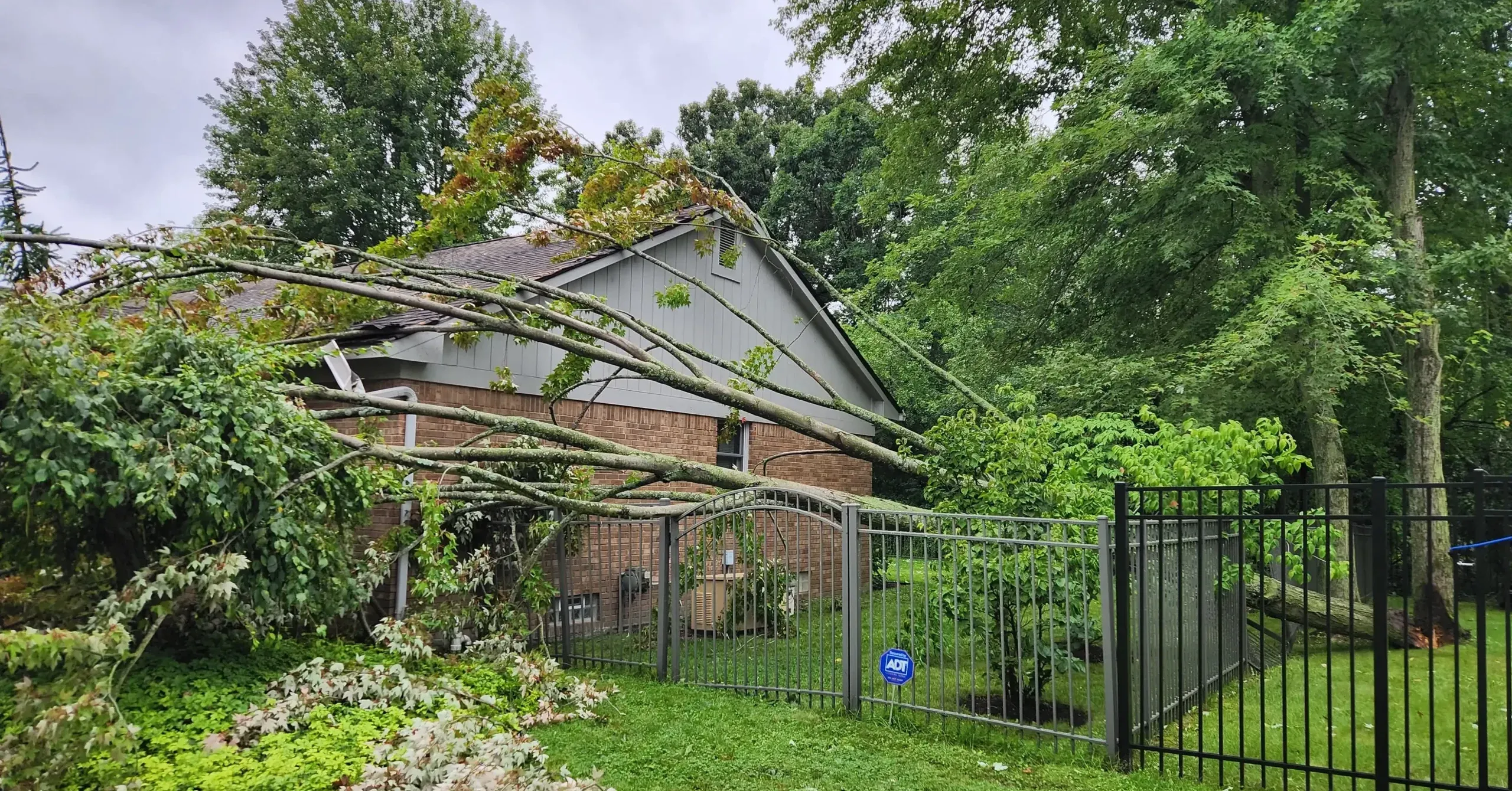
Summer pruning is useful for removing storm damage or controlling excessive growth near structures or power lines. Limit cuts to avoid stressing trees in hot, dry July and August. Heat plus pruning can cause dieback or pest problems, so consult a professional for safe timing.
Fall Pruning Risks and Consequences
Fall pruning is strongly discouraged in Southeast Michigan. It can trigger new growth that won’t harden before winter, increasing risk of cold and ice damage. Fresh cuts also invite pests and disease. Arborists advise against non-emergency fall pruning.
Professional Expertise and Specialized Knowledge
Professional arborists possess comprehensive understanding of local tree species, regional disease patterns, and seasonal challenges specific to Southeast Michigan’s unique growing conditions. They also maintain the specialized equipment, safety training, and comprehensive insurance coverage necessary to work safely around power lines, structures, and large branches that characterize established neighborhoods throughout the region.
Pruning must be done with an understanding of tree biology because improper pruning can create lasting damage or shorten the tree’s life, making professional expertise particularly valuable for significant pruning projects or valuable specimen trees.
Homeowner Safety and Liability Considerations
For homeowners considering do-it-yourself pruning projects, it is essential to limit activities to small branches measuring less than two inches in diameter and to prioritize safety above all other considerations. Never attempt to prune near power lines or remove large branches without proper equipment, safety training, and experience. Property owners should also be aware that improper pruning techniques can create liability issues if falling branches damage neighboring property or cause personal injury.
The potential consequences of improper pruning extend far beyond immediate tree health concerns to include significant safety risks and potential legal liability that make professional services a wise investment for major pruning needs.
Common Pruning Mistakes That Property Owners Must Avoid
Understanding common pruning mistakes helps property owners make better decisions about tree care and avoid costly errors that can compromise tree health or create safety hazards. These mistakes often result from well-intentioned efforts that lack proper knowledge of tree biology and regional growing conditions.
Fall Pruning: A Critical Timing Error
One of the most frequent and damaging mistakes observed throughout Southeast Michigan involves fall pruning activities. Many property owners assume that autumn represents an ideal pruning time because leaves are naturally falling and trees appear to be entering dormancy, but this timing can prove extremely detrimental to tree health in our specific climate conditions.
Fall pruning stimulates new growth at a time when trees should be preparing for winter dormancy, leaving them vulnerable to cold damage and reducing their ability to survive harsh winter conditions that are common in our region.
Over-Pruning and Tree Topping Damage
Over-pruning can cause lasting harm. Never top trees or remove more than 25% of the canopy in a year, as this stresses them especially before harsh winters. Topping creates weak regrowth prone to storm damage. Proper pruning keeps natural shape, strength, and healthy growth.
Improper Cut Placement and Technique
Improper cut placement represents another critical error that can compromise tree health. Cuts made too close to the trunk can damage the branch collar and prevent proper healing, while cuts made too far from the trunk leave unsightly stubs that become entry points for decay organisms.
Understanding proper cutting techniques requires knowledge of tree anatomy and healing processes that professional arborists possess but most property owners lack, making education or professional services essential for proper tree care.
Frequently Asked Questions About Tree Pruning Timing
When is the absolute best time to prune most trees in Southeast Michigan?
Late winter, from February to early March, is best. Trees stay dormant, avoiding stress from deep cold. Cuts heal quickly as spring starts, and pest or disease risk is minimal.
Can I prune my oak trees in summer to avoid the messy spring cleanup from falling debris?
Never prune oak trees during the growing season in Southeast Michigan because beetles that spread oak wilt are active from April to October. Prune only in dormant months, ideally December to February, to avoid this deadly disease.
What should I do if a storm damages my trees outside the ideal pruning window?
Remove storm-damaged branches right away to prevent further harm and safety risks, but only cut what poses immediate danger. Plan full corrective pruning in the right season for better recovery.
How much of my tree can I safely remove in a single pruning session?
Never remove more than 25% of a tree’s canopy in one year. Harsh winters demand energy reserves, and over-pruning increases cold and ice damage risks. For large canopy reductions, spread the work over several years.
Should I prune my fruit trees differently than my shade trees?
Prune apple, cherry, and pear trees in late winter, February to March, to boost fruit production and keep them easy to harvest. Open the canopy for better light and air flow, reducing summer disease risks and encouraging healthy fruit growth.
What is the difference between pruning evergreen and deciduous trees in our area?
Evergreen trees like pine, spruce, and fir need different care from deciduous trees. Lightly prune in late spring or early summer when new growth is soft, never removing more than one-third, and avoid cutting into old wood, which won’t regrow.
Unsure About Your Trees? Get a Professional Opinion.
In Southeast Michigan, proper pruning timing isn’t just a suggestion it’s essential for protecting the health, beauty, and value of your property. At Clean Cut Tree Experts, our skilled tree professionals have the local knowledge and specialized equipment to handle any challenge, from storm damage to caring for mature trees. Don’t risk costly mistakes. Invest in your property with a professional approach tailored to our unique climate.