Causes, Treatments, and Prevention Tips for Healthier Trees and Plants
November 5, 2025
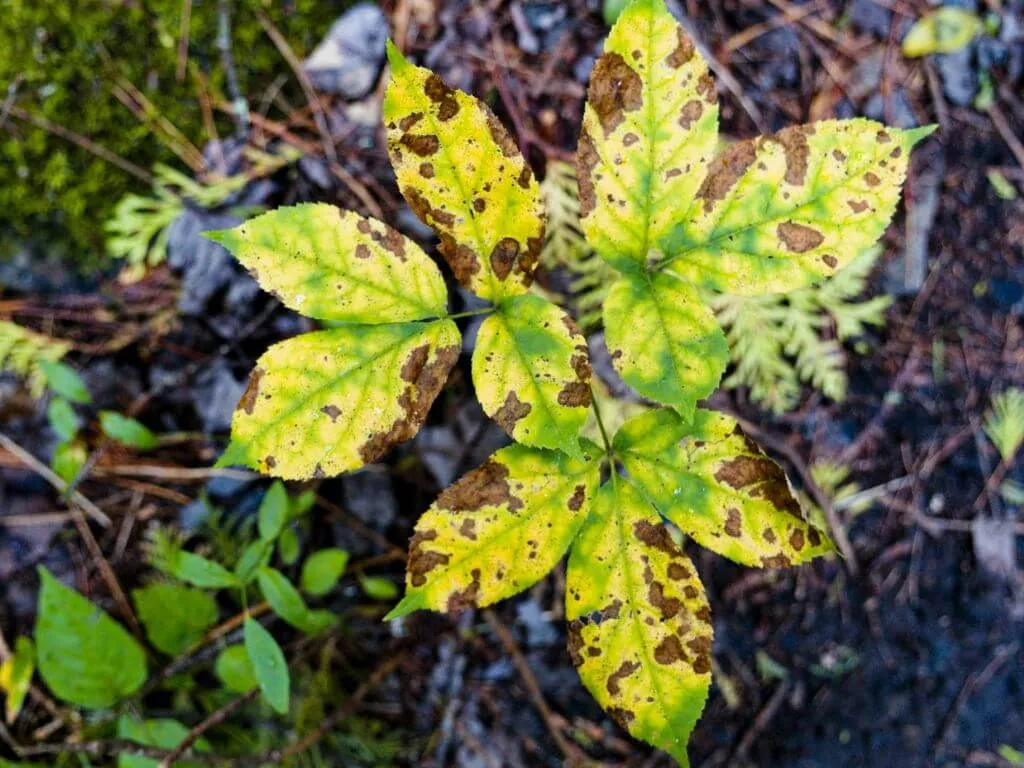
Seeing black spots on tree leaves or garden plants in your landscape can be worrying for any homeowner or property manager. In many cases, these dark marks signal common tree health issues such as fungal leaf spot, tar spot on maples, bacterial infections, insect infestations, or even stress from overwatering and poor air circulation. Recognizing these early warning signs is essential for effective tree care and plant maintenance. By understanding what causes black spots on leaves, you can take quick action to protect your trees, shrubs, and garden plants, maintain curb appeal, and avoid costly long-term damage. This guide from Clean Cut Tree Experts explains the causes, solutions, and prevention strategies in detail to help keep your landscape thriving.
What Do Black Spots on Leaves Mean?
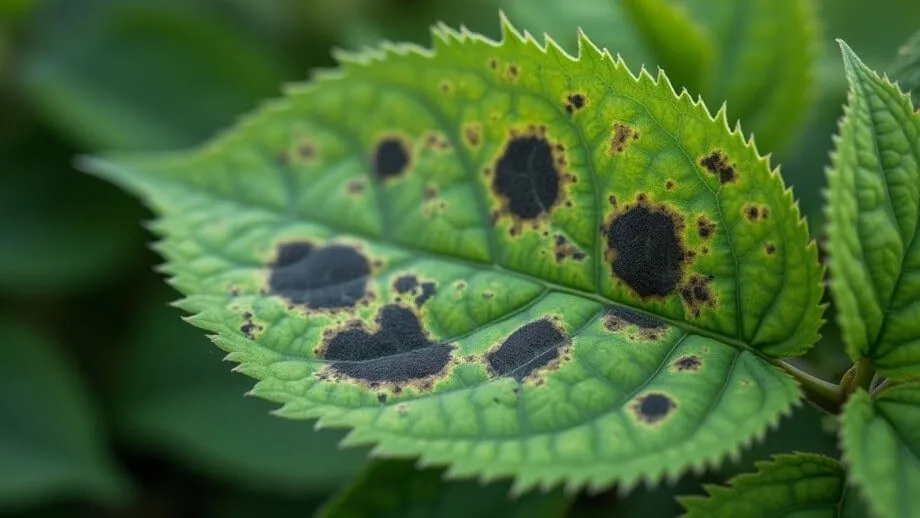
Black spots typically indicate a problem affecting the health of your plant. Common reasons include:
- Fungal diseases such as tar spot or leaf spot
- Bacterial infections spread through moisture and wounds
- Pest damage from insects feeding on leaves
- Environmental stress, like overwatering or poor air circulation
In many cases, the severity depends on the plant species, the local climate, and how long the issue has gone unnoticed. Left untreated, black spots can weaken trees, reduce growth, limit photosynthesis, and in severe cases, cause premature leaf drop that stresses the entire plant system. In gardens, repeated outbreaks can also make plants more vulnerable to other secondary problems, such as powdery mildew or root rot, creating a cycle of decline that frustrates homeowners.
Common Causes of Black Spots on Leaves
1. Fungal Infections
Fungi thrive in warm, moist environments. Tar spot on maple trees, for example, produces round, raised black patches. Other fungi create irregular blotches that spread quickly in wet weather. Once fungal spores are present, they can spread from leaf to leaf or even plant to plant through wind, water splash, or contaminated tools. Seasonal weather patterns, especially humid summers or long rainy periods, make fungal diseases more likely. If untreated, fungal diseases may return each year from overwintering spores on fallen leaves, which makes proper cleanup especially important.
2. Bacterial Leaf Spot
Unlike fungi, bacterial spots are often water-soaked, turning black as the tissue dies. These usually appear during prolonged periods of rain and humidity. Bacteria can enter through natural openings or wounds in the leaf surface. Because they reproduce quickly in wet conditions, entire sections of a tree canopy may show spotting if not addressed. Identifying bacterial versus fungal infections is crucial because treatment methods differ. Without action, bacterial infections can spread to nearby plants and may require multi-season management strategies.
3. Pests and Insects
Aphids, scales, and other insects may damage leaf tissue or encourage sooty mold to grow, leading to black discoloration. Insects feed by piercing leaves and extracting sap, weakening the plant and opening the door for disease. As pests multiply, the damage becomes more visible and may coincide with curled leaves, sticky residue (honeydew), or visible colonies of insects. Secondary problems, such as ants farming aphids, can worsen conditions, while unchecked infestations can stress entire trees.
4. Environmental Factors
Poor drainage, overcrowded plants, or excessive watering can stress roots, making leaves more vulnerable to spotting. For example, planting trees too closely can reduce airflow and trap humidity around the canopy. Similarly, compacted soil or low-lying areas that hold water create a breeding ground for root and leaf problems. Stress from drought, followed by sudden heavy rain, can also contribute to spotting. Long-term stress can reduce vigor, making the tree less able to resist other pests and pathogens.
How to Fix Black Spots on Leaves
1. Improve Air Circulation
Prune surrounding branches to allow more sunlight and airflow. This reduces the moisture that fungi and bacteria need to survive. In landscape settings, spacing trees and shrubs correctly prevents overcrowding and helps plants stay healthier long term. Consider thinning dense canopies in ornamental trees to encourage quicker drying after rainfall.
2. Adjust Watering Practices
Water at the base of the tree instead of overhead. Avoid overwatering, which can promote fungal growth. Use drip irrigation or soaker hoses when possible. Morning watering is preferable, as it allows leaves to dry throughout the day and prevents overnight moisture buildup. Monitoring soil moisture with a probe or sensor can also help avoid guesswork.
3. Remove Affected Leaves
Collect and dispose of fallen, spotted leaves. This prevents the disease from spreading during the next growing season. Never compost diseased leaves unless you are certain your compost reaches high enough temperatures to kill pathogens. Regular yard cleanup each fall is one of the simplest yet most effective prevention strategies.
4. Apply Fungicides (If Needed)
For severe fungal issues, professional-grade fungicides may be required. Always follow label directions or consult an arborist. Overuse of chemicals can cause resistance in pathogens, so proper timing and rotation of fungicide products are critical. When applied correctly, fungicides provide a protective layer that stops spores from germinating, buying time for healthier new growth.
5. Call a Professional Arborist
If spotting is widespread or your tree shows signs of decline, it’s best to get help from experts. Arborists can conduct soil testing, recommend targeted treatments, and create a long-term plant health care plan. Professional intervention often saves valuable landscape trees that would otherwise continue to decline. Expert advice also helps you avoid misdiagnosis and unnecessary chemical use.
Preventing Black Spots in the Future
- Mulch properly to retain soil moisture without suffocating roots
- Space plantings to reduce crowding and promote airflow
- Choose disease-resistant tree and shrub varieties whenever possible
- Water deeply but less frequently to build stronger root systems
- Clean and disinfect pruning tools between plants
- Schedule routine inspections with a professional Arborist
- Monitor soil conditions and adjust cultural practices seasonally
- Educate family members or staff on proper watering and maintenance routines
Prevention is often easier and less costly than treatment. By adopting healthy cultural practices, you can reduce the chance of black spots appearing again year after year. A consistent plant health care plan helps build resilience, improve curb appeal, and protect the investment you have made in your landscape.
FAQs About Black Spots on Leaves
Are black spots on leaves always a disease?
Not always. They can also result from insect activity or environmental stress. A professional inspection can confirm the cause and ensure the right solution.
Can I treat black spots on leaves at home?
Yes, for mild cases. Remove affected leaves, improve watering practices, and increase airflow. For severe cases, call an arborist who can properly diagnose and treat the problem. Using correct cultural practices early often prevents the need for chemicals.
Do black spots kill trees?
Most cases don’t kill mature trees, but repeated infections weaken them over time. Young or stressed trees are more at risk, especially if spotting coincides with drought, root issues, or pest pressure. Long-term weakening can also make trees more prone to branch failure or decline during storms.
When should I call a tree expert?
If black spots are widespread, spreading quickly, or accompanied by leaf drop, contact a professional arborist immediately. Early intervention often prevents greater damage and protects the long-term value of your trees. Routine consultations ensure any emerging issues are addressed promptly.
Can black spots spread to other plants?
Yes, many fungal and bacterial diseases that cause spotting can move to nearby trees and shrubs. Proper sanitation, leaf disposal, and spacing plants reduce the risk of spread.
Do black spots come back every year?
They can if infected leaves are not removed, as many fungal spores overwinter in fallen debris. Proper cleanup each fall helps break the cycle of reinfection.
What are the best fungicides or organic treatments?
Options include copper-based fungicides, neem oil, or horticultural oils for mild cases. Severe outbreaks may require professional-grade products applied at the right seasonal timing.
How can I tell fungal from bacterial leaf spots?
Fungal spots are often circular and may merge, while bacterial spots can appear water-soaked with yellow halos. An arborist can provide a clear diagnosis.
Which trees or plants are most affected?
Maples, roses, cherry trees, and lemon trees are commonly impacted. Each species may show slightly different symptoms, so identifying the host plant helps with treatment.
Need expert help? Contact Clean Cut Tree Experts today for professional tree health assessments and treatments.