December 1, 2025
If you plant a young oak or maple in your Michigan yard, you may wonder how long it will take before it provides real shade or curb appeal. Tree growth in Michigan varies widely. Some species grow several feet each year, while others take decades to reach maturity. Climate, soil, care, and location all play a direct role in how quickly a tree develops.
For homeowners and property managers in Livonia, Southfield, and Farmington Hills, understanding these growth timelines helps with planning, budgeting, and long-term landscape expectations. This guide explains how fast common Michigan trees grow and what you can do to help them reach their full potential.
What Determines Tree Growth in Michigan?
Tree growth in Michigan is influenced by several core factors:
- Tree species
Fast growers such as silver maples or hybrid poplars gain height quickly. Slower species like sugar maples and oaks increase height gradually each year. - Soil type
Southeast Michigan often has clay-heavy soil. Clay can slow root expansion unless it is amended with compost or organic matter. - Climate
Cold winters and warm summers create a cycle of growth, dormancy, and recovery. Some species tolerate this better than others. - Water availability
Young trees need consistent deep watering during the first three to five years. - Sunlight
More sunlight typically results in stronger trunk growth and fuller canopies. - Competition
Grass, weeds, and nearby trees compete for nutrients and water. - Pests and diseases
Michigan has a long history of pest issues, including the Emerald Ash Borer, which influences what species thrive.
Average Growth Timelines by Tree Type
Below is a general benchmark for how long it takes common Michigan trees to reach 20 to 30 feet in height.
| Tree Species | Growth Rate | Time to Reach 20 to 30 ft | Notes |
| Silver Maple | Fast, 2 to 3 ft per year | 10 to 15 years | Quick shade but weaker wood |
| Red Oak | Moderate, 1 to 2 ft per year | 15 to 25 years | Strong structure, long-lived |
| White Pine | Moderate to fast | 12 to 20 years | Michigan state tree, thrives in open spaces |
| Sugar Maple | Slow, less than 1 ft per year | 30 or more years | Very durable, excellent fall color |
| River Birch | Fast, 2 or more ft per year | 10 to 15 years | Tolerates wet soil conditions |
| Hybrid Poplar | Very fast, up to 5 ft per year | 8 to 12 years | Rapid shade, shorter lifespan |
Tips for Faster, Healthier Tree Growth
Prepare the Soil
Healthy soil is the foundation of fast growth in Michigan. Most Livonia, Southfield, and Farmington Hills yards have compacted or clay-heavy soil, which restricts oxygen and prevents roots from expanding. Before planting, loosen the soil at least two feet deep and mix in compost to improve drainage. This helps young trees establish roots quicker and increases their ability to absorb nutrients during Michigan’s short growing season.
Establish a Watering Routine
Newly planted trees need consistent deep watering to recover from transplant shock. In Michigan’s climate, watering once per week during the first three years is ideal. Water slowly at the base so moisture reaches deeper soil layers where roots grow. This routine is especially important in summers when rainfall is inconsistent and young trees are prone to drought stress.
Use Mulch the Right Way
Mulch helps stabilize soil temperature, which is essential in a state with cold winters and hot summers. Apply a two to three inch layer of wood mulch around the tree base, but keep it a few inches away from the trunk to prevent moisture buildup and rot. Proper mulching reduces weed competition and keeps roots insulated from temperature swings.
Prune Early for Strong Structure
Early pruning encourages a strong central leader and balanced branch structure. For species like maples, oaks, and birches that are common in Southeast Michigan, this prevents weak limbs, improves storm resistance, and supports long-term shape. Structural pruning also reduces the risk of future breakage when Michigan windstorms or heavy snow load hit.
Fertilize When Needed
Michigan soils vary in pH and nutrient levels. A slow-release fertilizer helps only when a soil test shows deficiencies. Avoid guessing. Over-fertilizing pushes fast but weak growth that is more vulnerable to pests and winter injury. Aim for steady, healthy growth supported by balanced soil nutrition.
Protect Young Trunks
Damage from lawn equipment is one of the most common causes of slow growth and early decline. Keep trimmers, mowers, and pets away from the trunk to avoid cuts that expose trees to disease. In many Michigan suburbs, deer browsing is also a problem, so tree guards are often necessary to protect bark during winter and early spring.
Common Challenges That Affect Tree Growth in Michigan
Clay-Heavy Soil
Much of Southeast Michigan sits on clay-rich soil that drains slowly. Without soil preparation, this can suffocate roots and stunt early growth. Trees planted in clay often grow shorter, develop shallow roots, and suffer more storm damage.
Winter Salt Exposure
Salt from roads and sidewalks accumulates in the soil and can burn roots, discolor needles or leaves, and weaken overall growth. Trees near driveways and main roads in Livonia, Southfield, and Farmington Hills often struggle because of repeated salt exposure during winter.
Past Pest Damage
Although the Emerald Ash Borer outbreak peaked years ago, it permanently changed species diversity. Homeowners now plant fewer ash trees and rely more on oaks, maples, and birches. Current pests, such as scale insects and leaf miners, still slow seasonal growth if not controlled early.
Summer Droughts
Michigan summers can swing between heavy rainfall and long dry spells. Drought stress slows growth in young trees, reduces canopy size, and increases susceptibility to pests. Tree rings often show narrow growth years after dry summers.
Soil Compaction
Heavy foot traffic, pets, or vehicles compress the soil and remove essential air pockets. Compaction limits root expansion and reduces water infiltration, which directly lowers yearly growth rates. This is common on corner lots, front yards, and areas where children play.
Seasonal Storm Damage
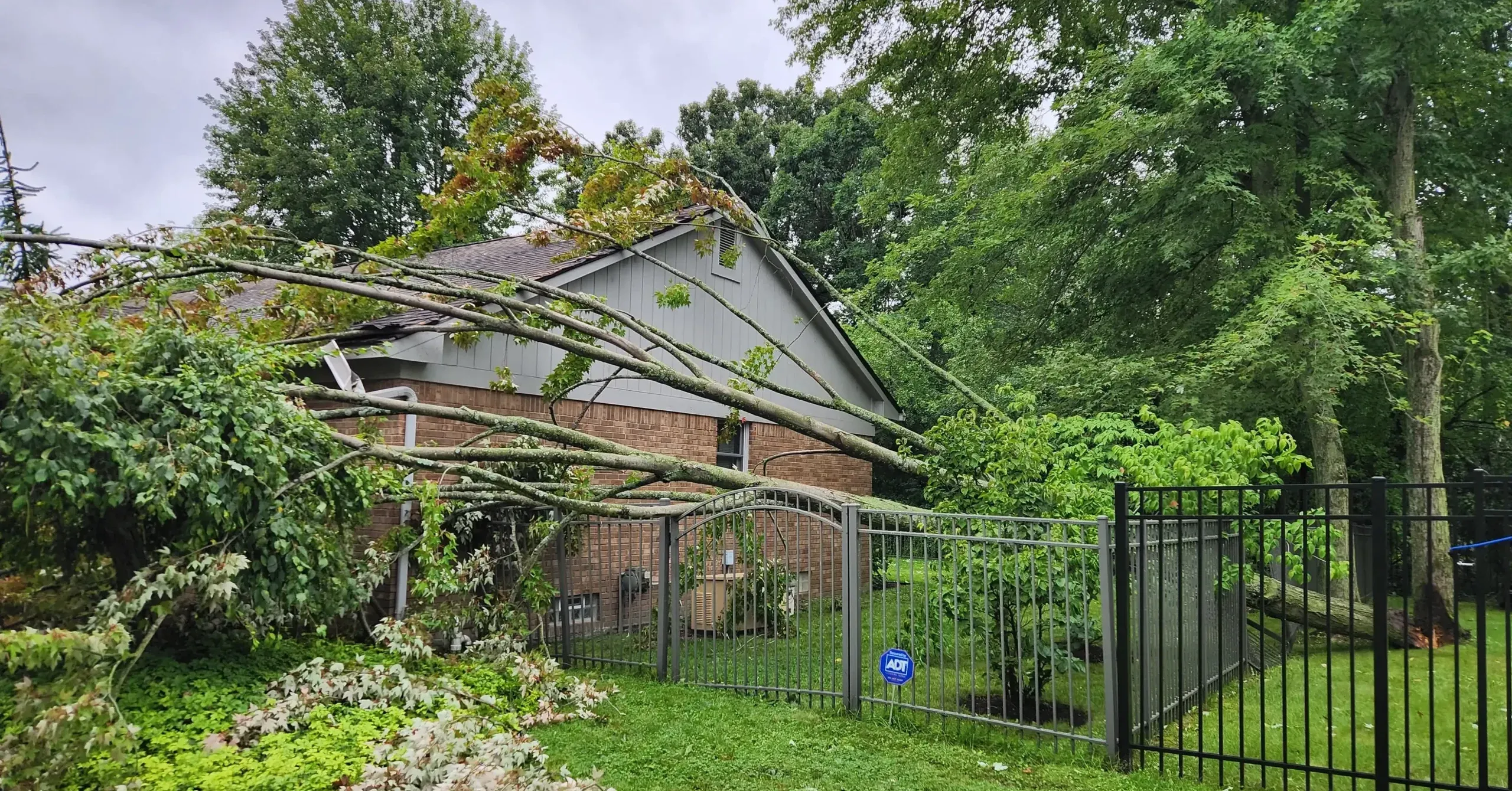
Michigan’s thunderstorms, early wet snow, and ice storms frequently break branches or uproot trees with shallow roots. Species like hybrid poplar and silver maple grow fast but have weaker wood, which makes them more vulnerable during storms.
Seasonal Growth Patterns in Michigan
Spring
Spring is the most active growth season. Soil warms, roots expand rapidly, and new leaves develop. This is the best time for fertilizing, watering adjustments, and planting new trees. Michigan’s rainy spring also gives young trees the moisture needed to establish quickly.
Summer
Trees continue growing through summer, but development slows when temperatures rise or rainfall drops. Deep watering becomes crucial, especially in Southfield and Farmington Hills where summers are slightly warmer than northern Michigan. Heat stress often causes leaf scorch in young maples and birches.
Fall
Trees prepare for winter by shifting energy to root growth. This is a key period for strengthening root systems in clay soils. Fall planting is ideal because temperatures cool while the soil stays warm, allowing roots to grow without heat stress.
Winter
Above-ground growth stops completely. Trees enter dormancy, conserving energy for the next spring. Roots may still grow slightly when the soil is not frozen. Winter is also the safest time to prune many species because pests and diseases are inactive.
Frequently Asked Questions About Tree Growth in Michigan
How long does it take for an oak tree to grow in Michigan?
Most oaks grow 1 to 2 feet per year and reach 20 to 30 feet in 15 to 25 years.
What are the fastest-growing trees in Southeast Michigan?
Silver maples, river birches, and hybrid poplars grow quickly and reach significant size within 10 to 15 years.
Do trees grow faster in Farmington Hills than in Southfield or Livonia?
Growth depends more on care and soil than on the city. Farmington Hills lots are larger, which allows slower species to thrive long-term.
How can homeowners speed up tree growth?
Soil preparation, deep watering, mulching, and early pruning all support faster and healthier growth.
When is the best time to plant trees in Michigan?
Spring and early fall allow roots to establish before extreme temperatures return.
How do winters affect tree growth?
Growth slows or stops during winter, but roots store energy and prepare for the next spring.
How much does it cost to plant and maintain a tree in Southeast Michigan?
Young tree planting often costs 100 to 300 dollars. Annual care such as fertilization or pruning typically ranges from 50 to 200 dollars per tree.
Growing Michigan’s Future, One Tree at a Time
Tree growth in Michigan takes patience, but the results are worth it. Fast growers such as silver maples and river birches can transform yards within a decade. Slower growers such as oaks and sugar maples provide shade, beauty, and structure for generations.
Homeowners in Livonia, Southfield, and Farmington Hills can see better results by preparing soil properly, watering consistently, pruning early, and choosing species suited to Michigan’s climate. Every tree planted today contributes to stronger communities, cleaner air, and higher long-term property value.
For expert planting guidance and long-term care in Southeast Michigan, contact Clean Cut Tree Experts. We provide complete tree services across Southeast Michigan, including Southfield, Livonia, Novi, Birmingham, and surrounding communities. Our team helps Michigan neighborhoods grow healthier and greener, one tree at a time.