March 22, 2026
Is that crack in your tree trunk a minor flaw or a major hazard? Identifying structural damage in your trees isn’t just about aesthetics; it’s about safeguarding your property, family, and investment. Weakened trees pose significant risks, from falling branches to complete collapse, especially during severe weather. Knowing the signs helps you act quickly, preventing costly damage and ensuring safety.
Key Takeaways
- Early warning signs like cracks, sudden leaning, decay, and dead branches signal serious safety risks.
- Southeast Michigan trees face higher structural stress due to local pests, diseases, and weather patterns.
- Minor issues can be monitored by homeowners, but major or complex damage requires an arborist.
- Ignoring structural problems increases the risk of property damage, injury, and costly emergency removal.
- Routine inspections and preventative care are the most effective ways to prevent structural tree failure.
What is Tree Structural Damage?
Tree structural damage refers to any defect or weakness within a tree’s physical structure, its roots, trunk, or branches that compromises its stability and increases the risk of failure. This damage can result from environmental factors, pests, diseases, or improper care, making the tree a potential hazard.
Common Signs of Tree Structural Damage
Spotting the early indicators of structural damage is your first line of defense. Knowing what to look for can help you decide when to call in the experts.
Cracks and Splits in the Trunk or Branches
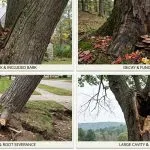
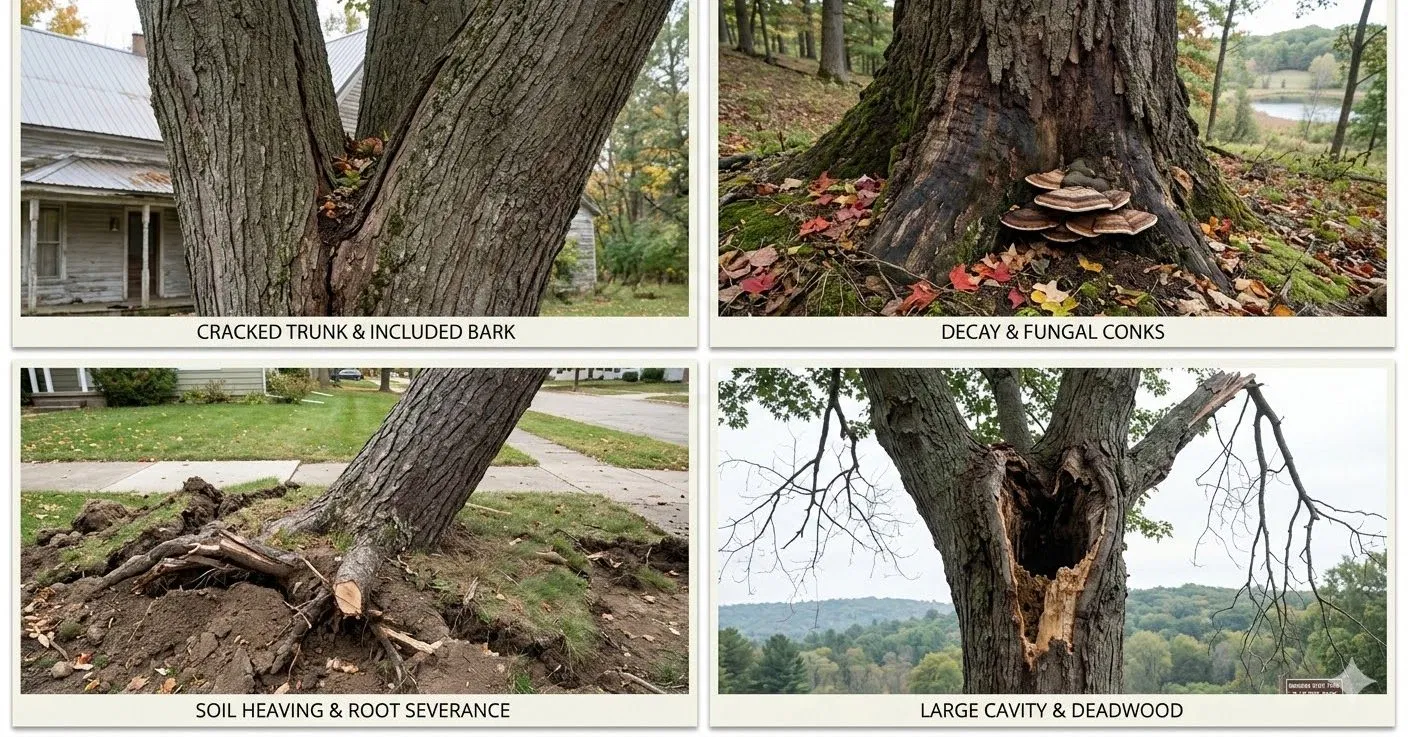
Visible cracks or splits in the trunk or major branches are clear red flags for potential structural weakness. Deep or extensive cracks, especially those extending into the heartwood, drastically increase a tree’s failure potential. Trees with multiple trunks or V-shaped branch unions are particularly vulnerable to these issues.
Sudden Leaning or Tilting
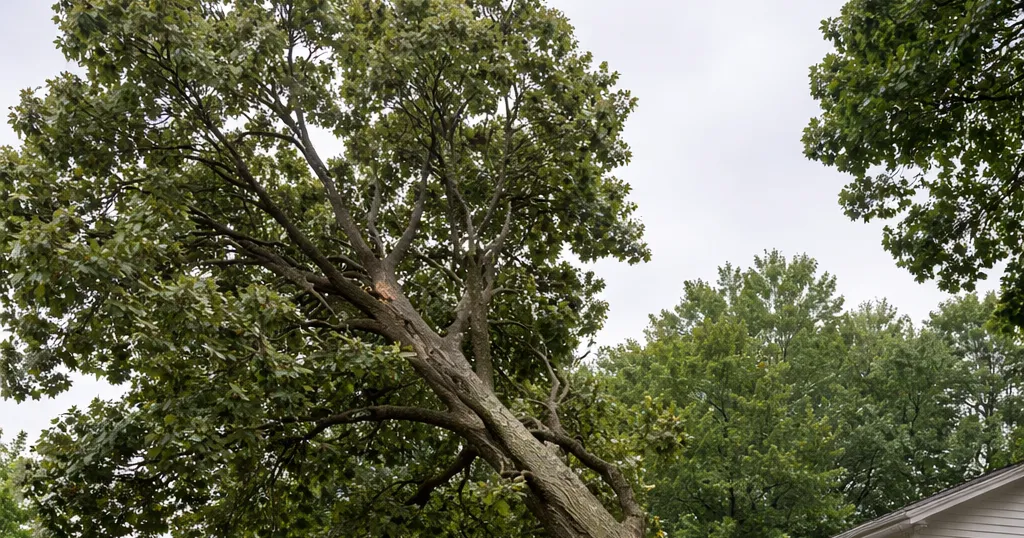
While some trees naturally grow with a slight lean, a sudden or significant change in your tree’s angle, particularly after heavy winds or rain, indicates weakened or damaged roots. This could also signal soil erosion or shifting ground, compromising the tree’s stability and making it prone to toppling.
Dead or Falling Branches (Crown Condition)
Dead branches are brittle and prone to breaking, posing a significant hazard, especially if they hang over homes, driveways, or play areas. Regularly inspecting and removing these branches is essential. A crown with more than 10% dead branches indicates a decline in health; over 50% signifies a severe decline, demanding immediate attention.
Decay and Hollows in the Trunk
A hollow or decaying trunk signals internal deterioration that severely compromises a tree’s strength. Look for soft, crumbly wood, visible cavities, or fungal growth at the base. A tree with less than 30-35% sound wood in its remaining wall requires immediate action to prevent likely failure.
Fungal Growth
The presence of fungi, such as mushrooms or bracket fungi, at the base of a tree or on its trunk often indicates root rot or advanced internal decay. These organisms feed on decaying wood, revealing a significant underlying problem that threatens the tree’s overall stability.
Root Problems and Soil Heaving
Damage to the root system, often unseen, severely impacts a tree’s stability. Indicators include abrupt tilting, visible root decay, exposed or broken roots, or soil heaving around the base. Girdling roots, which choke water and nutrient flow, also weaken a tree over time, making it susceptible to failure.
Pest Infestation
A high presence of wood-boring insects or other pests can weaken a tree from within, disrupting its vascular system. Visible holes, sawdust-like residue (frass), or peeling bark are common signs. For example, the Emerald Ash Borer (EAB) remains a primary threat in Southeast Michigan, killing ash trees by destroying their ability to transport water and nutrients.
Poor Foliage and Branch Health
Abnormally small, off-color, sparse, or yellowing leaves can signal root damage or other health concerns that impact structural integrity. Branch dieback, where branches or twigs die from the tips inward, is also a warning sign. Poor tree architecture, like an unbalanced crown, increases the risk of failure.
Local Factors Affecting Tree Health in Southeast Michigan
Trees in Southeast Michigan face unique challenges that can predispose them to structural damage. Understanding these local factors helps in proactive tree care.
Climate Change Impacts
Rising temperatures and changing precipitation patterns in Michigan stress native tree species, pushing them out of optimal growing regions. This leads to increased tree mortality, especially for younger trees sensitive to heat and drought. For instance, the maple-beech-birch forest type is projected to be largely displaced, favoring more resilient oak and hickory species. This environmental shift can weaken trees, making them more vulnerable to structural issues.
Severe Weather: Wind and Storms
Michigan’s climate experiences strong winds, ice storms, and heavy snowfalls that are significant contributors to tree failure. These events can cause:
- Branch Failure: High winds can snap weak or overloaded branches.
- Trunk Failure: Defects like cracks or existing cracks worsen under storm stress.
- Root Failure: Saturated soil combined with strong winds can lead to uprooting, especially for taller, thinner trees with high height-to-diameter ratios.
Common Tree Diseases
Southeast Michigan trees are susceptible to numerous diseases, primarily fungal infections thriving in cool, moist climates. These infections weaken wood and root systems, leading to structural instability:
- Oak Wilt: A rapid fungal disease that kills red oaks in weeks and white oaks in months, compromising their structure quickly.
- Anthracnose: Causes leaf spots, blotches, and premature leaf drop, weakening the tree’s overall health and resilience.
- Beech Leaf Disease (BLD): A relatively new nematode-spread disease causing dark striping on leaves and eventual tree death, particularly in younger beech trees.
Prevalent Tree Pests
Invasive and native insect pests pose significant threats to trees, weakening their internal structure and making them prone to breakage:
- Emerald Ash Borer (EAB): Discovered in Southeast Michigan in 2002, this beetle kills ash trees by destroying their ability to transport water and nutrients, leading to rapid structural decay.
- Spongy Moth (formerly Gypsy Moth): Caterpillars defoliate oak trees, stressing them and making them vulnerable to other issues.
- Hemlock Woolly Adelgid (HWA): An invasive, sap-feeding insect that attacks and weakens hemlock trees.
Assessing Severity: When to Call an Expert
Knowing when to call a professional can save you money, prevent property damage, and ensure safety. While basic visual checks are helpful, an expert assessment goes much deeper. Especially after severe weather events, homeowners should follow the Michigan DNR’s 2026 tree recovery guidelines to determine if a tree is a candidate for repair or requires immediate removal. Don’t hesitate to contact Clean Cut Tree Experts for a post-storm assessment.
DIY Inspection vs. Professional Assessment
A DIY inspection is a great first step, but it has limitations. Professional arborists offer a level of detail and safety that homeowners simply can’t match. Here’s a comparison:
| Feature | DIY Homeowner Inspection | Professional Arborist Assessment |
| Visibility | Surface cracks, dead branches, and visible leaning. | Internal decay detection, root instability analysis, and early disease identification. |
| Tools Used | Basic tools like binoculars or flashlights. | Resistographs, sonic tomography, soil probes, and professional climbing gear. |
| Expertise | General observation and homeowner judgment. | Training in tree biology, pathology, structural biomechanics, and risk assessment. |
| Safety | High risk of injury from climbing or falling limbs. | Professional safety protocols, climbing systems, and protective equipment. |
| Recommendations | Basic guesswork or simple pruning. | Precise treatment plans, structural support recommendations, and long-term tree health strategies. |
Understanding Tree Risk Levels
Not all damage is equally urgent. Understanding the risk levels helps prioritize action:
- Low Risk: Minor deadwood (less than 10% of the crown), small surface cracks, or slight historical lean. Monitor these regularly.
- Moderate Risk: 10-50% dead branches in the crown, noticeable decay in non-critical areas, or moderate leaning after a storm. A professional assessment is recommended soon.
- High Risk: Over 50% dead branches, deep or spreading cracks in the trunk, significant decay or hollows (less than 30-35% sound wood), sudden severe lean, or visible root heaving. These situations demand immediate professional intervention to prevent failure. Property value losses from wind-related tree failure alone can exceed $10,000,000 annually in some regions.
The Cost of Ignoring Tree Damage
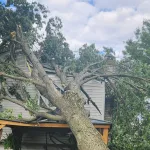
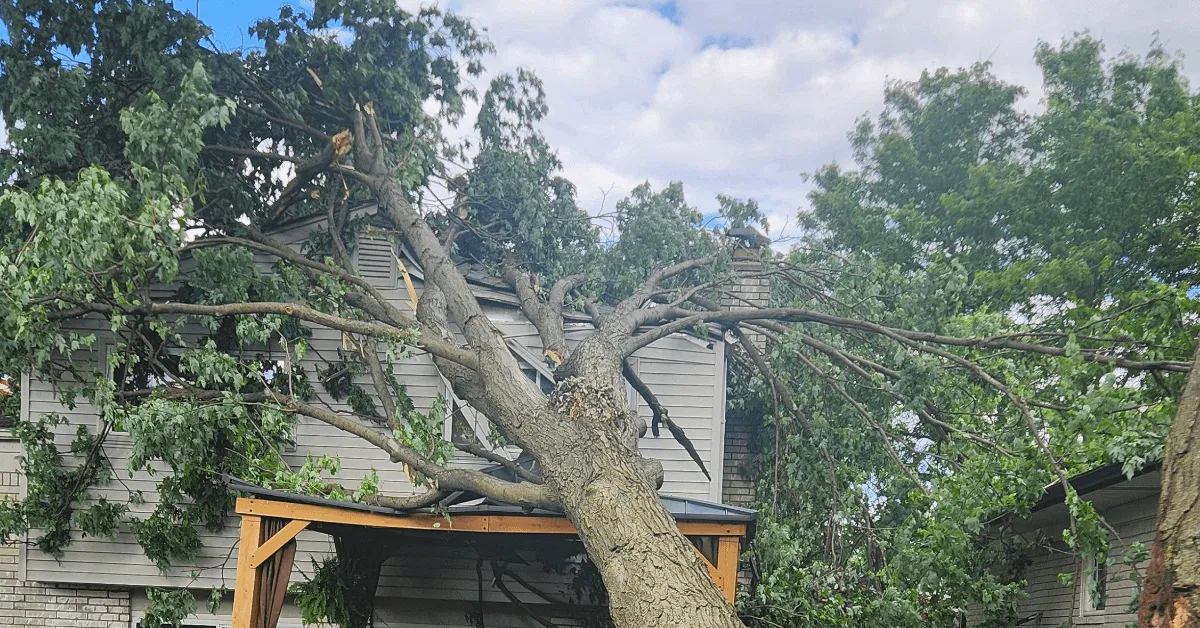
Ignoring structural damage in a tree doesn’t make the problem disappear; it only allows it to worsen, often with severe and costly consequences. The statistics underscore the significant risks: wind-related tree failures account for numerous injuries, fatalities, and substantial property damage annually across the U.S. Delaying action can turn a manageable issue into an emergency.
- Property Damage: A falling limb or an entire tree can cause extensive damage to your home, garage, vehicles, fences, and landscaping. Repair costs can quickly escalate into thousands of dollars.
- Personal Injury: Falling trees or branches can be extremely hazardous, potentially causing severe injuries or even fatalities. This is a risk no homeowner should take.
- Increased Removal Costs: A tree that has failed or is dangerously unstable is far more challenging and expensive to remove. Emergency services, especially after a storm, carry premium rates.
- Insurance Complications: While insurance often covers storm-related tree damage, neglecting a known structural issue might complicate claims or even lead to denial if negligence is proven.
- Loss of Tree Value: A tree that could have been saved with timely intervention may become unsalvageable, resulting in the loss of its aesthetic and property value contributions.
Preventative Measures and Ongoing Care
Proactive care is the best way to maintain tree health and prevent structural problems. Regular maintenance not only keeps your trees beautiful but also structurally sound.
Routine Visual Inspections
Regularly inspect your trees for any changes. Look for new cracks, excessive deadwood, or unusual fungal growth. After a storm, conduct a thorough visual check. Early detection of issues can lead to less invasive and less costly interventions.
Strategic Pruning
Proper pruning by a Professional arborist removes dead, diseased, or weak branches, improving the tree’s overall structure and reducing the risk of failure. Avoid ‘tree topping’ as it severely damages a tree and promotes weak growth. Pruning also helps maintain a balanced crown, critical for wind resistance.
Maintaining Tree Health
Healthy trees are more resilient to stress, pests, and diseases. Ensure your trees receive adequate water, especially during dry spells. Consider soil amendments or fertilization if recommended by an arborist to promote robust root growth and overall vigor. A healthy tree can recover from up to 25% bark damage if the remaining bark is intact.
Protecting Trees from Construction Damage
Construction activities often damage tree roots, leading to long-term decline and structural weakness. Be mindful of excavation, soil compaction, and changes in grade around your trees. Studies show that construction-damaged trees have a higher mortality rate and significant condition decline years later.
Farmington Hills Tree Removal Permits
Farmington Hills, like many municipalities, has specific regulations regarding tree removal, especially for trees on private property or within designated easements. Before undertaking any tree removal, especially for trees six (6) inches or more DBH, you must obtain a permit from the City of Farmington Hills Planning Office as required by local zoning ordinances. Ignoring these regulations can result in fines or penalties. Clean Cut Tree Experts can assist homeowners in understanding local ordinances and navigating the permit application process to ensure compliance.
Why Choose Clean Cut Tree Experts for Structural Damage Assessment and Repair
When it comes to the safety and health of your trees, you need a team you can trust. Clean Cut Tree Experts stands as Southeast Michigan’s premier service provider, offering comprehensive solutions for trees with structural damage. We’re not just tree removers; we’re tree preservers, committed to the long-term health of your landscape.
- Expert Assessment: Our licensed and insured arborists possess the knowledge to accurately diagnose complex structural issues, identifying hidden dangers that an untrained eye might miss.
- Comprehensive Services: Whether your tree needs delicate pruning to remove hazardous limbs, advanced cabling and bracing, or safe removal of an irreparably damaged tree, we handle it all.
- Local Expertise: We understand the specific challenges trees face in Southeast Michigan, from prevalent diseases like Oak Wilt to the impacts of severe local storms.
- Customer-Focused Approach: We offer transparent pricing, formal agreements, and no upfront payment on insurance claims, alleviating common customer pain points. We’ve earned the Angie’s List Super Service Award for seven consecutive years for our dedication to customer satisfaction.
- Safety First: Tree work, especially with structurally compromised trees, is inherently dangerous. Our team adheres to the highest safety standards, protecting your property and our crew. The Tree Care Industry Association reports a fatal accident rate for arborists roughly 10 times the average for all industries, highlighting the importance of professional expertise.
- Emergency Response: We provide 24/7 emergency services for storm-damaged or critically unstable trees, ensuring prompt and safe resolution when you need it most. You can always reach out to Clean Cut Tree Experts for urgent situations.
Frequently Asked Questions
What does it mean if my tree is leaning?
A leaning tree, especially one that has shifted suddenly, often indicates root damage, soil erosion, or weakened anchoring. While some trees naturally lean, a rapid change or excessive lean after a storm signals a significant stability risk that demands immediate professional assessment to prevent collapse.
How much does it cost to fix or remove a structurally damaged tree?
The cost of addressing tree structural damage varies widely based on the tree’s size, damage severity, location, and required service. For minor pruning to address structural issues, costs typically range from $300 to $1,500.
Does homeowners’ insurance cover tree structural damage or removal?
Yes, many homeowners’ insurance policies cover tree removal if a tree falls due to a covered peril (like wind or lightning) and damages insured property. Policies usually do not cover removal for preventative measures or if the tree was unhealthy before the event. Always check your specific policy details.
Can I fix tree structural damage myself?
While minor dead branches can be pruned by an experienced homeowner, significant structural damage, large dead branches, or signs of internal decay require a Professional arborist. Professionals have the training, equipment, and insurance to safely assess and address complex tree issues, minimizing risk to property and people.
What are the best ways to prevent structural tree damage?
The best way to prevent structural damage is through regular professional tree inspections, proper pruning from a young age, and good tree health practices. Ensuring adequate watering, managing pests and diseases, and avoiding construction-related root damage also contribute significantly to a tree’s long-term stability.
How often should I inspect my trees for structural damage?
You should inspect your trees at least once a year, preferably in late winter or early spring when leaves are off, making structural issues more visible. After any major storm, a quick inspection is also crucial. For older or high-value trees, consider biannual professional assessments.
Protecting Your Property Starts With Early Tree Assessment
Identifying structural damage in your trees early protects your property, family, and investment. While some signs are obvious, many crucial issues hide beneath the surface. Don’t let a small problem become a costly disaster. If you suspect any structural issues with your trees in Southeast Michigan, reach out to Clean Cut Tree Experts today. Our Professional arborists provide thorough assessments and reliable solutions, ensuring your trees are safe and healthy. Contact us for a professional evaluation and peace of mind.