Smart Tree Preparation Strategies for Michigan’s Unpredictable Storms
November 5, 2025
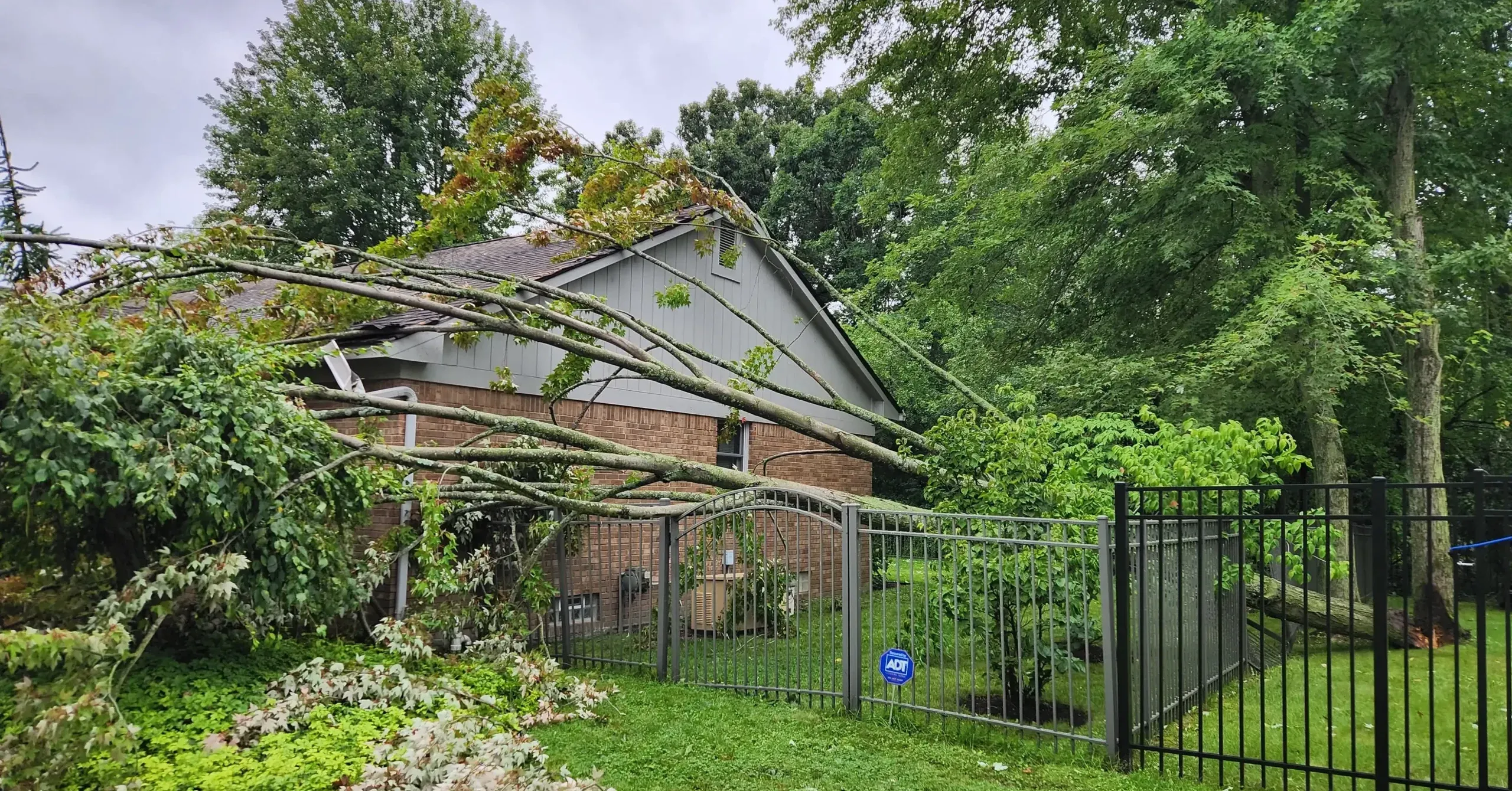
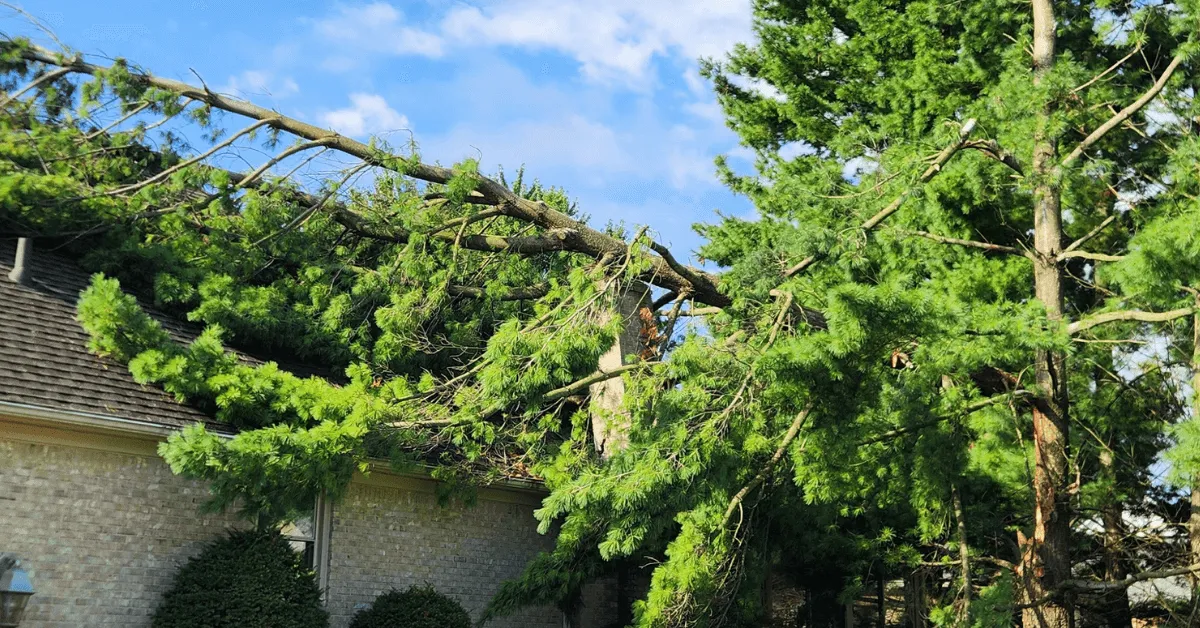
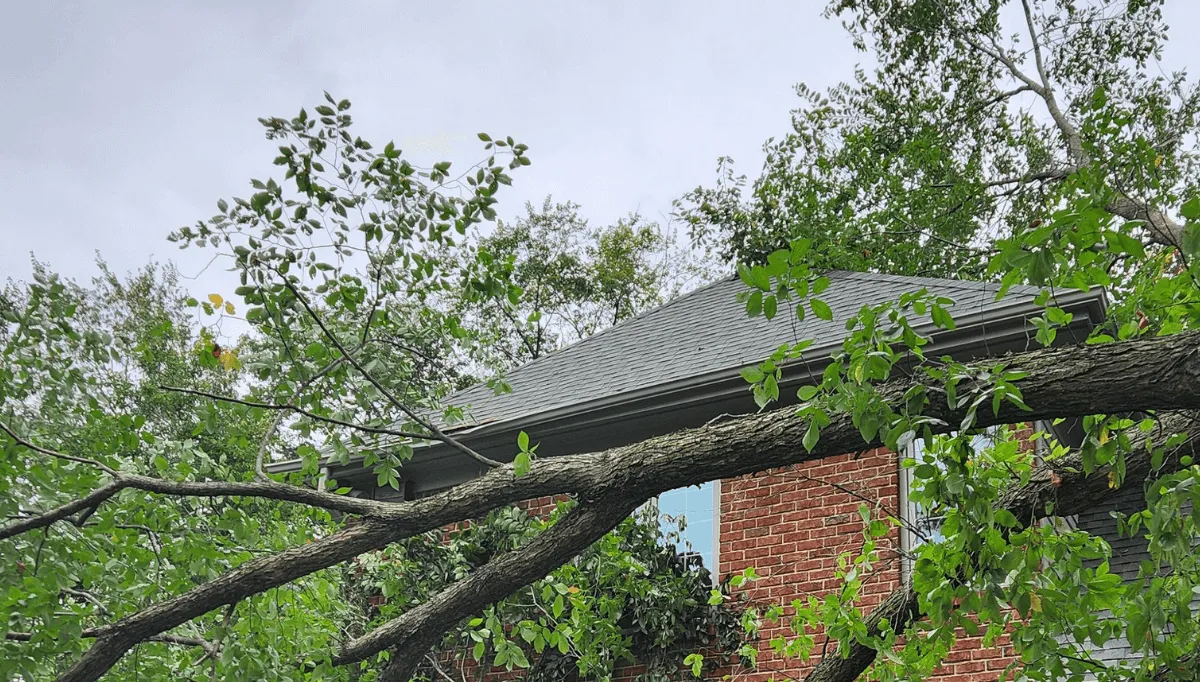
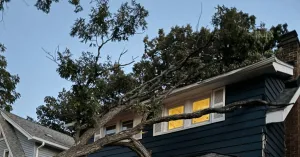
Storms in Michigan can escalate quickly, and falling branches or trees often lead to property damage, power outages, and safety hazards. Healthy, well-maintained trees are far less likely to fail during storms, while neglected or weakened trees are typically the first to cause problems.
This guide covers practical steps to prepare your trees before severe weather hits. It focuses on Michigan conditions and applies to homeowners in Farmington Hills, Birmingham, Bloomfield Hills, Franklin, Novi, Royal Oak, Southfield, West Bloomfield, Detroit, Livonia, Northville and Plymouth. Proper preparation can help prevent costly damage and keep your landscape safe year-round.
Preparing Trees for Michigan’s Harsh Storms
Michigan faces a wide range of severe weather threats that directly affect trees:
- Thunderstorms and high winds: Strong gusts can snap limbs, especially if a tree is unbalanced or weakened by disease.
- Heavy snow and ice: The weight bends branches and can cause them to break.
- Tornadoes: While less common, tornadoes uproot weak trees and scatter debris.
- Flooding and saturated soil: Prolonged rain weakens root systems, making trees unstable.
Preparing trees for these events not only protects your property but also helps preserve the tree canopy in communities like Royal Oak, Southfield, and Detroit. A thriving canopy provides cleaner air, wildlife habitat, and erosion control.
Step 1: Assess the Health of Your Trees
Start with a careful inspection. Many risks are easy to miss if you are not trained, but some clear warning signs include:
- Cracks or splits in the trunk
- Dead or decaying branches
- Branches hanging directly over roofs, driveways, or power lines
- Trees leaning more than 15 degrees from vertical
- Mushrooms or fungal growth near the base, which may signal root rot
- Bark peeling or falling away in large sections
- Sparse leaf coverage compared to similar trees nearby
If you are unsure, call a professional. Arborists serving Livonia, Northville, and Plymouth know local tree species like maples, oaks, pines, and birches. They can detect structural weaknesses that a homeowner might overlook.
Step 2: Prune and Trim Safely
Pruning is one of the most effective ways to prepare trees for storms. It strengthens the tree structure and reduces hazards.
Do this:
- Remove dead or diseased branches
- Cut crossing or rubbing limbs
- Lightly thin the canopy so wind can pass through more easily
Avoid this:
- Removing more than 25 percent of the canopy at one time
- Attempting large cuts near power lines or rooftops
Homeowners in West Bloomfield, Bloomfield Hills, and Franklin often rely on professional pruning services. Qualified arborists have the equipment and training to prune safely, especially for larger or older trees.
Step 3: Strengthen Young and Newly Planted Trees
Young trees are more vulnerable during storms because their roots are still developing. In neighborhoods like Novi and Farmington Hills, where new plantings are common, extra protection is important.
- Stake properly: Use loose stakes for the first year to support the tree but allow some natural movement. Remove after 12 months.
- Apply mulch: Add a 2 to 4 inch layer around the base (not touching the trunk) to conserve moisture and protect roots.
- Water regularly: Deep watering during dry spells keeps young trees flexible and less prone to breakage.
Investing in early care ensures that young trees become strong, storm-resistant features of your landscape.
Step 4: Cabling and Bracing Mature Trees
Sometimes, large or valuable trees in communities like Birmingham or Royal Oak need added reinforcement. Cabling and bracing are advanced methods used by arborists:
- Cabling: Steel cables provide flexible support between branches, reducing strain during strong winds.
- Bracing: Rigid rods stabilize weak or splitting trunks.
- Best use cases: Large oaks, maples, and other shade trees with heavy limbs or V-shaped branch unions.
These techniques should only be performed by professionals. When installed correctly, they extend the life of mature trees and reduce storm risk.
Step 5: Protect Root Systems
Strong roots are essential for storm resistance. Damage to the root system makes a tree far more likely to fall during heavy winds. Protect roots by:
- Avoiding heavy vehicles or equipment near the base
- Preventing soil compaction in lawns and driveways
- Keeping construction projects away from root zones
- Using mulch to improve soil structure and conserve water
Soil type matters. In Southfield and Detroit, clay-heavy soils retain water, making roots prone to rot. In areas like Northville and Plymouth, sandy soils may drain too quickly, stressing trees. Understanding local soil conditions allows you to protect roots more effectively.
Step 6: Plan Tree Placement Strategically
If you are adding new trees to your yard in Northville, Plymouth, or Franklin, planting them in the right place makes all the difference. Poor placement leads to long-term risks.
Best practices:
- Plant large trees at least 20 feet away from homes and garages
- Keep small ornamentals at least 10 feet from structures
- Avoid planting directly under power lines
- Choose native species such as red maple, serviceberry, or white pine, which are adapted to Michigan’s climate
Planting wisely now prevents costly removals later.
Step 7: Regular Maintenance Year-Round
Tree care should not be limited to storm season. Homeowners in West Bloomfield, Livonia, and Farmington Hills benefit from seasonal maintenance routines.
- Spring: Inspect for winter damage, prune lightly, and fertilize if needed.
- Summer: Watch for pests, water deeply during droughts, and monitor for leaf disease.
- Fall: Clean up leaves, prune weak branches, and refresh mulch.
- Winter: Remove snow gently from small branches. Do not knock off ice, which can cause more damage.
A year-round plan saves money and keeps your trees healthier and more resistant to Michigan’s unpredictable storms.
Step 8: Know When Removal Is Necessary
Sometimes, removal is the safest option, especially in older neighborhoods like Birmingham, Bloomfield Hills, or Royal Oak, where large, aging shade trees are common.
Removal may be necessary if a tree is:
- More than 50 percent hollow or decayed
- Severely cracked or splitting
- Losing multiple large limbs
- Significantly leaning toward a home or driveway
- Suffering from advanced root damage
Work with a qualified arborist to confirm removal. Professional removal ensures safety and compliance with local rules.
Insurance and Emergency Preparedness
Even with the best preparation, storms can still cause unexpected damage. Homeowners in Detroit, Novi, or Livonia should review insurance policies before severe weather hits.
- Most policies cover damage to homes, garages, and fences.
- Tree removal may only be covered if a structure is damaged.
- Neglect, such as leaving a visibly dead tree standing, often voids coverage.
For added protection, document the condition of your trees with photos. Keep emergency tree service contacts nearby so you are ready when storms strike.
FAQs About Storm Prep for Trees in Michigan
How do I know if my tree is a storm risk?
Check for cracks, dead branches, leaning trunks, or mushrooms near the base. A qualified arborist in Farmington Hills or Birmingham can provide a professional inspection.
When is the best time to prune trees in Michigan?
Late winter or early spring, before new growth begins. Dangerous limbs should be removed right away, regardless of the season.
Should I cut all branches hanging over my roof?
Not always. Healthy branches may be safe. An arborist in West Bloomfield or Novi can identify which ones are risky.
Can I protect my trees from ice damage?
You cannot stop ice from forming, but pruning weak branches, applying mulch, and avoiding salt near roots reduces the risk of breakage.
How much does professional tree care cost in Michigan?
Basic tree inspections typically start at around $100. Pruning or removal services in areas like Royal Oak, Livonia and Northville can range from a few hundred dollars to several thousand, depending on the tree’s size, location and overall complexity of the job.
What should I do if a tree falls during a storm?
Stay away, especially if power lines are involved. Call your utility company and a professional tree service in Detroit, Plymouth, or Franklin. Never attempt large removals on your own.
Should I fertilize my trees before storm season?
A light, balanced fertilizer can strengthen trees, but over-fertilization may weaken growth. An arborist can recommend the right approach for your soil.
Which trees are most storm-resistant in Michigan?
Native species like serviceberry, white pine, and red maple often withstand storms better than non-native trees because they are adapted to local conditions.
Final Thoughts
Storm preparation goes far beyond securing outdoor furniture or shutting windows. Michigan’s unpredictable weather demands proactive attention to the trees that frame and protect your home. By pruning, safeguarding, and maintaining landscape trees, homeowners not only protect their own property but also strengthen storm-resilient neighborhoods across the region.
Take these steps now:
- Walk your property and inspect trees for signs of damage or risk.
- Schedule professional pruning or a storm-readiness assessment with a qualified arborist.
- Build a year-round tree health and maintenance plan.
Communities that invest in proactive tree care face fewer emergencies, recover faster, and maintain stronger property values. Tree-related storm damage is often preventable: with action today, you gain peace of mind through every Michigan season.
For trusted tree service, rely on Clean Cut Tree Experts. Serving Farmington Hills, Birmingham, Bloomfield Hills, Franklin, Novi, Royal Oak, Southfield, West Bloomfield, Detroit, Livonia, Northville, and Plymouth, our team keeps Michigan’s trees and communities safe, healthy, and storm-ready all year long.