
The Value of Healthy Trees For Southfield Homes
November 5, 2025
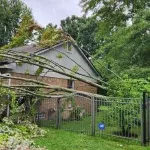
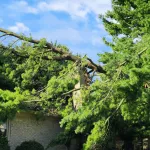
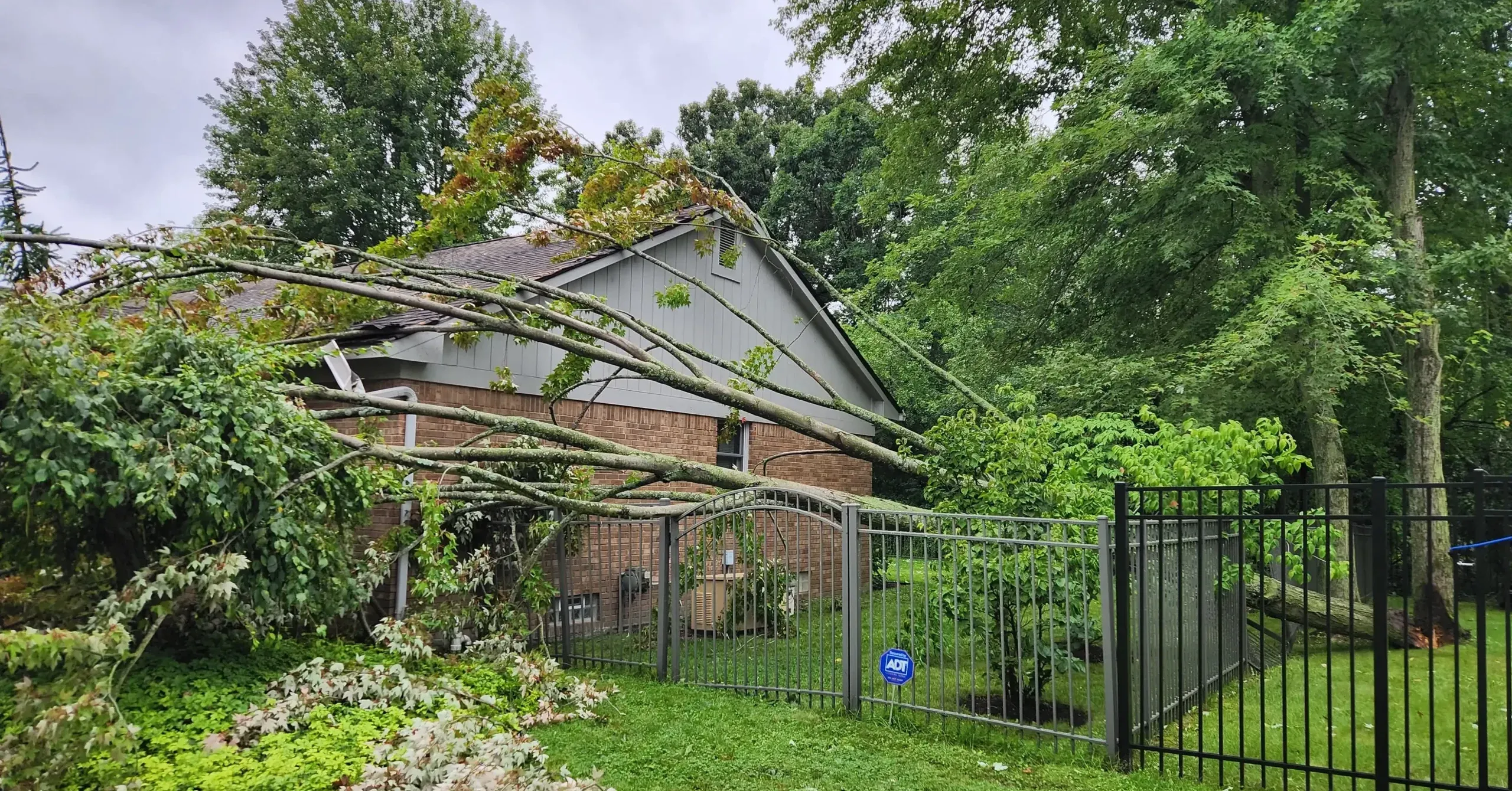
Healthy trees do more than improve curb appeal. They provide shade, lower energy bills, filter the air, and increase property value. However, when trees are neglected, they can develop weak limbs, attract pests, or become hazardous during storms. In Southfield’s climate, regular maintenance is essential for both safety and appearance. Proper tree care also helps reduce long-term emergency costs by preventing storm damage and keeping trees structurally sound.
Key Tree Maintenance Tasks & Timing
Here are the major tasks, when to do them, and how:
| Task | Best Time of Year in Southfield | What It Involves | Signs It’s Needed |
|---|---|---|---|
| Pruning / Structural Trimming | Late winter to early spring (before leaf-out) | Remove dead or weak branches, clean up crossing limbs, shape young trees for strong structure, and thin the canopy for light and air. | Branches rubbing, canopy crowding, limbs near wires or the roof, broken or hanging limbs. |
| Tree Health Assessment & Pest / Disease Monitoring | Spring through early fall | Check for pests (e.g., bark beetles, borers), fungal infections, leaf spot, and overall vigor. Monitor soil moisture and drought stress. | Discolored or spotted leaves, wilting, stunted growth, bark damage, and insect activity. |
| Mulching & Soil Care | Spring & fall | Apply 2–4 inches of mulch around the base (not touching trunk). Maintain drainage, avoid compaction, and test soil nutrients. | Exposed roots, deteriorated mulch, pooling water, and yellowing leaves. |
| Watering / Drought Care | Late spring through summer | Deep watering during dry spells using soaker hoses or drip systems. Keep soil moist but not soggy. | Wilting, brown leaf tips, early leaf drop, poor bud development. |
| Fertilization | Late winter to early spring or fall | Apply slow-release fertilizer if soil tests show a deficiency. Avoid over-fertilizing young or stressed trees. | Sparse foliage, pale leaves, slow growth, and nutrient deficiency signs. |
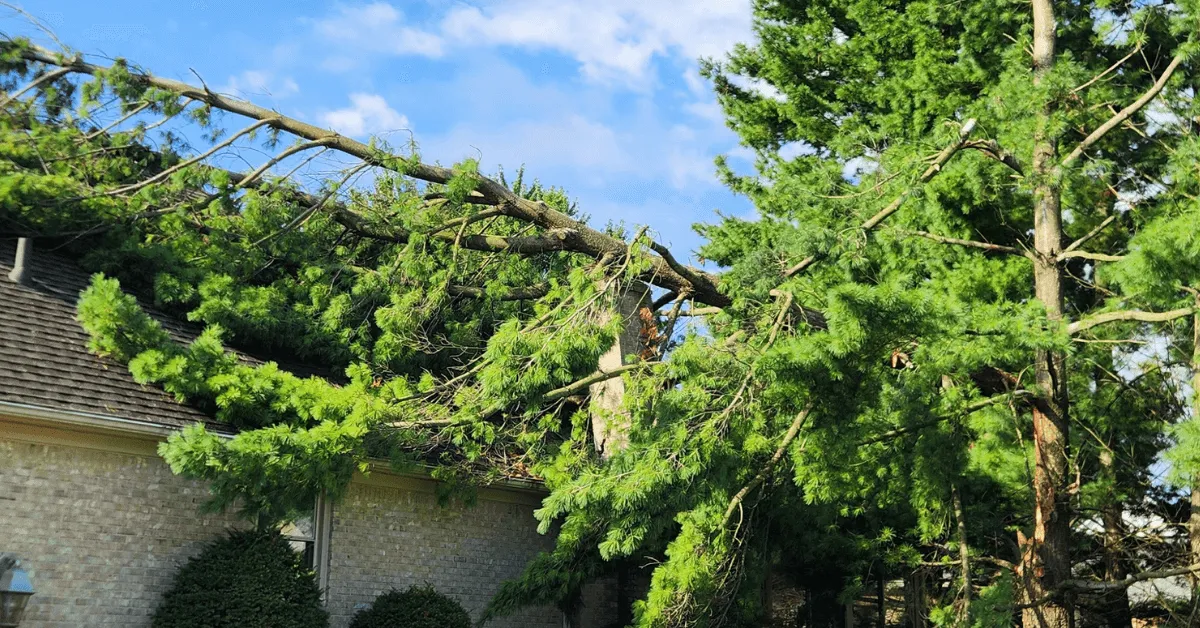
| Storm Damage Cleanup & Hazard Mitigation | After spring storms or winter ice | Remove broken or hanging branches, inspect for root damage or leaning trees, and handle large hazards safely. | Cracked trunks, leaning trees, broken limbs, uprooting. |
| Planting / Replacement | Early spring or fall | Select species suited to the local soil and light. Plant properly, stake if needed, and water regularly. | Dead or declining trees, gaps in the yard, and replacing invasive species. |
Essential Tree Maintenance Practices
Proper Pruning
Pruning removes weak, dead, or diseased branches and encourages strong structure. Cuts should follow ANSI A300 pruning standards to ensure long-term health. Larger pruning projects should always be handled by Qualified Arborists. Structural pruning for young trees helps guide future growth, while mature trees often need corrective or thinning cuts to maintain balance and safety.
Watering
Young trees require consistent watering for the first two to three years. Established trees benefit from occasional deep watering during droughts. Always water at the root zone, not directly against the trunk. Use a soaker hose or slow-drip irrigation for best results. For mature trees, one inch of water per week during dry conditions is a reliable guideline.
Fertilization
Southfield’s heavy clay soils often lack nutrients. A slow-release fertilizer applied in spring or fall supports healthy foliage and root development. Soil testing can confirm specific nutrient needs. Fertilizers rich in nitrogen, phosphorus, and potassium encourage both foliage growth and root strength. Avoid over-fertilizing, which can burn roots or stress the tree.
Mulching
Spread mulch in a 2–4 inch layer around the base of trees, keeping it away from the trunk. Mulch conserves water, moderates soil temperature, and reduces weed competition. Avoid piling mulch high against bark, also known as “volcano mulching.” Organic mulch, like shredded bark or wood chips, breaks down over time and improves soil quality. Refresh mulch annually to maintain effectiveness.
Pest and Disease Control
Watch for common Michigan tree threats like emerald ash borer, Dutch elm disease, and oak wilt. Early detection and treatment are crucial. Regular inspections by a qualified arborist can prevent severe damage. Signs of trouble include thinning canopies, unusual leaf discoloration, sawdust around the base (borer activity), or fungal growths. Integrated pest management techniques combine monitoring, selective treatments, and preventive care.
Local Rules and Resources
- City Trees: If a tree is in the right-of-way (about 30 feet from the road centerline), it is considered a city tree. Southfield’s Forestry Department maintains those, including trimming.
- To request trimming of a city tree, call the Forestry Department
- For private trees, you are responsible. Make sure contractors are licensed, insured, and ideally qualified.
What Most Homeowners Get Wrong
Even with good intentions, many homeowners unknowingly harm their trees and shrubs by making common mistakes such as:
- Overwatering right after underwatering: Trees need deep, infrequent watering, not frequent light watering that keeps roots shallow.
- Pruning at the wrong time of year: Pruning in late summer or early fall can leave trees vulnerable to pests, disease and winter damage.
- Leaving support stakes on too long: Stakes should only be temporary. If left for more than a year, they can restrict trunk growth and cause long-term damage.
- Ignoring soil compaction: Heavy foot traffic, driveways or patios can compact soil, reducing oxygen and water flow to roots.
- DIY pruning near power lines: This is dangerous and should only be done by professionals trained to work around utilities.
When to Call a Professional
While many maintenance tasks are safe for homeowners, certain situations require expert help:
- Large tree pruning or removal
- Trees near power lines or structures
- Signs of advanced disease or decay
- Emergency storm damage cleanup
- Root system concerns or soil stability issues
Clean Cut Tree Experts offers licensed and insured tree services in Southfield, ensuring your trees remain safe and healthy year-round. Professional crews follow ANSI Z133 safety standards and bring specialized equipment for complex jobs.
Tree Maintenance Tips for Southfield Homeowners
Whether you’re maintaining mature trees or helping young ones establish strong roots, the following tips can help protect your landscape and prevent costly damage:
- Storm preparation: Trim weak or overhanging branches before severe weather to reduce the risk of breakage and property damage.
- Young tree care: Stake newly planted trees only when necessary, and remove the stakes once the roots are well established to avoid trunk injury.
- Soil aeration: Southfield’s compacted clay soils can restrict root growth. Aerating the soil improves airflow and water penetration around the roots.
- Tree wrapping: In winter, wrapping trunks helps prevent sunscald, frost cracks, and damage from animals like deer and rabbits.
- Cabling and bracing: For older trees with weak branch unions, structural supports can stabilize the canopy and help preserve valuable trees instead of removing them.
Frequently Asked Questions
How often should I prune my trees in Southfield?
Most trees benefit from pruning every three to five years, though young or fast-growing trees may need attention sooner. Hazardous or damaged limbs should be addressed immediately.
Is mulching necessary for mature trees?
Yes. Mulching helps conserve moisture, regulate soil temperature, and protect root systems, even for mature trees. It also protects roots from mower and trimmer damage.
How can I tell if my tree is diseased?
Look for symptoms such as discolored leaves, dead branches, oozing sap, unusual growths, or visible pests. An arborist can provide a definitive diagnosis and recommend treatments.
Should I water my trees in winter?
If the ground is not frozen and conditions are dry, occasional watering can help evergreens and young trees stay hydrated. This prevents winter desiccation and needle browning.
Do all tree species in Southfield need fertilizer?
Not all, but many benefit from nutrient boosts due to the clay-heavy soil. A soil test can determine specific needs. Ornamental and fruit trees often require more regular feeding.
What is the best time of year for major pruning?
Late winter to early spring, before bud break, is often ideal. Trees are dormant, which reduces stress and allows wounds to heal quickly once growth resumes.
Can professional maintenance extend tree lifespan?
Yes. Regular inspections, proper pruning, and pest control significantly extend tree health and reduce risks, often saving homeowners the cost of premature removal.
Call Clean Cut Tree Experts for Tree Care in Southfield
Regular tree maintenance is key to protecting your home and landscape investment. Clean Cut Tree Experts provides professional pruning, fertilization, pest control, and storm cleanup tailored to Southfield’s unique environment. Our team can also provide arborist reports for construction projects and offer guidance on city tree regulations.
Call (734) 290-3370 today for a free consultation and keep your trees thriving in every season.