February 13, 2026
When a tree falls across property lines, it can turn a calm neighborhood into a stressful situation.
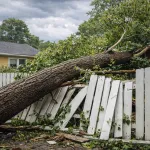
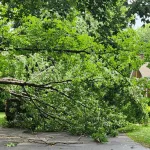
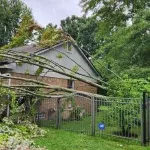
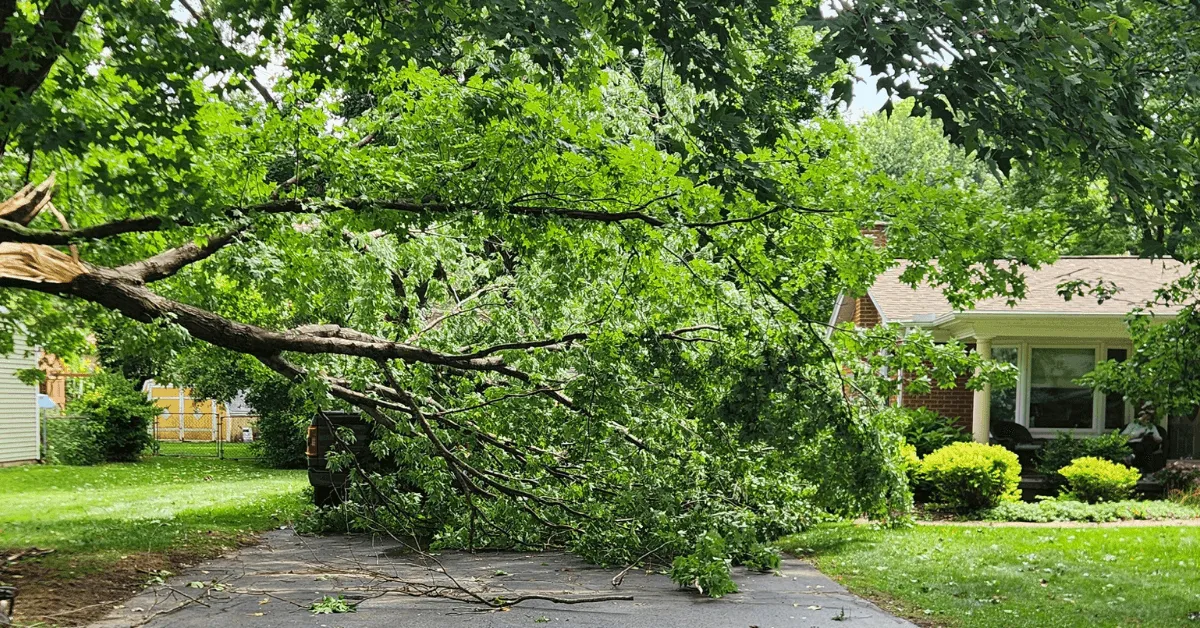
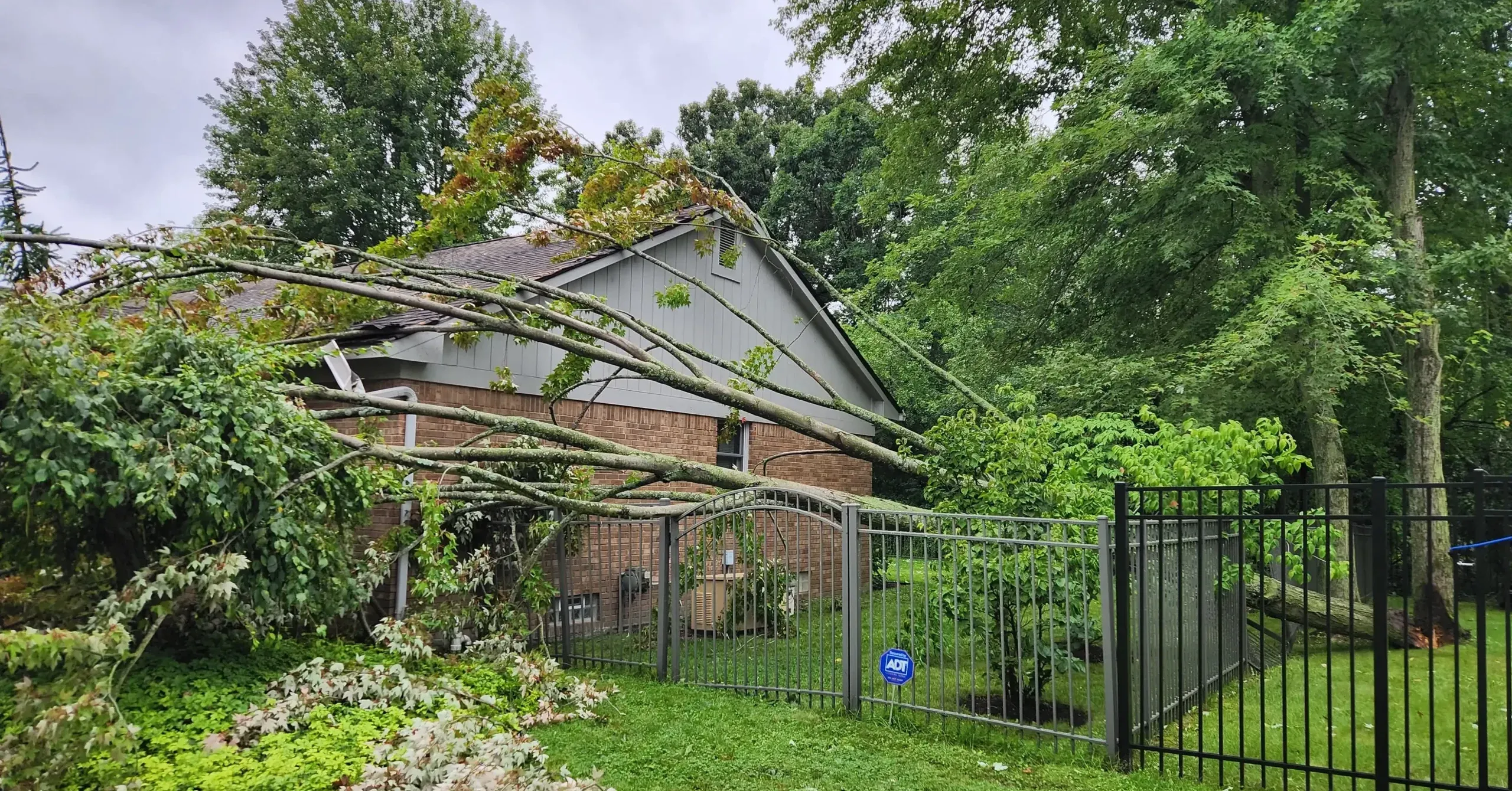
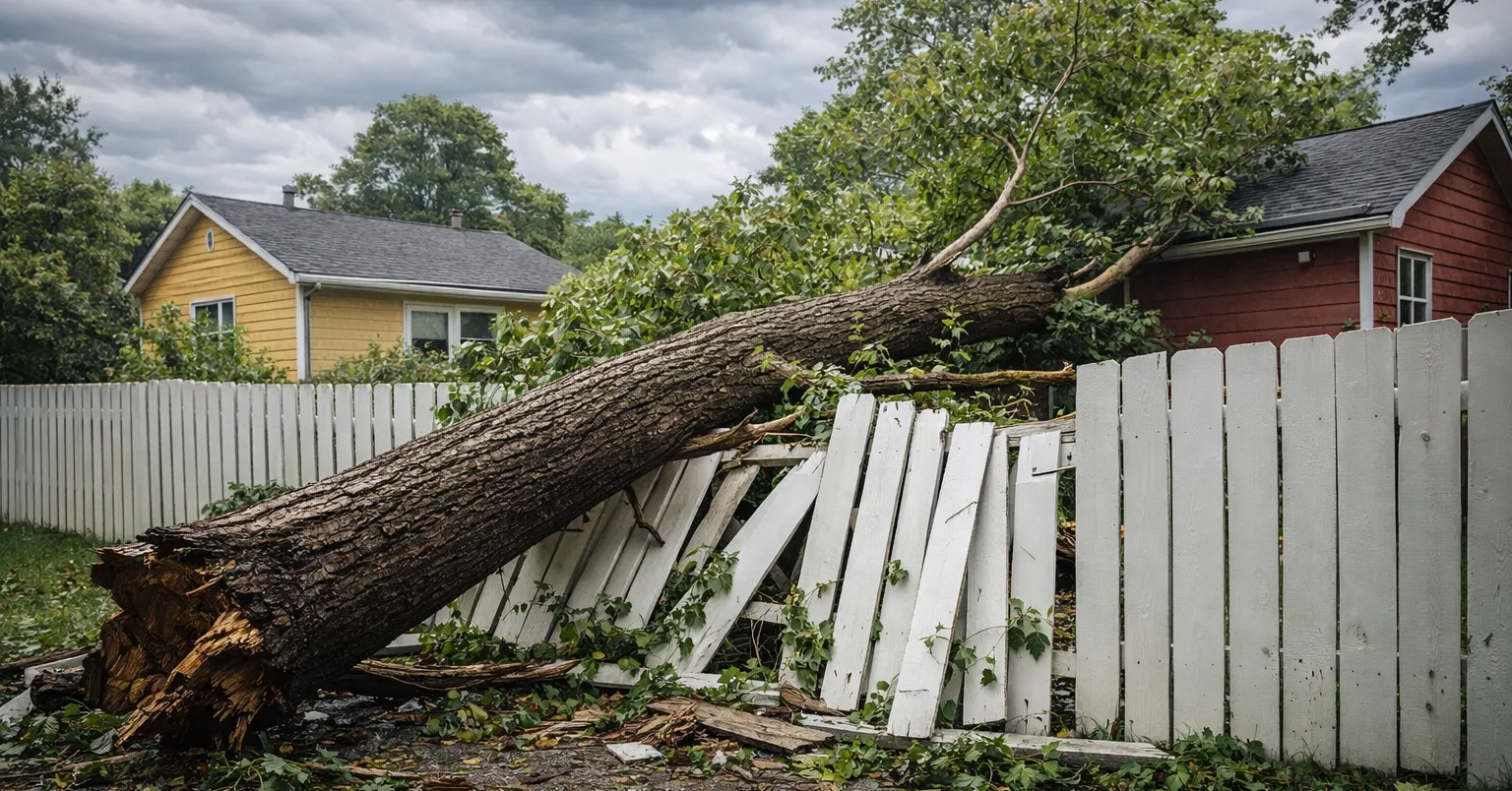
One day everything looks fine, and the next you are staring at a broken fence, a crushed shed, or a tree stretched across your driveway.
The first question most people ask is simple: Who pays for the damage?
Michigan has clear legal principles that decide who is responsible when trees fall. The answer depends on how and why the tree came down. This article explains what Michigan law says, what insurance covers, and what homeowners can do to protect themselves.
1. Understanding Michigan Tree Liability
Michigan law follows the rule of fairness. If a tree falls because of natural causes, each property owner handles their own damage.
If a storm, lightning, or heavy wind knocks down a healthy tree, it is usually no one’s fault. The owner of the tree is not responsible for paying for the damage to the neighbor’s property.
If, however, the tree was dead, diseased, or obviously unsafe and the owner ignored the warning signs, they may be held responsible. Negligence is the key. The law looks at whether the tree owner acted reasonably to maintain or remove a dangerous tree.
Example
If a healthy oak tree is uprooted in a thunderstorm and lands on your garage, it is likely considered an act of nature. You would contact your own insurance company to handle the repair.
But if the tree was visibly rotting and the neighbor had been warned several times about the danger, the neighbor could be held financially responsible.
2. When It’s an Act of Nature (No One’s Fault)
If the fall was caused by natural events and the tree was healthy, the owner of that tree is not legally at fault. Michigan courts treat this as an “Act of God,” meaning it could not have been predicted or prevented.
In those cases:
- The neighbor whose property is damaged takes care of the cleanup and repair on their own property.
- The tree owner removes what remains on their side.
- Homeowner’s insurance usually covers structural damage, such as a broken roof, shed, or fence.
Example
A large pine tree stands between two yards in Novi. During a snowstorm, strong winds break it in half, and half of the trunk falls into the neighbor’s yard. Even though the tree grew on your neighbor’s property, they are not responsible for paying for your fence repair because the fall was caused by weather, not neglect.
This rule applies even if the tree comes from several yards away. If the fall was not preventable, the owner of the tree is not to blame.
3. When the Tree Owner Is Responsible (Negligence)
If a tree were dead, diseased, leaning dangerously, or obviously at risk, and the owner ignored it, they could be held responsible for any resulting damage. This is negligence. It shows the tree owner failed to take reasonable care.
Signs of Negligence
- The tree had large dead branches falling regularly.
- The trunk showed rot, hollow sections, or deep cracks.
- The tree leaned toward a structure or utility line.
- Fungus or mushrooms grew around the base.
- The tree was marked for removal but never taken down.
- Neighbors had warned the owner about its condition.
Example
In Livonia, a homeowner noticed that their neighbor’s ash tree was leaning toward their garage. They mentioned it several times, but the neighbor never acted. Months later, during a mild rainstorm, the tree collapsed and damaged the garage roof. Because the danger was clear and ignored, the tree owner is likely responsible for the cost of repairs.
Negligence doesn’t have to be intentional. It means the owner should have known the tree was unsafe and failed to act.
4. Property Lines, Ownership, and Tree Rights
Tree ownership in Michigan is determined by where the trunk stands. If the trunk is on your property, the tree is yours. If it sits directly on the boundary line, both property owners share ownership.
Boundary Trees: Shared Rights and Responsibilities
A boundary tree cannot be removed without both owners’ consent.
If one owner removes it without permission, they can be held liable for damages. Shared ownership means shared rights and responsibilities.
Overhanging Branches and the Michigan Timber Trespass Law
You have the right to trim branches or roots that extend onto your property.
You do not need your neighbor’s permission to cut what crosses your property line, but you must not damage or kill the tree in the process.
If trimming harms the tree or makes it unstable, you could be responsible for the damage.
Legal Warning: Michigan’s Timber Trespass Law
Michigan’s timber trespass statute (MCL 600.2919) imposes triple damages for cutting or harming another person’s tree without permission. If you trim your neighbor’s tree, even branches that hang over your property, and the trimming kills or seriously damages the tree, you could face treble damages (three times the tree’s value) and potential criminal charges.
Malicious destruction of trees can even carry one to five years in prison, depending on the tree’s value. Always trim cautiously and only up to your property line.
Example
A large maple in Birmingham spreads branches over two backyards. You can trim what hangs over your side, but if your trimming kills the tree, your neighbor could demand compensation for the loss
5. What Michigan Courts and Laws Say About Fallen Trees
Michigan does not have a single statute that covers tree disputes. The rules come from court cases and general property law.
Michigan courts have repeatedly ruled that:
- The tree owner is not automatically responsible for damage if a healthy tree falls due to natural causes.
- If the owner knew a tree was hazardous and did nothing, they could be liable for the resulting damage.
- Both neighbors share ownership of a tree that grows on a boundary line.
These principles guide most insurance claims and neighbor disputes across the state.
6. How Homeowner’s Insurance Handles Fallen Trees
Insurance coverage depends on the situation and the policy details. Most standard homeowner’s policies cover damage to structures caused by a fallen tree, regardless of where the tree came from.
Typical Scenarios
| Situation | Who Pays | Covered by Insurance |
|---|---|---|
| A healthy tree fell during a storm | Each homeowner covers their property | Yes, for structural damage |
| The tree was dead or hazardous and was ignored | Tree owner | Often yes, but may vary |
| Only yard or lawn damage | Each homeowner | Sometimes, limited |
| The tree blocks the driveway, but no damage | Property owner where it fell | Usually no |
If your house, fence, or garage is damaged, your policy likely covers it. Cleanup alone, with no structural damage, may not be covered unless the tree blocks a driveway or prevents access to your home.
Always contact your insurance company before starting cleanup. They may send an adjuster or ask for photos.
7. What to Do Immediately After a Tree Falls
When a tree falls across property lines, act quickly but calmly. The situation can usually be resolved with documentation, clear communication, and professional help.
Step-by-Step Guide for Homeowners
- Take photos and video: Record where the tree fell, the damage, and where it came from.
- Contact your insurance company: Report the incident right away. They will confirm what is covered.
- Talk to your neighbor: Share photos and information. Keep the conversation polite and factual.
- Call a professional tree removal service: Do not try to remove large trees yourself. Professionals have the equipment to do it safely. Get quotes from 2–3 reputable arborists and confirm they carry both general liability and workers’ compensation insurance..
- Hire an arborist for an inspection: If you suspect negligence, a licensed arborist can document the tree’s condition.
- Keep all records: Save receipts, photos, and communication with your neighbor or insurance company.
If damage is severe, call local authorities or your utility company if power lines are involved.
8. When You May Need Legal Help
Most tree disputes resolve without lawyers, but sometimes legal help is necessary.
You may need an attorney if:
- Your neighbor refuses to pay after proven negligence.
- A boundary tree was cut down without your consent.
- The insurance company denies a valid claim.
- You are being wrongly blamed for a fallen tree.
A Michigan property or real estate lawyer can explain your rights and help you recover costs.
9. How to Prevent Tree Problems Before They Start
Preventing problems is far easier and cheaper than resolving disputes.
A few regular habits can keep your property safe and your relationships with neighbors intact.
Smart Maintenance Tips for Michigan Homeowners
- Inspect trees near fences, garages, and roofs once a year.
- Trim dead or overhanging branches.
- Remove diseased or rotting trees promptly.
- Water and fertilize trees to maintain strength.
- Hire a qualified arborist for regular assessments.
If you notice a dangerous tree near your property line, speak with your neighbor in writing. Written communication provides proof that you raised the concern, which can protect you later if the tree falls.
10. City Rules and Permit Requirements in Michigan
Some Michigan cities have local ordinances about tree removal.
Before cutting or removing large trees, especially those near public spaces, check city or township rules.
Local Ordinance Examples (Detroit, Birmingham, Farmington Hills)
- Detroit: May require a permit for removing certain large trees in public easements.
- Bloomfield Hills and Birmingham: Have tree preservation rules for certain species or during construction.
- Farmington Hills: May require a permit for lot clearing or multiple tree removals.
If you are unsure, check your city’s website or contact the local Department of Public Works. Professional tree services can also verify local requirements before beginning work.
11. Common Myths About Michigan Tree Laws
Tree ownership and responsibility are often misunderstood.
Here are the most common myths and the facts.
| Myth | Fact |
|---|---|
| If the tree came from my neighbor’s yard, they always pay. | Not true. If the tree was healthy and fell naturally, you handle your own damage. |
| I can cut my neighbor’s tree if it hangs over my yard. | You can trim what is over your property, but not in a way that harms the tree. |
| Insurance covers all cleanup. | Usually, only if a structure was damaged. Yard only cleanup may not be covered. |
| If part of the trunk is on my side, it is my tree. | A tree growing on the boundary line belongs to both owners. |
| I can remove a boundary tree without asking. | No. Both property owners must agree before removal. |
Understanding these points prevents unnecessary disputes and possible legal issues.
12. How Tree Disputes Are Usually Resolved
Most Michigan tree disputes end through insurance, not court.
Insurance companies handle damage claims between neighbors and usually sort out liability based on negligence and policy terms.
If the damage is minor, neighbors often work it out directly. One may pay for half the cleanup, or each may handle their side.
In cases of major property damage, insurers and sometimes lawyers get involved, but full lawsuits are rare.
The key is documentation. Photos, communication records, and arborist reports help establish facts and make the resolution smoother.
13. Steps to Protect Yourself as a Michigan Homeowner
Michigan weather can be unpredictable. High winds, ice, and storms make tree falls unavoidable sometimes. Here are simple steps to protect your home and minimize risk:
- Inspect regularly: At least once per year, look for signs of decay, leaning, or root problems.
- Act quickly: If a tree looks unstable, get it evaluated and removed.
- Communicate: Tell your neighbor if their tree poses a risk.
- Document everything: Keep records of inspections, warnings, and maintenance.
- Review your insurance: Understand what your policy covers and what it does not.
- Use professionals: Large trees should always be handled by licensed experts with the right equipment.
Doing these things keeps you on the safe side of Michigan’s tree liability laws
14. Real-World Examples of Michigan Tree Liability Cases
After a spring storm in West Bloomfield, a large oak fell onto a homeowner’s garage. The tree came from the neighbor’s yard, but it was healthy before the storm. The homeowner’s insurance company covered the garage repair, and the neighbor handled cleanup on their side.
No one was at fault, and the process went smoothly.
In a separate case in Royal Oak, a homeowner ignored a dead elm that had been dropping branches for months. When it finally fell onto a neighbor’s driveway, the damage was minor but clearly avoidable. The neighbor’s insurance company paid for the cleanup, then pursued reimbursement from the tree owner’s insurer because the owner was negligent.
These examples show how the same event can have very different outcomes depending on the condition of the tree.
Frequently Asked Questions About Michigan Tree Removal Laws
If my neighbor’s tree falls on my property, who pays for the damage?
In Michigan, it depends on the tree’s condition. If a healthy tree falls during a storm, it’s treated as an accident. You cover the damage on your side through your own insurance.
But if the tree was dead, rotting, or clearly unsafe and the owner ignored it, they can be held responsible for cleanup and repair costs.
Does homeowner’s insurance cover tree damage in Michigan?
Most policies cover damage to your house, garage, fence, or other structures caused by a fallen tree, even if it came from a neighbor’s yard. However, insurance doesn’t always cover cleanup if the tree didn’t hit anything. Some policies will pay only if a covered structure was damaged, so it’s best to confirm details with your insurer before hiring a removal company.
Can I make my neighbor remove a dangerous tree?
You can’t force them to cut it down, but you can protect yourself by notifying them in writing if the tree looks unsafe. Written notice shows you warned them. If the tree later falls and causes damage, that proof helps establish negligence on their part.
Can I cut my neighbor’s branches if they hang over my yard?
Yes, you can trim branches or roots that cross the property line. You just need to stop at the boundary and avoid harming the tree. If trimming causes the tree to die or become unstable, you could be responsible for the damage.
Who owns a tree that sits on the property line?
A tree growing directly on the property line belongs to both neighbors. It can’t be removed without agreement from both sides. Each person has the right to enjoy the shade and privacy it provides, and also shares responsibility for maintenance or removal costs.
When should I hire a professional tree service?
Call a professional if the tree is large, close to a house, fence, or power line, or shows signs of decay, cracks, or leaning. Professionals have the right equipment to remove or trim trees safely and can check if city permits are needed for your area.
Key Takeaways for Michigan Homeowners
- In Michigan, if a healthy tree falls due to a storm, each homeowner handles their own damage.
- If a tree is dead, diseased, or clearly dangerous and ignored, the tree owner can be liable.
- Document tree conditions and neighbor communication.
- Homeowner’s insurance usually covers damage to structures, but not yard-only cleanup.
- Boundary trees belong to both property owners and require shared consent for removal.
- Prevention and regular maintenance protect you legally and financially.
Call a Professional Tree Service in Michigan
If a tree falls or looks unsafe, don’t try to handle it yourself. Tree experts have the right equipment to remove large or fallen trees safely, inspect for hidden hazards, and prevent further damage. They also understand Michigan’s permit rules and can work directly with your insurance company after storm damage.
Clean Cut Tree Experts provides safe, insured tree removal and 24/7 emergency service across Metro Detroit. We handle storm cleanup, stump grinding, trimming, and complete tree removals for homes and businesses.
Service Areas:
Farmington Hills, Birmingham, Bloomfield Hills, Franklin, Novi, Royal Oak, Southfield, West Bloomfield, Detroit, Livonia, Northville, and Plymouth.
Contact:
Clean Cut Tree Experts
Farmington Hills, MI 48336
Phone: (734) 290-3370
Our team is fully insured and experienced in emergency tree removals across Southeast Michigan. Whether you need help after a storm or regular maintenance to prevent future problems, we offer safe, professional, and reliable service.