March 10, 2026
After a severe storm, your property might look like a war zone, and among the debris, damaged trees often pose the greatest hidden dangers. Knowing how to tell if a storm-damaged tree is unsafe is critical for preventing further property damage or even serious injury. Don’t underestimate the quiet threat a compromised tree can represent.
Key Takeaways
- Identify immediate hazards like cracked trunks, severe leaning, or hanging branches to assess a storm-damaged tree’s safety.
- Professional assessment is crucial for hidden damage, as DIY attempts carry significant risks, including injury or death.
- Clean Cut Tree Experts serves Southeast Michigan, offering emergency services and expert evaluations to manage post-storm tree hazards.
- Understanding local regulations and insurance coverage is important; in Michigan, the property owner where a healthy tree lands is typically responsible.
- Costs for professional storm-damaged tree removal vary, but proactive maintenance and expert intervention are safer and often more cost-effective than emergency responses.
What Defines a Storm-Damaged Tree?
A storm-damaged tree is any tree that has suffered physical harm due to high winds, heavy rain, lightning strikes, or ice accumulation during severe weather events. This damage can range from minor broken twigs to catastrophic structural failures, significantly impacting the tree’s stability and overall health. Recognizing the extent of this damage is the first step in ensuring safety.
- Wind Damage: Broken branches, twisted limbs, or entire trees uprooted by strong gusts.
- Ice Damage: Limbs snapping under the weight of accumulated ice, leading to structural weaknesses.
- Lightning Strikes: Can split trunks, strip bark, or cause internal damage not immediately visible.
- Heavy Rain/Flooding: Softens soil, making trees more susceptible to uprooting, especially those with shallow root systems.
Recognizing Unsafe Storm-Damaged Trees
Identifying an unsafe storm-damaged tree involves looking for specific visual cues that indicate compromised structural integrity and an increased risk of failure. These signs often point to immediate or potential hazards that require prompt attention from professionals like Clean Cut Tree Experts.
Cracked or Split Trunks
The trunk is the tree’s foundation, and any significant damage here spells trouble for its entire structure. A compromised trunk means the tree can no longer support its own weight, let alone withstand future stressors.
- Vertical Cracks: Deep, longitudinal cracks running along the trunk, indicating internal stress and potential splitting.
- Split Trunk: When the trunk has visibly separated into two or more sections, often at a weak crotch or previous wound.
- Girdling Roots: While not directly storm damage, storms can expose or worsen issues with roots that constrict the trunk, reducing stability.
Leaning or Uprooted Trees
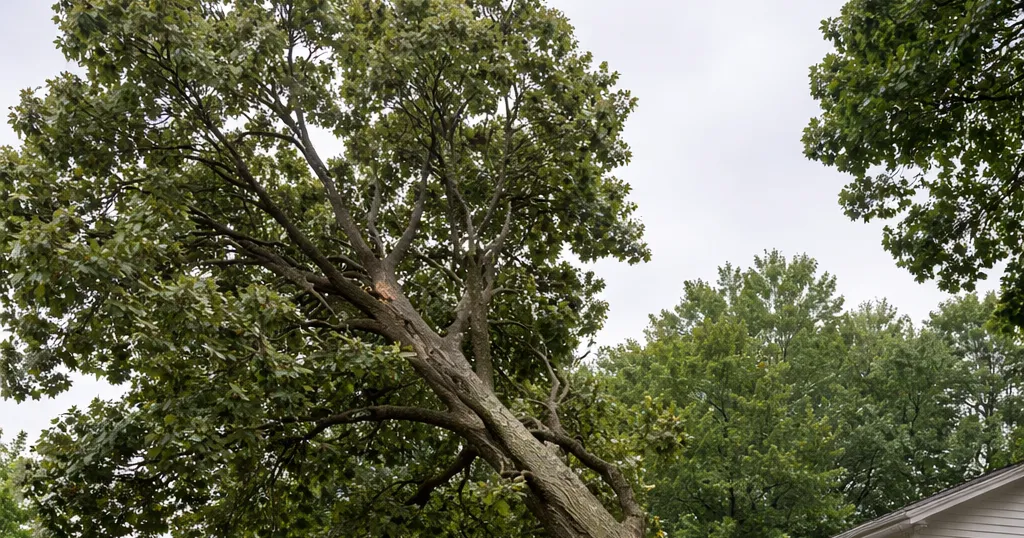
A tree that has shifted from its original vertical position or has visible root issues is a clear sign of instability and an imminent threat. This often happens when the soil is saturated, and strong winds push against the tree.
- Significant Lean: A noticeable tilt in the tree’s posture that wasn’t there before the storm, especially if it’s leaning towards a structure or high-traffic area.
- Exposed Root Ball: When the ground around the tree’s base has lifted, revealing roots, it indicates the tree is partially or completely uprooted.
- Soil Heaving: Mounds of soil pushed up around the base, a subtle sign of root system distress.
Broken Limbs and Hanging Branches
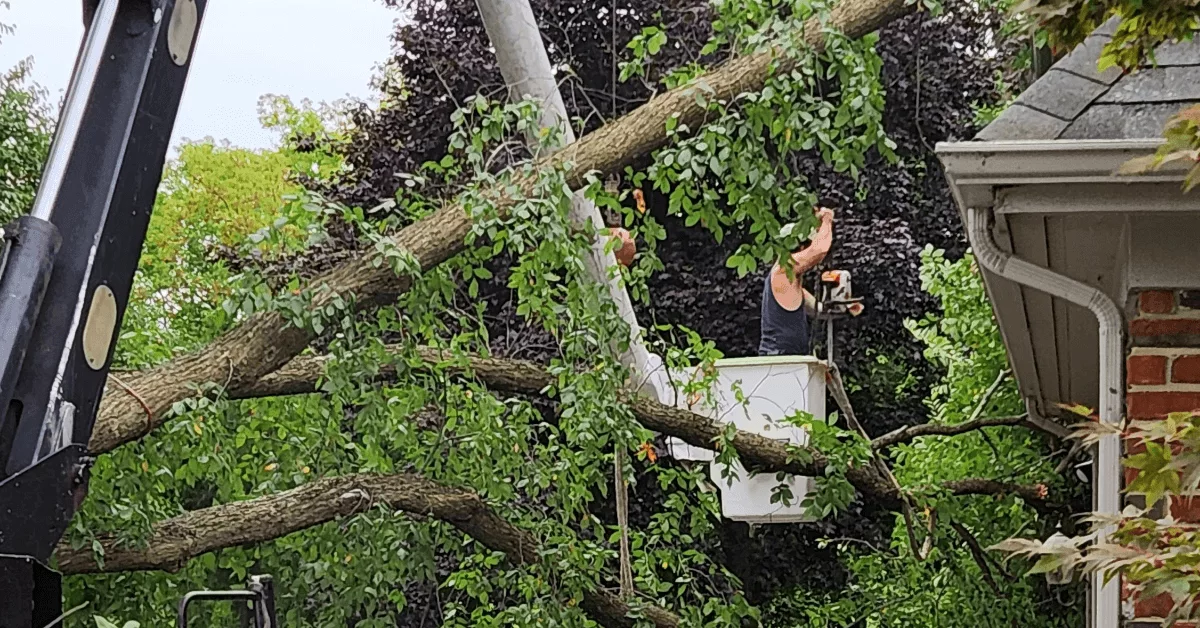
Branches broken but still attached to the tree are often called “widow makers” because they can fall unexpectedly and cause serious harm. These are among the most common and dangerous post-storm hazards.
- Snapped Branches: Limbs are completely broken but caught in other branches, posing a risk to anyone below.
- Partially Attached Limbs: Branches that have cracked but are still connected, swaying precariously in the wind.
- Large Debris in Canopy: Smaller branches or objects lodged high in the tree, which can dislodge at any moment.
Hidden Damage and Internal Decay
Sometimes the most dangerous damage isn’t immediately visible from the ground. Internal decay or subtle changes can weaken a tree over time, making it more vulnerable during a storm. This is where expert assessment truly shines.
- Fungal Growth: Mushrooms or conks on the trunk or branches can signal internal decay and rot, weakening the tree’s structure.
- Hollow Sounds: Tapping the trunk and hearing a hollow sound might indicate a compromised core.
- Weak Branch Unions: V-shaped or narrow branch attachments are prone to splitting, and storm stress can exacerbate these weaknesses.
- Bark Damage: Large sections of missing bark can expose the tree to disease and pests, leading to further decay.
Specific Risks of Unsafe Trees
Ignoring the signs of an unsafe storm-damaged tree can lead to severe consequences, affecting both your property and personal safety. The risks are substantial, making prompt and professional intervention essential.
- Property Damage: A falling tree or large limb can crush vehicles, damage roofs, fences, and utility lines, leading to expensive repairs.
- Personal Injury or Death: The tree care industry is one of the most dangerous, with approximately 80 deaths annually in the U.S. due to falls, electrocutions, or being struck by objects. DIY attempts significantly increase this risk.
- Utility Disruptions: Falling trees often bring down power lines, causing outages and creating electrocution hazards.
- Secondary Damage: Partially damaged trees are more susceptible to pests and diseases, which can spread to healthy trees on your property.
- Increased Liability: In Michigan, property owners are responsible for maintaining their trees to prevent foreseeable harm. Ignoring a known hazardous tree could make you liable for the damages it causes.
Storm Damage, Insurance, and What Homeowners Should Know
After a major storm, many homeowners are unsure who pays for tree removal or property repairs. In most cases, homeowner’s insurance may cover storm-related tree damage, especially if a tree falls on a house, garage, fence, or other insured structure. However, policies often treat tree removal differently depending on the situation.
If a healthy tree falls due to wind, lightning, or ice and damages your home, insurance usually covers both the structural damage and part of the tree removal. On the other hand, if a tree simply falls in the yard without damaging anything, coverage may be limited or not included at all. Many policies only provide small allowances for clearing driveways or access points.
In Michigan, responsibility can also depend on where the tree lands. If a healthy tree from a neighbor’s property falls into your yard during a storm, your insurance typically handles the cleanup on your side. However, if the tree was already dead, diseased, or known to be hazardous and the owner failed to address it, liability could shift to the property owner.
Because insurance claims often require documentation, it’s important to take photos of the damage before any cleanup begins and contact your insurance provider as soon as possible. Professional tree companies can also provide written assessments and estimates, which many insurers require when reviewing storm damage claims.
DIY vs. Professional Tree Removal: A Critical Choice
When faced with a storm-damaged tree, you might wonder if you can handle it yourself. However, the decision between DIY and professional tree removal has significant implications for safety, cost, and effectiveness.
| Factor | DIY Approach | Professional Service |
| Safety | Extremely high risk of injury, falls, electrocution, or property damage. | Experienced, trained crews use proper safety protocols and equipment to reduce risk significantly. |
| Equipment | Requires specialized tools like chainsaws and tall ladders. Often dangerous and costly for homeowners. | Industrial-grade cranes, chippers, rigging systems, and protective gear ensure controlled, efficient removal. |
| Expertise | Limited knowledge of tree biology, fall direction control, and structural hazard assessment. | Licensed and insured arborists assess structural risk and manage complex removals safely. You can verify a professional’s credentials through the International Society of Arboriculture (ISA) Michigan Chapter to ensure they meet national safety and training standards. |
| Cost | Lower upfront expense but high risk of expensive property damage or medical bills. | Transparent pricing includes labor, insurance, and cleanup and eliminates costly mistakes. |
| Cleanup | Debris removal is time-consuming and often incomplete. | Full debris hauling, branch chipping, and site cleanup included. |
| Insurance | Homeowner assumes liability. Insurance may deny claims for DIY accidents. | A fully insured company protects your property and limits liability exposure. |
Understanding the Costs of Storm Damage Tree Services
Understanding the financial aspects of storm-damaged tree services helps you plan and make informed decisions. Costs can vary widely based on several factors, and Clean Cut Tree Experts provides clear, transparent estimates.
Factors Influencing Tree Removal Costs
The price of removing a storm-damaged tree isn’t fixed; it depends on the tree’s size, location, and the complexity of the job. Emergency services, as you might expect, carry a premium.
- Tree Size: Larger trees require more time, equipment, and crew members. Medium-sized trees in the Detroit Metro area.
- Location and Accessibility: Trees near structures, power lines, or in difficult-to-access areas increase complexity and cost.
- Damage Severity: Severely damaged, unstable trees require more careful, often crane-assisted removal.
- Emergency vs. Scheduled: Emergency tree removal typically incurs a 25-50% premium over scheduled work due to immediate dispatch and specialized logistics.
- Additional Services: Stump grinding, debris hauling beyond chipping, and permit fees can add to the total cost.
Navigating Insurance Claims and Local Regulations
While you hope your insurance will cover everything, it’s crucial to know what to expect. Most policies cover damage to structures, but tree removal without structural impact can be tricky.
- Document Everything: Take photos and videos of all damage before cleanup. This is your strongest evidence for a claim.
- Contact Your Insurer Promptly: Report the damage as soon as it’s safe to do so. They’ll guide you through their specific process.
- Get Professional Assessments: Clean Cut Tree Experts can provide detailed damage assessments and estimates that are essential for insurance claims.
- Understand Coverage Limits: Homeowner’s insurance usually covers tree removal if it damages your home or other insured structures. Some policies may cover a limited amount for tree removal even without structural damage, typically for clearing driveways.
- Local Ordinances: Be aware that cities like Farmington Hills or Royal Oak might have specific regulations regarding tree removal and associated permit fees.
Preventive Measures for Tree Safety
Taking proactive steps can significantly reduce the risk of severe storm damage to your trees and property. Prevention is always better than a costly emergency.
- Regular Tree Trimming and Pruning: Schedule routine maintenance with Clean Cut Tree Experts to remove dead, diseased, or weak branches that are prone to breaking in storms.
- Arborist Inspections: Have a Licensed & Insured arborist inspect your trees annually to identify potential structural weaknesses, diseases, or pest infestations before they become critical hazards.
- Proper Planting: Choose tree species appropriate for your local climate and soil conditions in Southeast Michigan, and ensure they are planted correctly to develop strong root systems.
- Cable and Bracing: For valuable trees with weak branch unions, cabling or bracing can provide extra support, reducing the risk of splitting during high winds.
- Monitor Tree Health: Regularly observe your trees for signs of stress. It is critical to follow the Michigan DNR’s Oak Wilt pruning guidelines, which prohibit trimming oaks from April 15 to July 15 to prevent the spread of fatal fungal diseases.”
Frequently Asked Questions
What are the immediate signs of an unsafe storm-damaged tree?
A tree with a split trunk, significant lean, large broken branches hanging, or exposed roots is likely unsafe. Look for deep cracks in the bark, fungal growth indicating decay, or a sudden change in the tree’s posture after a storm. Professional assessment confirms the risk.
Does homeowner’s insurance cover storm-damaged tree removal?
Yes, homeowner’s insurance typically covers damage from a fallen tree, especially if it was healthy before the storm. However, policies vary, and coverage for tree removal without structural damage might be limited. Always review your policy and consult with your provider.
How much does it cost to remove a storm-damaged tree?
Professional tree removal costs in the Detroit Metro area typically range from $250 to $1,500 for standard trees. Complex removals, especially those requiring a crane or emergency response, can cost $2,000 to $7,000 or more, often with a 25-50% premium for emergency work.
When should I call a professional for a storm-damaged tree?
You should call a professional tree service like Clean Cut Tree Experts immediately if you see large broken branches, a leaning or uprooted tree, or any damage near power lines. Prompt action reduces risks and prevents further property damage.
Is it safe to remove a storm-damaged tree myself?
DIY removal of storm-damaged trees is extremely dangerous due to unstable branches, hidden power lines, and the sheer weight of wood. The tree care industry has a high fatality rate. Always trust professionals with the right equipment and experience to ensure safety.
Who is responsible if my neighbor’s storm-damaged tree falls on my property?
In Michigan, the property owner where the tree lands is usually responsible for cleanup and costs if the tree was healthy. If the tree were dead or diseased and the owner was negligent, liability might shift to the tree’s owner. Check local ordinances for specifics.
What to Remember About Storm-Damaged Tree Safety
Recognizing an unsafe storm-damaged tree quickly protects your property and loved ones. While some signs are obvious, many hidden dangers require a professional eye. Clean Cut Tree Experts offers reliable, expert tree services across Southeast Michigan, including Farmington Hills, Livonia, Novi, Royal Oak, Southfield, and West Bloomfield. We’re ready to assess your trees, provide clear solutions, and ensure your property remains safe. Don’t wait for further damage; Contact Us today for a comprehensive evaluation.