May 3, 2026
Many homeowners in Southeast Michigan understand the importance of watering their trees, especially during dry spells. But what happens when a tree gets too much water? The answer might surprise you: excessive water can be just as damaging as drought, leading directly to a serious condition known as tree root failure. This guide will explain how overwatering causes root failure and what you can do to protect your valuable trees.
Key Takeaways
- Excessive water causes tree root failure by depriving roots of essential oxygen, leading to root rot.
- Waterlogged soil fosters harmful fungi, causing roots to decay and lose their ability to absorb nutrients.
- Symptoms like yellowing leaves, wilting, and dieback often resemble drought stress, making diagnosis tricky.
- Southeast Michigan’s clay-heavy soils and increasing rainfall patterns elevate the risk of root failure.
- Preventative measures include proper watering, improving soil drainage, and selecting appropriate tree species.
- Professional arborists, like Clean Cut Tree Experts, offer crucial diagnosis, treatment, and safe removal services for affected trees.
What Is Tree Root Failure Caused by Excess Water?
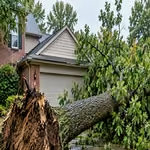
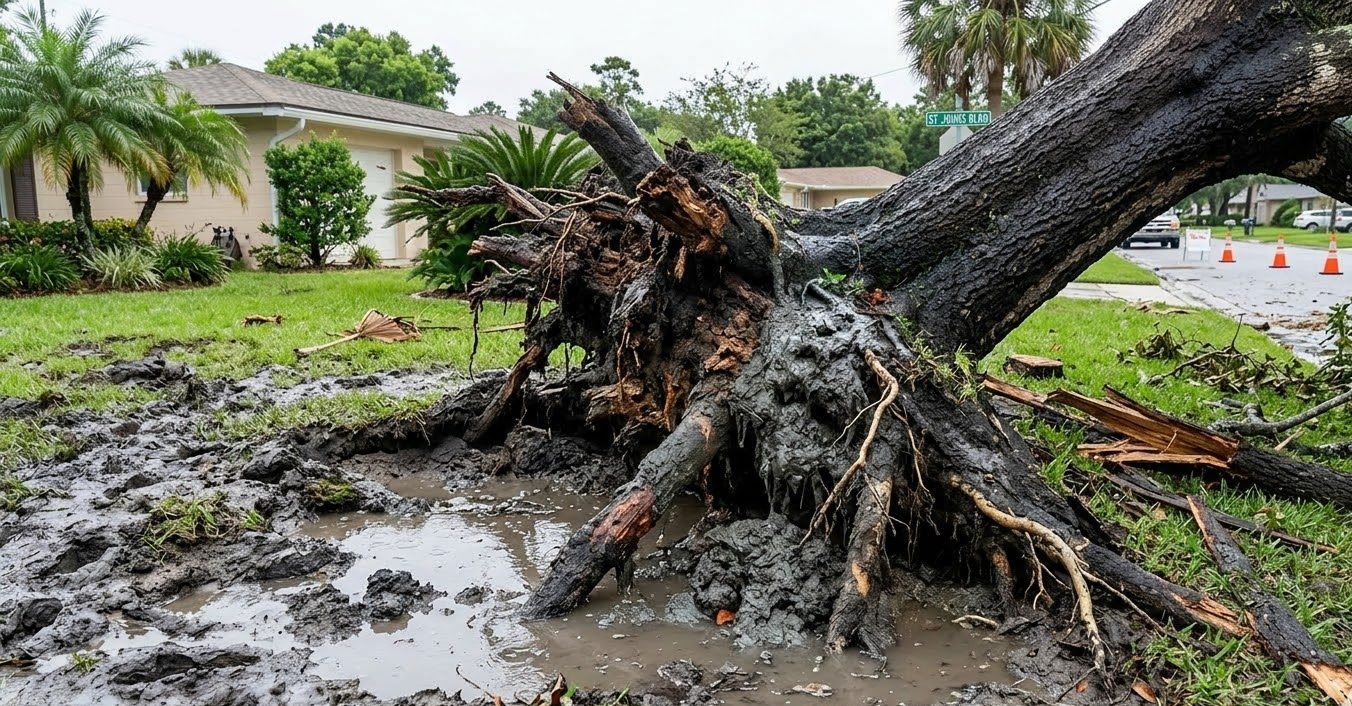
Tree root failure refers to the inability of a tree’s root system to adequately anchor the tree or absorb sufficient water and nutrients to sustain its health. This condition can manifest in various ways, from a gradual decline in tree vigor to sudden structural instability, especially during high winds. While many factors contribute to root failure, excessive soil moisture is a primary culprit, setting off a cascade of detrimental effects on the tree’s foundational support.
The Science Behind Waterlogged Roots and Oxygen Deprivation
When soil becomes saturated with water, the vital air pockets within the soil are displaced. As explained in Waterlogging (agriculture) on Wikipedia, all plants require oxygen to respire, produce energy, and keep their cells alive and most species are highly intolerant to waterlogging because it blocks air from reaching the roots. Without adequate oxygen, roots begin to suffocate and die. According to the UC Integrated Pest Management Program, this oxygen-deprived environment becomes a breeding ground for harmful fungi like Phytophthora, which actively attack and decay the compromised root system, leading to root rot
The Role of Soil Composition in Southeast Michigan
The geology of Southeast Michigan, with its common clay-heavy soils, significantly increases the risk of root failure from overwatering. Clay particles are much smaller and pack together more tightly than sand or silt, reducing the pore space available for air and slowing down water drainage. Research published in Arboriculture & Urban Forestry by the International Society of Arboriculture confirms that inadequate soil aeration commonly results from soil compaction, flooding, and clay-heavy soils. This means that after heavy rains, or if a landscape is over-irrigated, water can linger in the soil around tree roots for extended periods, exacerbating oxygen deprivation and fungal growth. Understanding your soil type is the first step in effective tree care.
Recognizing the Signs: Symptoms of Overwatering and Root Rot
Recognizing the symptoms of overwatering and root rot can be challenging because they often mimic signs of drought or nutrient deficiency. However, an observant eye can catch these early warnings. Timely identification is crucial for intervention and potentially saving your tree.
| Symptom | Overwatering / Root Rot | Drought Stress |
|---|---|---|
| Leaf Color | Yellow leaves, sometimes with green veins | Brown, dull, or scorched leaves |
| Leaf Texture | Soft, limp, wilting despite wet soil | Dry, crispy, brittle, curled |
| Soil Condition | Wet, soggy, may smell sour | Dry, hard, cracked soil |
| New Growth | Weak, slow, or stunted growth | Little to no new growth |
| Dieback Pattern | Starts from the top or inner canopy | Starts from the outer edges or tips |
| Root Condition | Soft, dark, rotting roots | Dry, brittle roots |
- Yellowing Leaves (Chlorosis): Leaves turn yellow, often starting with older leaves, even if the tree is getting water. This happens because damaged roots can’t absorb iron and other essential nutrients.
- Wilting and Drooping Foliage: Despite ample moisture, leaves may look limp and withered, as decaying roots cannot transport water effectively to the canopy.
- Stunted Growth: New shoots may be smaller than usual, and overall tree growth can slow significantly.
- Premature Leaf or Needle Drop: Leaves or needles may fall off earlier than expected, often after turning yellow or brown.
- Branch Dieback: Tips of branches or entire limbs may start to die back, turning brittle and devoid of foliage.
- Scorched Leaf Margins: The edges of leaves may appear brown and crispy, a symptom of water stress even when the soil is wet.
- Mushy Bark at Base: In advanced cases, the bark at the tree’s base may become soft and discolored, indicating extensive root and lower trunk decay.
- Foul-Smelling Soil: Digging near the roots might reveal an unpleasant, sulfurous odor from anaerobic bacteria thriving in waterlogged conditions.
Tree Species Most at Risk of Root Failure in Wet Soil
While many trees can tolerate occasional wetness, some species are particularly vulnerable to root rot and failure in poorly drained or overwatered conditions. In our local Southeast Michigan climate, it’s wise to be extra cautious with these trees.
| Tree Type | Root Rot Risk | What To Do |
|---|---|---|
| White Pine | High | Improve drainage. Avoid planting in low or soggy areas |
| Azalea / Rhododendron | High | Use raised beds with well-draining, acidic soil |
| Yew | Medium–High | Avoid overwatering. Check the soil before irrigation |
| Dogwood | Medium | Keep soil moist but well-drained with organic matter |
| Sugar Maple | Medium (young trees) | Monitor moisture closely, especially in clay soil |
| River Birch | Low | Good choice for wet areas. Tolerates excess moisture |
Common Tree Species Susceptible in Southeast Michigan
Certain tree and shrub species are less tolerant of ‘wet feet’ than others. If you have these in your landscape, especially in areas with clay soil, you’ll need to pay close attention to watering and drainage:
- White Pines: These beautiful evergreens are highly sensitive to saturated soils and are prone to Phytophthora root rot. Utah State University Extension notes that overwatering during summer is particularly conducive to Phytophthora infection, as this fungus requires continually wet, warm soils to infect susceptible plants.
- Azaleas and Rhododendrons: While not trees, these popular shrubs in Michigan landscapes quickly suffer from root rot when overwatered or planted in heavy, wet soils.
- Yews: Another common landscape evergreen, yews struggle in consistently wet conditions.
- Dogwoods: Often planted for their ornamental value, dogwoods prefer well-drained soil and can develop root issues if kept too wet.
- Sugar Maples: While generally resilient, young sugar maples can be susceptible to root problems in poorly drained sites.
- Fruit Trees: Many fruit tree varieties, especially apples and cherries, are prone to root diseases in waterlogged conditions.
Preventing Root Failure: Best Practices for Tree Health
Preventing root failure is far easier and less costly than treating it. By adopting sound horticultural practices, you can create an environment where your trees thrive, even with the unique climate challenges of Southeast Michigan. Proper planning and consistent care are your best defenses.
Proper Watering Techniques for Established and New Trees
The most common cause of overwatering is simply applying too much water, too often. Understanding your tree’s needs and adapting to local conditions is crucial.
- Deep, Infrequent Watering: Water deeply to encourage roots to grow downwards, but allow the soil to dry out partially between waterings. This promotes healthy root development and prevents constant saturation.
- Check Soil Moisture: Before watering, stick your finger 2-3 inches into the soil. If it feels moist, wait. A soil moisture meter can also provide accurate readings.
- Consider Tree Age: Newly planted trees (1-3 years old) require more frequent watering than established trees. However, even new trees need well-drained soil.
- Use a Soaker Hose or Drip Irrigation: These methods deliver water slowly and directly to the root zone, minimizing runoff and ensuring deep penetration without oversaturation.
- Account for Rainfall: In Southeast Michigan, heavy rainfall events are becoming more frequent. Adjust your watering schedule based on recent precipitation. Your trees might not need extra water for a week or more after a significant storm.
Improving Soil Drainage
Poor drainage is a major contributor to waterlogged soil. Addressing this can significantly reduce the risk of root failure.
- Amend Heavy Clay Soils: Incorporate organic matter like compost or aged manure into the soil when planting. This improves soil structure, creating more air pockets and enhancing drainage. For existing trees, gently work organic matter into the topsoil around the drip line.
- Avoid Compaction: Heavy foot traffic or machinery can compact soil, reducing air space and drainage. Mulch around trees helps prevent compaction.
- Create Raised Beds: For highly susceptible species, planting in a raised bed (at least 12-18 inches high) filled with well-draining soil can provide an ideal environment.
- Consider French Drains: In severely waterlogged areas, a professional assessment can determine whether a French drain or other subsurface drainage solution is needed to redirect excess water away from tree roots safely.
When to Call the Experts: Professional Intervention
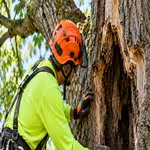
While basic prevention is within every homeowner’s reach, once root failure or severe root rot takes hold, professional intervention becomes critical. Attempting to diagnose and treat advanced tree diseases without expertise can lead to further damage, wasted effort, or even hazardous conditions. Clean Cut Tree Experts provides comprehensive tree care services across Southeast Michigan, including Farmington Hills, Livonia, Novi, and Howell, ensuring your trees receive the best possible care.
The Dangers of DIY Root Rot Treatment
When dealing with root rot, a DIY approach often falls short and can even worsen the problem. Without proper identification of the specific pathogen and understanding the extent of root damage, treatments can be ineffective or harmful. Misapplication of fungicides, for example, can kill beneficial soil microbes without addressing the underlying drainage issues. Furthermore, large, declining trees pose significant safety risks during self-attempted removal or major pruning.
How Clean Cut Tree Experts Can Help
Clean Cut Tree Experts offers a range of services tailored to address root failure and maintain overall tree health. Our licensed and insured arborists are equipped with the knowledge and tools to provide effective solutions.
- Expert Diagnosis: Our arborists can accurately diagnose root rot, identify contributing factors, and assess the overall health and stability of your tree.
- Soil Analysis and Amendments: We can recommend and implement targeted soil improvements to enhance drainage and aeration.
- Targeted Treatments: Where appropriate, we can apply specific fungicides or other treatments to combat root rot pathogens.
- Pruning and Remedial Work: Removing dead or compromised branches can improve tree structure and reduce stress.
- Safe Tree Removal: If a tree is beyond saving or poses a significant hazard due to root failure, we provide safe and efficient tree removal services, minimizing risk to your property.
- Preventative Maintenance Plans: We develop customized plans to protect your trees from future issues, including proper watering guidelines and soil care.
Frequently Asked Questions
Does overwatering really kill tree roots?
Yes, too much water can easily cause root failure by creating waterlogged soil. This deprives tree roots of vital oxygen, leading to root rot. Without oxygen, roots cannot respire, making them susceptible to harmful fungi like Phytophthora and Armillaria, which cause decay and diminish the tree’s ability to absorb nutrients.
What are the common signs of tree root failure from too much water?
Signs of overwatering often mimic drought symptoms. Look for yellowing leaves, wilting, premature leaf or needle drop, stunted growth, branch dieback, and a general decline in vigor. The soil around the tree may also remain constantly wet or have a foul odor.
What’s the difference between root rot and root failure?
Root rot is a fungal disease that attacks tree roots in overly wet, oxygen-deprived soil. It’s caused by various pathogens, often *Phytophthora*. Root failure describes the overall inability of the root system to support the tree, which can be a direct result of root rot or other factors like girdling roots or physical damage.
How can I improve drainage around my trees to prevent root failure?
Improving soil drainage is key. Consider amending heavy clay soils with organic matter, creating raised beds for susceptible species, or installing French drains in severely waterlogged areas. Proper planting depth and avoiding compacted soil also help prevent water accumulation.
Can I treat tree root rot myself, or do I need a professional?
While minor cases might be addressed by improving drainage and adjusting watering, severe root rot often requires professional diagnosis and treatment. Arborists can assess the extent of damage, identify pathogens, and recommend specific fungicides or other interventions, which are often beyond DIY capabilities.
Which tree species are most susceptible to root failure from overwatering?
In Southeast Michigan, white pines, azaleas, rhododendrons, and yews are particularly sensitive to wet conditions and prone to root rot. Trees planted in clay-heavy soils common in the region are also at higher risk due to prolonged moisture retention.
Protect Your Trees by Addressing Root Failure Early
Understanding the delicate balance of water and oxygen for tree roots is vital for maintaining a healthy landscape. Excessive water can indeed cause significant root failure, often leading to irreversible damage if not addressed promptly. By recognizing the signs, adopting proper watering techniques, and improving soil conditions, you can protect your trees. For comprehensive diagnostics, effective treatment, or safe tree removal in Southeast Michigan, trust the proven expertise of Clean Cut Tree Experts. Don’t let root failure jeopardize your property’s beauty and safety; contact us today for a professional assessment.