May 13, 2026
Key Takeaways
- Immediate Action: Prioritize safety by ensuring the area is clear of hazards before contacting any professionals.
- Insurance First: Notify your insurance provider right away to begin the claims process.
- Professional Tree Service: Hire an experienced, licensed tree removal service for safe and efficient removal.
- Minimize Damage: Professional teams work to prevent further damage to the structure and property during removal.
- Avoid DIY: Never attempt to remove a fallen tree yourself, especially if it’s on a roof.
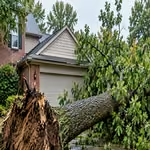
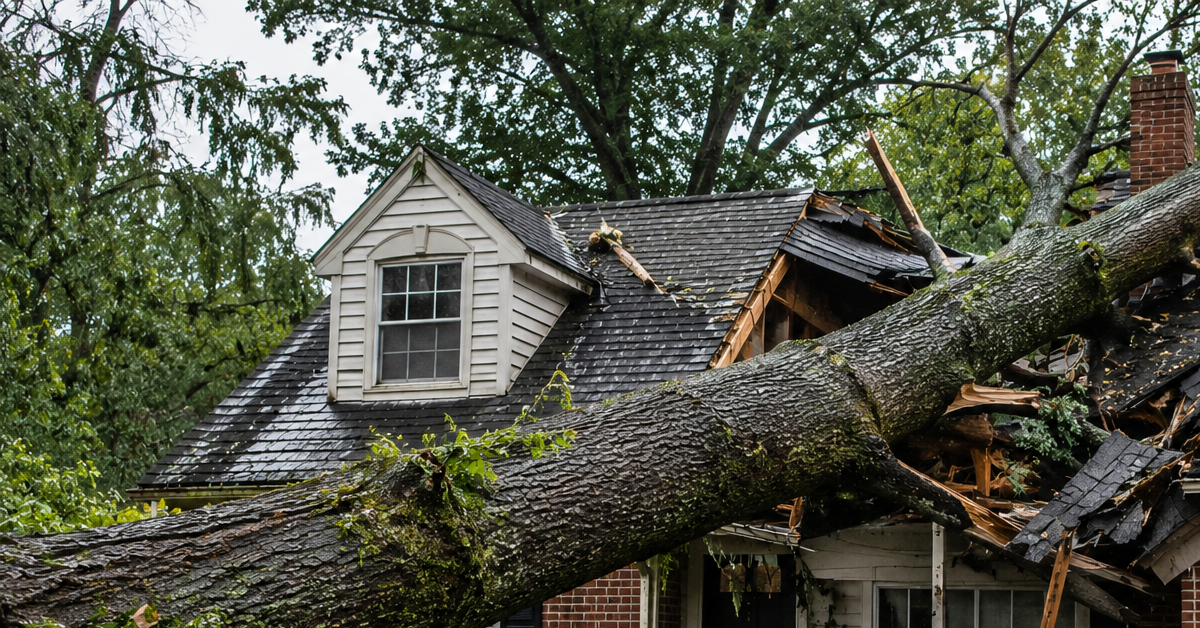
When a tree falls on your roof in Metro Detroit, it’s more than just an inconvenience; it’s a serious emergency. The immediate response can make a big difference in how much damage your home incurs and how quickly it gets repaired. Whether caused by a powerful storm, wet snow, or high winds, a fallen tree can threaten your home’s structural integrity and pose safety risks. So, who do you call first?
1. Prioritize Safety: Assess the Situation
Before contacting any professionals, your priority should always be safety. Do not attempt to go under or near the tree if there are live power lines involved. If the tree is still partially standing or if it is unstable, there’s a risk of it falling further or shifting. In this case, it’s best to stay away from the area and immediately call emergency services or your local fire department.
- Check for Power Lines: If the tree is tangled with power lines, avoid the area entirely and call DTE Energy or your local utility provider.
- Evacuate if Necessary: If there is any concern about further tree collapse or structural damage, evacuate your home to prevent injury.
Once the area is secured, your next step is to contact a professional tree removal service and your insurance company.
2. Call Your Insurance Provider
After ensuring your safety, the next call should be to your homeowner’s insurance provider. Most policies cover tree removal in the event of storm damage or fallen trees, but it’s important to understand the specifics of your coverage. Contact your insurance provider immediately to report the damage. Provide them with detailed information and be prepared to send pictures of the fallen tree on your roof.
- Document the Damage: Take clear photos of the damage from various angles. If safe, document the position of the tree, any structural damage to the roof, and any other affected areas.
- Policy Coverage: Ask your insurance provider about your policy’s tree removal coverage and how much of the damage is covered. Many policies will cover tree removal costs and repair to your roof if the tree caused direct damage.
Some insurance providers will require that you act quickly and get a professional estimate for the removal of the tree and any immediate repairs. Make sure to ask about what documents you will need for the claim and how long the approval process may take.
3. Contact a Professional Tree Service
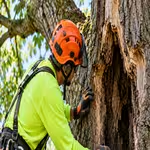
Now that you’ve secured the area and contacted your insurance provider, it’s time to call a professional tree service. Removing a tree from a roof isn’t a DIY task; it’s a job for professionals with the right equipment and expertise. A tree removal company can assess the situation and determine the safest, most effective way to remove the tree while minimizing additional damage.
Why You Need Professionals:
- Safety: Tree removal, especially from a roof, involves significant safety risks. Trained arborists know how to safely and efficiently remove trees without causing further damage to the property or putting themselves in danger.
- Equipment: Tree removal companies use specialized equipment, such as cranes, bucket trucks, and heavy-duty chainsaws, to safely remove large trees. Professional arborists are trained in using this equipment effectively.
- Insurance Coordination: Many tree removal companies, like Clean Cut Tree Experts, work directly with your insurance provider. This ensures that you don’t have to pay out-of-pocket for the service and that the removal is done according to your insurance policy’s guidelines.
Be sure to choose a licensed and insured tree service to ensure that the company has the necessary qualifications to perform the job safely. A certified tree service will also carry workers’ compensation and general liability insurance, which protects both you and the workers in case of accidents.
4. Avoid DIY Tree Removal
While the idea of saving money by attempting to remove the tree yourself may be tempting, it’s not worth the risk. DIY tree removal can lead to additional damage, personal injury, and even legal issues. Here are some reasons why DIY tree removal is never a good idea:
- Safety Risks: Trees are heavy and can cause serious injury if handled improperly. Additionally, trees on roofs often have unpredictable stability and can shift suddenly.
- Inadequate Equipment: Most homeowners don’t have the right equipment, such as cranes or specialized cutting tools, needed to safely remove a fallen tree.
- Additional Property Damage: Without the right skills, it’s easy to damage your roof further or even cause damage to nearby structures or landscaping.
Hiring a professional ensures that the job is done safely, with the right equipment, and in the most efficient way possible.
5. What to Expect During the Tree Removal Process
Once the tree removal service arrives, they will assess the damage and create a plan to safely remove the tree. Here’s what to expect during the process:
- Initial Assessment: The tree removal team will inspect the tree’s position, its impact on the roof, and any safety risks. They will also assess whether any electrical lines are involved.
- Tree Removal: The tree will be cut into sections, starting from the top and working down. Depending on the size and stability of the tree, the team may use cranes, bucket trucks, or rigging to safely lift the tree off the roof.
- Cleanup: After the tree is removed, the company will clean up any remaining debris, including branches, leaves, and logs. Most reputable tree services will leave your property looking as good as new.
- Roof Inspection: While some tree services may offer to inspect your roof for further damage, it’s a good idea to have a separate professional roofer evaluate the damage. This will ensure that your roof is properly repaired and restored.
6. How Much Does Tree Removal After a Storm Cost?
The cost of removing a tree from a roof can vary significantly depending on several factors:
- Tree Size: Larger trees with more extensive damage will cost more to remove.
- Location: Trees near structures or power lines are more difficult to remove, leading to higher labor and equipment costs.
- Damage Extent: If the tree has caused significant damage to your roof or other structures, repairs will add to the overall cost.
- Emergency Services: If the removal is required after hours or during a storm emergency, you may be charged an additional premium for emergency services.
In general, tree removal from a roof can range from $500 to $2,500 or more, depending on the size of the tree, the complexity of the removal, and any additional repairs needed. Your insurance provider will help clarify what portions of the cost they will cover.
7. How to Prevent Future Tree-Related Roof Damage
Once the immediate emergency is handled, it’s important to take steps to reduce the likelihood of similar damage in the future. Consider the following tree maintenance tips to protect your home from future storms:
- Regular Tree Inspections: Have a certified arborist inspect the trees on your property annually. Look for signs of disease, decay, or structural weakness that could cause a tree to fall.
- Prune Dead or Damaged Limbs: Regular pruning of trees helps reduce the risk of fallen branches during storms.
- Remove Hazardous Trees: If you have trees that are too close to your home or showing signs of damage, consider removing them before a storm hits.
- Maintain Roof Integrity: Ensure that your roof is in good condition by regularly checking for leaks, damage, or weak spots that could be made worse by falling branches or debris.
When a tree falls on your roof, it’s essential to hire a tree service that can handle the emergency safely and efficiently. Clean Cut Tree Experts, based in Farmington Hills, specializes in 24/7 emergency tree removal, tree trimming & pruning, shrub removal & trimming, stump grinding & removal, lot clearing, crane-assisted tree removal, and storm damage cleanup. Our team of licensed arborists uses professional equipment, including cranes, to safely remove large trees without causing additional damage.
Clean Cut Tree Experts also works directly with your insurance provider, so you don’t have to worry about upfront payments or complex claims. Their experience and expertise ensure a quick response and thorough damage control, allowing you to focus on getting your home back to normal.
Frequently Asked Questions by Homeowners in Metro Detroit
Should I call emergency services if a tree falls on my roof?
Yes. If the tree involves power lines, structural collapse, gas leaks, or severe roof damage, contact emergency services immediately and avoid the area.
How can I make sure a tree service company is qualified?
Always verify that the company is licensed and insured. Request proof of workers’ compensation and general liability insurance before work begins.
Does homeowner’s insurance cover tree removal?
In many cases, yes. Most homeowner policies cover tree removal and repairs when storm damage affects insured structures.
What if the tree fell because of disease or rot?
Coverage depends on the policy and the condition of the tree before failure. Insurance companies may investigate whether neglect contributed to the damage.
Can I remove a fallen tree myself to save money?
No. Removing a tree from a roof is extremely dangerous and may cause additional structural damage or serious injury without professional equipment.
How much does emergency tree removal usually cost?
Costs vary based on tree size, roof damage, equipment needs, and accessibility. Emergency removals often range from several hundred to several thousand dollars.
How long does roof tree removal take?
Most emergency removals take several hours, but larger trees or severe structural damage may require a full day or longer.
Should I get a written estimate before work starts?
Yes. Always request a written estimate outlining removal costs, cleanup, equipment charges, and emergency service fees.
Summary Checklist: Immediate Actions After a Fallen Tree
| Condition | Risk Level | Recommended Action |
|---|---|---|
| Tree on the roof without power line involvement | Moderate to High | Contact a professional emergency tree service to inspect damage and safely remove the tree |
| Tree on the roof involving power lines | Critical | Stay clear of the area, contact utility providers, and call emergency services immediately |
| Severe roof or structural damage | Critical | Evacuate if necessary and secure the area until emergency crews arrive |
| After-hours emergency tree removal needed | High | Call a 24/7 emergency tree service company with storm response capabilities |
| Insurance claim not yet started | Moderate | Document all damage with photos and contact your insurance provider immediately |
| Roof and property inspection needed | High | Schedule inspections with a roofing contractor and certified tree service company |
Final Advice
If a tree falls on your roof, safety should be your priority. Always ensure the area is clear of hazards, especially if power lines are involved. Once the area is secured, contact your insurance provider to start the claims process, and then call a licensed and insured tree removal service immediately.
Never attempt to remove a fallen tree on your own. Professional tree services are equipped with the right tools and expertise to safely remove the tree while minimizing further damage. Document the damage thoroughly for your insurance claim, and be sure to request a written estimate before any work begins.
With the right actions, you can safely navigate the aftermath of a tree on your roof and get your home back to normal as quickly as possible.