May 14, 2026
Key Takeaways
- Ice Storm Damage: Understanding the impact of ice storms on trees in Metro Detroit and the potential damage to your property.
- Insurance Coverage: Key aspects of your homeowner’s insurance policy that may cover tree removal following storm damage.
- Claims Process: A step-by-step guide to navigating the tree removal claims process after an ice storm.
- Cost Considerations: How ice storm damage affects the cost of tree removal services and your insurance coverage.
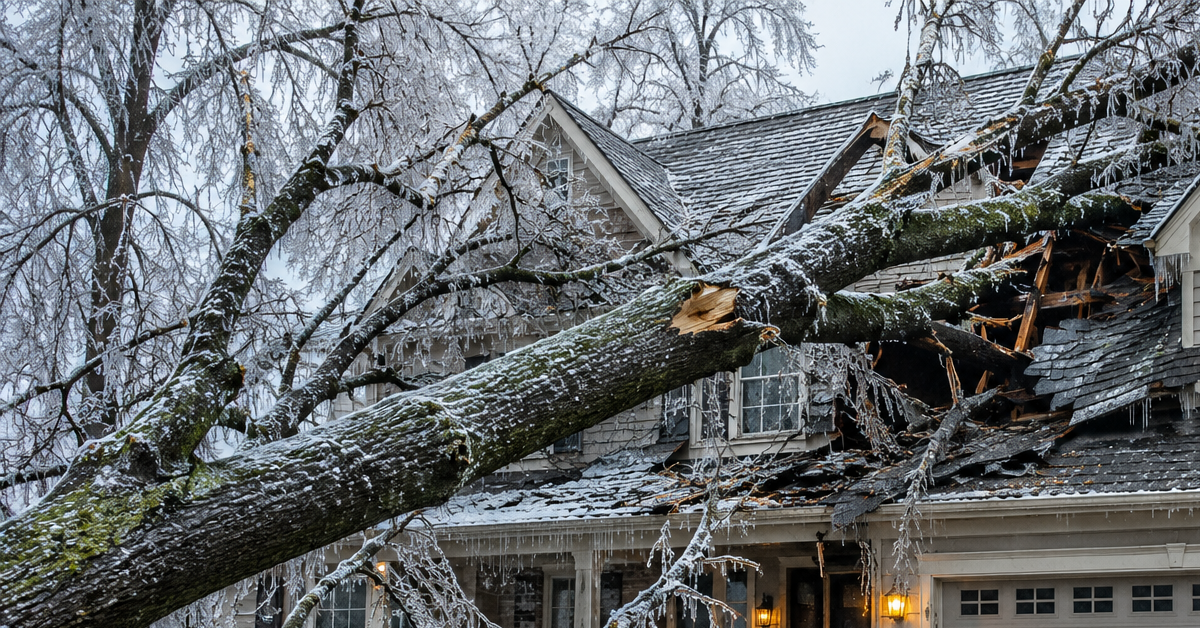
Michigan residents are no strangers to harsh winter conditions. One of the most destructive weather events during the colder months is the ice storm, which can wreak havoc on trees, power lines, and homes across the region. The weight of freezing rain and ice on trees can cause limbs to break, entire trees to fall, and significant damage to roofs, fences, and vehicles.
In Metro Detroit, where a mix of residential areas, suburban sprawl, and dense urban infrastructure exists, tree damage from ice storms can range from inconvenient to catastrophic. Whether you’re dealing with a downed limb blocking your driveway or a completely uprooted tree damaging your roof, one thing is clear: tree removal is often necessary to restore order.
But what happens when ice storms leave you with a tree removal mess? Insurance plays a significant role in navigating this storm damage, but the process of filing a claim and understanding what is covered can be complex.
Understanding Your Homeowner’s Insurance Coverage for Storm Damage
Before you begin clearing debris or considering tree removal, it’s crucial to know what your insurance policy covers when it comes to storm damage. In most cases, homeowner’s insurance policies include coverage for tree removal, but there are some important nuances you need to understand.
What Is Typically Covered by Insurance?
- Tree Damage to Your Property:
If a tree from your property falls and damages your house, garage, fence, or driveway during an ice storm, it is generally covered by your homeowner’s insurance policy. Most policies will help with repairs to the home and other structures on your property that are impacted by fallen trees. This includes the cost of tree removal if the fallen tree is blocking your property’s access or causing significant damage. - Tree Removal Costs:
Many homeowners’ insurance policies cover the cost of removing a tree if it has fallen on your home or any other structure, such as your fence or garage. However, this typically only applies if the tree has caused direct damage to your home or other structures. If a tree falls in your yard and does not damage any property, the cost of removal might not be covered unless the tree is hazardous. - Removal of Fallen Trees in the Yard:
Some policies may cover the removal of a tree that has fallen in your yard, but did not cause direct damage to your house or other structures. Coverage for yard trees can vary based on your specific policy, and many policies include a limit for tree removal services. For example, some insurance companies will pay up to $500 or more to have fallen trees cleared from your yard, but this amount may vary depending on your coverage.
What Is Not Covered?
- Damage to Trees from Ice Storms
If a tree falls due to natural causes, like an ice storm, and it does not cause property damage, many policies will not cover the removal. So, if a large limb falls into your yard without causing harm to structures, you may need to pay for removal yourself. - Pre-existing Damage
If your tree was already weakened or damaged before the storm, your insurance provider may argue that the tree’s fall was due to pre-existing conditions, which is not covered under storm damage claims. It’s important to maintain trees on your property and address any signs of disease or weakness well before an ice storm hits. - Routine Tree Maintenance:
Insurance generally doesn’t cover routine tree trimming or maintenance. So, if a healthy tree in your yard falls due to weather, and no damage is done to your property, you may be responsible for the cleanup costs. Only after significant storm-related damage will your policy typically kick in.
Navigating the Claims Process After an Ice Storm
After a storm hits and you find your trees in disarray, the next logical step is to file a claim with your insurance company. Understanding the claims process is crucial to ensure a smooth recovery.
Step 1: Assess the Damage
Start by assessing the damage to your property. Take clear, detailed pictures of fallen trees, broken branches, and any damage to structures such as the roof, driveway, or fence. These photos will be essential for your insurance claim. Documenting the damage immediately after the storm will help to avoid complications when filing.
Step 2: Contact Your Insurance Provider
Once you have gathered the necessary information, it’s time to contact your insurance provider. Call your provider’s claims department and explain the damage caused by the ice storm. They may direct you to an adjuster who will inspect your property and assess the situation in person.
Step 3: Schedule a Tree Removal Professional
While your insurance company will help you with the damage to your property, you will likely need to hire a tree removal professional to safely remove the fallen tree or limbs. The tree removal service provider will provide an estimate for the work needed, which you can share with your insurance company.
Step 4: Review the Estimate and Submit the Claim
Once you have a tree removal estimate, submit it to your insurance company for review. Your insurance adjuster will evaluate the damage and decide whether your claim qualifies for reimbursement based on your policy. Keep track of all communication with your insurance company, as this will be crucial if there are any disputes.
When hiring a professional for tree removal, be sure to choose a licensed and insured company to ensure that the work is done correctly and safely. Clean Cut Tree Experts is an excellent choice for homeowners in the Metro Detroit area. We offer 24/7 emergency tree services, including ice storm damage cleanup, and can assist with navigating the insurance process.
Clean Cut Tree Experts’ arborists specialize in tree removal, trimming, and pruning, and stump grinding & removal necessary to direct your trees’ spring energy into healthy, vibrant growth. We also work directly with insurance companies, so you don’t have to worry about upfront payments.
Frequently Asked Questions
Will homeowner’s insurance cover tree removal after an ice storm?
In many cases, yes. Insurance typically covers tree removal when storm damage causes a tree to hit a home, garage, fence, or other insured structure.
Does insurance cover fallen trees that don’t damage anything?
Most homeowner policies do not cover removal costs if the tree falls in the yard without damaging structures or blocking access points.
What if the tree was already damaged before the storm?
If the tree showed signs of disease, decay, or structural weakness before the storm, the insurance company may deny the claim due to lack of maintenance.
How can I confirm whether tree removal is covered?
Review your homeowner policy carefully and contact your insurance adjuster to verify storm damage and debris removal coverage limits.
What should I do immediately after a tree falls?
Prioritize safety first, document all damage with photos, contact emergency tree services if needed, and notify your insurance company as soon as possible.
Should I get multiple estimates for tree removal?
Yes. Multiple estimates can help you compare pricing and may also be requested by your insurance provider during the claims process.
Can a tree service help with insurance paperwork?
Many professional tree companies work directly with insurance providers and can assist with documentation, estimates, and claim support.
Are large storm-damaged trees dangerous to remove?
Yes. Storm-damaged trees can shift unexpectedly, split under pressure, or contact power lines. Professional removal is strongly recommended.
How can I reduce the risk of storm-related tree damage?
Routine pruning, tree inspections, structural support, and early disease management can reduce the likelihood of storm-related failures.
Summary Checklist: When to File a Tree Removal Claim
| Condition | Risk Level | Recommended Action |
|---|---|---|
| A tree falls on a home or structure | Critical | Document the damage immediately and file an insurance claim for repairs and tree removal |
| A tree falls in the yard without damage | Low | Most policies may not cover cleanup if no structures were damaged |
| The tree had visible damage before the storm | High | Maintain inspection records because insurers may deny claims linked to neglected trees |
| Storm-damaged limbs cause property damage | Moderate | Review your policy coverage and document all damage before cleanup begins |
| Emergency storm damage cleanup needed | Critical | Contact emergency tree removal professionals and notify your insurance provider quickly |
Final Advice
After an ice storm, it’s critical to address tree damage promptly to avoid further risks to your property and safety. Start by contacting your insurance provider as soon as possible to begin the claims process. Document all the damage with clear photos and detailed notes, as this will be essential for your claim. Be sure to review your policy to understand what is covered, particularly regarding storm damage and tree removal costs.
When choosing a tree service, prioritize licensed and insured professionals who specialize in storm damage cleanup. These experts will have the right equipment, such as cranes and bucket trucks, to safely remove large or hazardous trees without causing additional harm to your property.
Ensure the company works directly with your insurance provider to manage the claim process. This will prevent you from having to pay out-of-pocket upfront and streamline the process. Always ask for a written estimate before work begins and make sure there are no hidden fees. By following these steps, you’ll protect both your home and your finances, ensuring the tree removal process is efficient, safe, and properly covered.