September 8, 2026
Key Takeaways
- Young trees are more vulnerable to Michigan winters because their roots and bark are still developing.
- Deep watering before the ground freezes helps reduce winter moisture stress.
- A 2–4 inch mulch layer can moderate soil temperatures and conserve moisture.
- Seasonal trunk protection can reduce sunscald and frost-cracking risks.
- Hardware cloth and trunk guards help protect against deer, rabbits and rodents.
- Trees near roads and driveways may need protection from salt exposure.
- Inspect young trees after major snow, ice and wind events.
- Significant cracks, leaning or extensive damage should be professionally assessed.
A newly planted tree needs extra attention during its first few Michigan winters. Smaller root systems, thin bark and developing branches make young trees more vulnerable to freezing temperatures, drying winds, wildlife, snow and road salt. Michigan’s winter conditions can also change quickly. A mild period may be followed by a hard freeze, while heavy snow and ice can place additional weight on young branches. Trees planted near roads, sidewalks and driveways face another challenge because de-icing salt can reach their roots through runoff or damage branches through spray.
The good news is that winter protection does not have to be complicated. Proper watering, mulch, trunk protection, wildlife barriers and regular inspections can reduce winter stress and give young trees a better chance to establish successfully.
Why Young Trees Struggle Through Michigan Winters
Young trees have not yet developed the extensive root systems and thick bark of mature trees. Their roots remain relatively close to the soil surface, making them more vulnerable to freezing and thawing.
- Repeated freeze-thaw cycles can disturb recently established roots, while frozen soil can limit the tree’s ability to replace moisture lost through stems and branches. Winter winds can increase this moisture loss.
- Young trunks also face the risk of sunscald and frost cracking. Winter sunlight can warm bark on the south or southwest side of a trunk, followed by rapid cooling after sunset. A research by Michigan State University Extension identifies young and thin-barked trees as particularly susceptible to these injuries.
- Wildlife adds another concern. Deer may browse branches or strip bark, while rabbits and rodents can chew around the lower trunk. Protecting the root zone, trunk and surrounding environment should therefore be the focus of winter preparation.
Water Young Trees Before the Ground Freezes
- Fall watering is one of the simplest ways to prepare a young tree for winter. If autumn conditions are dry, water deeply and slowly around the root zone so moisture reaches the soil surrounding the root ball.
- Do not concentrate water directly against the trunk. Instead, distribute it across the root zone and surrounding soil. During a dry autumn, newly planted trees may need watering every 10–14 days, although rainfall, soil type and planting conditions should determine the actual schedule.
- Continue checking soil moisture until the ground begins to freeze. Once the soil is frozen, routine watering is no longer practical.
A well-hydrated tree enters dormancy in better condition and is less likely to experience moisture stress. USDA Forest Service guidance also recommends thorough watering during tree establishment rather than relying on frequent, shallow watering.
Mulch the Root Zone Correctly
A 2–4 inch layer of organic mulch can help protect young roots from temperature fluctuations, conserve moisture and reduce competition from grass.
- Shredded bark and wood chips are practical options. Spread mulch across a broad area around the tree instead of creating a narrow mound. Most importantly, keep mulch away from the trunk.
- Piling mulch against the trunk, often called volcano mulching, can keep bark excessively moist and encourage decay and pest problems. Leave a visible gap between the trunk and mulch
- Check the mulch in late fall and replenish areas that have become thin or displaced. Avoid covering the root flare with excessive mulch.
Protect Thin Bark From Sunscald and Frost Cracking
Some young trees benefit from seasonal trunk protection, particularly thin-barked species planted in exposed locations.
- Sunscald can occur when winter sunlight warms bark during the day and the tissue cools rapidly after sunset. Frost cracks can develop when temperature changes place stress on the trunk. These injuries can damage bark and create openings for decay organisms and insects.
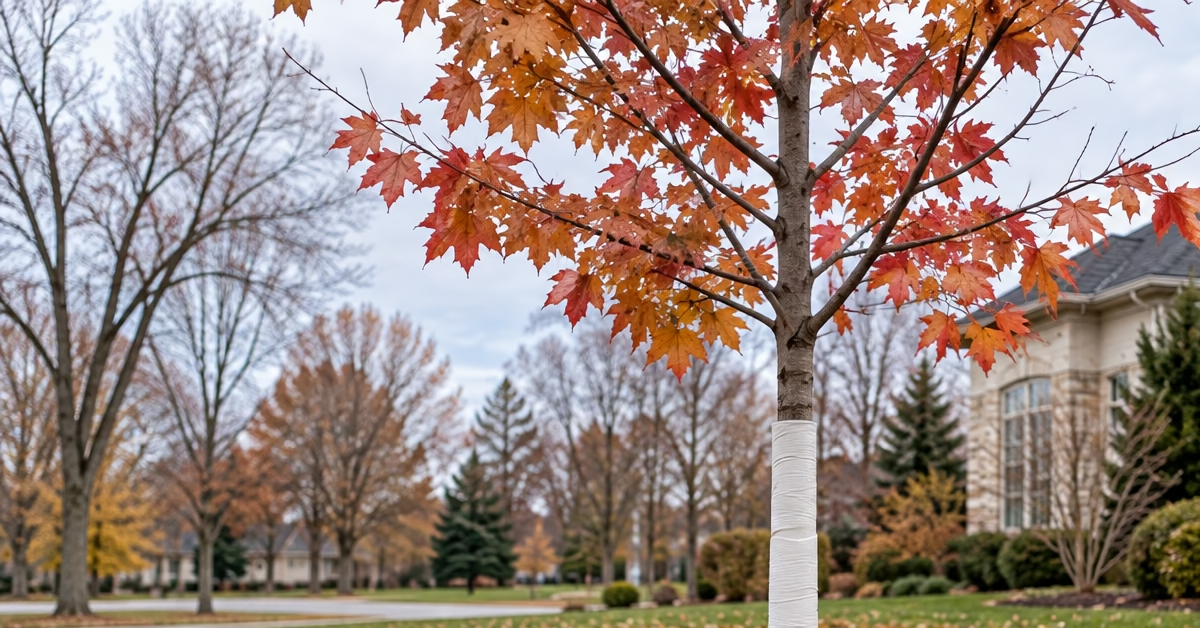
- A suitable light-coloured tree wrap or commercial trunk guard can help reduce temperature swings.
- Install protection in late fall according to the manufacturer’s instructions and inspect it during winter.
- Remove seasonal wraps in early spring when severe winter conditions have passed. Leaving protection in place throughout the growing season can trap moisture and create unnecessary problems.
- If a young tree develops a deep or extensive crack, have it professionally assessed rather than attempting to seal the wound yourself.
Protect Trees From Deer, Rabbits and Rodents
- Wildlife pressure increases during winter as natural food becomes less available. Deer can browse young branches and damage bark, while rabbits and rodents can chew around the lower trunk.
- Physical barriers provide dependable protection. Install a commercial trunk guard or cylinder of hardware cloth around vulnerable trees. The barrier should be tall enough to protect the trunk and lower branches from expected wildlife pressure.
- Remember that deep snow can allow deer to reach higher portions of a tree. Inspect guards after major snowfall and adjust them when necessary.
- Voles and other small rodents can move beneath snow cover. Keep mulch several inches away from the trunk and avoid dense vegetation immediately around the base. In areas with recurring rodent problems, a properly installed trunk guard can provide additional protection.
Reduce Exposure to Winter Wind
- Trees planted in open yards or exposed locations may experience stronger winter winds than trees sheltered by buildings or established vegetation. Wind increases moisture loss and can place additional stress on young branches and buds.
- A temporary burlap windbreak can reduce exposure during the first winter or two. Position the barrier on the side facing prevailing winter winds without tightly enclosing the entire tree.
- Staking may also be appropriate if a newly planted tree is unstable. However, ties should allow some natural movement and must not rub against the bark. Inspect stakes and ties regularly and remove them when the tree can stand independently.
-
Protect Young Trees From Road Salt
- Road salt is an important consideration for trees planted near streets, sidewalks and driveways. Salt can reach the root zone through runoff and damage branches and foliage through spray.
- Where possible, avoid planting vulnerable young trees directly beside heavily salted surfaces. Keep salt-contaminated snow away from the root zone and avoid pushing ploughed snow against the trunk.
- A temporary burlap barrier can help reduce direct salt spray. In spring, if salt exposure is suspected and drainage is adequate, thorough watering can help move soluble salts through the soil.
- Planting location matters for long-term protection. Choosing a species and site suited to the property’s exposure can reduce recurring winter problems.
Inspect Trees After Snow and Ice Events
Winter protection is not a set-it-and-forget-it process.
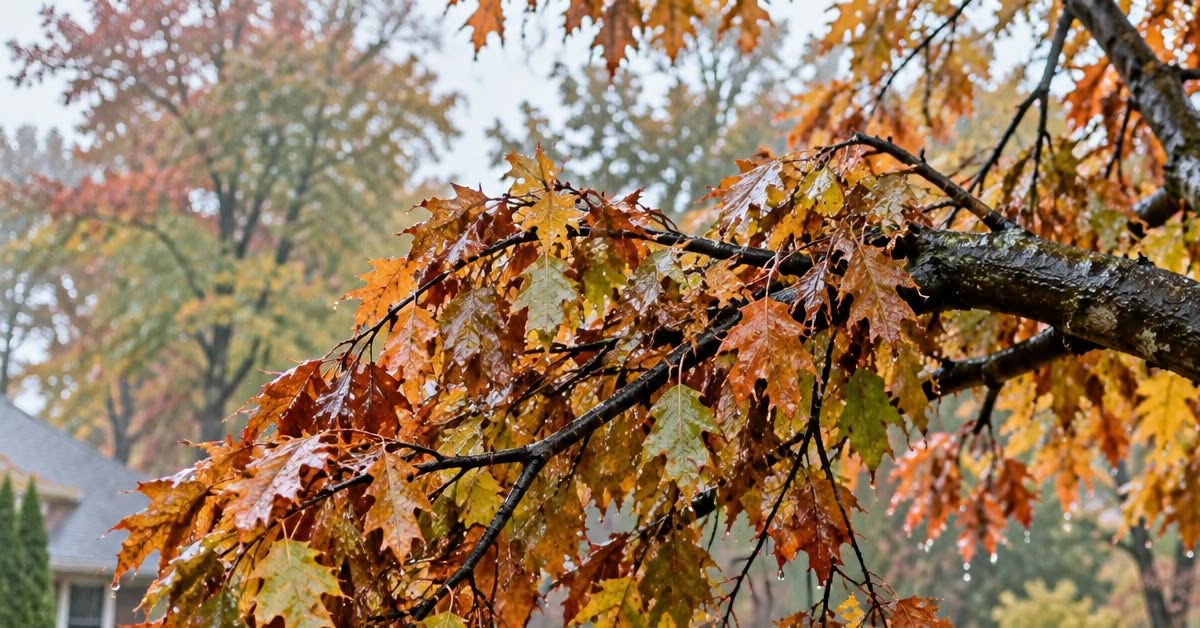
- Heavy snow and ice can bend or break young branches, while strong winds can loosen stakes, guards and wraps.
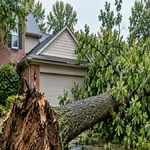
- After major storms, inspect the tree from a safe position. Look for broken branches, hanging limbs, cracked bark, a leaning trunk, split branch unions or displaced protection.
- Do not climb a damaged tree or work beneath unstable branches after an ice storm. Large or broken limbs can fall unexpectedly and should be handled by a professional tree service firm in Michigan.
- Keep ploughed snow from accumulating directly around the trunk, particularly where it contains road salt.
Choose the Right Planting Time and Location
Winter protection starts when the tree is planted. A suitable location should provide adequate soil volume, drainage and sunlight while limiting excessive wind and salt exposure.
- Trees planted too late in fall may enter winter with limited root establishment. Spring planting provides a full growing season for roots to develop before the next winter. Regardless of planting season, a recently planted tree deserves additional attention.
- Proper planting also matters. The root flare should remain visible at the appropriate level, and soil should not be piled against the trunk. Correct planting helps the tree develop a stronger foundation.
What to Do If a Young Tree Has Winter Damage
Some winter damage is obvious immediately, while other problems become visible in spring.
- Look for split bark, dead branch tips, broken leaders, animal chewing, sunken trunk areas, severe leaning or delayed leaf development.
- Do not assume every damaged tree needs to be removed. Some young trees can recover with appropriate care and corrective pruning. However, extensive trunk damage, girdling or major structural cracks can compromise long-term stability.
- A professional assessment can help determine whether rehabilitation is practical or whether replacement is the safer option.
Seasonal Young Tree Winter Care
- Late summer to early fall: Continue appropriate watering and inspect young trees for existing problems.
- Late fall: Deep-water during dry conditions, refresh mulch, install trunk protection and add wildlife or wind protection where needed.
- Winter: Check trees after major snow, ice and wind events. Inspect wraps, guards and stakes.
- Early spring: Remove seasonal trunk protection when appropriate, inspect for winter injury and arrange corrective pruning if necessary.
Clean Cut Tree Experts can help Southeast Michigan homeowners prepare young trees for harsh winter conditions with practical, site-specific care. Our team can assess tree health, recommend appropriate trunk, wildlife and wind protection, and identify potential risks before winter arrives. After heavy snow, ice or wind events, professional inspections can help spot broken branches, cracks or leaning trees that may need corrective pruning. Clean Cut Tree Experts can also provide storm response, pruning and safe tree removal when winter damage becomes a serious concern.
Frequently Asked Questions About Protecting Young Trees From Michigan Winters
When should I winterize a young tree in Michigan?
Late fall is generally the best time to complete winter preparation, before the ground freezes. Check soil moisture, refresh mulch and install appropriate protection during this period.
Do all young trees need trunk wrapping?
No. The need depends on species, bark characteristics, age and site exposure. Thin-barked trees in exposed locations are more likely to benefit.
How much mulch should I use?
A 2–4 inch layer is generally appropriate. Keep mulch away from the trunk and do not cover the root flare.
Can road salt damage a young tree?
Yes. Salt can affect roots through runoff and damage foliage through spray. Reduce exposure where possible and avoid piling salty snow around the tree.
How do I know if winter damaged my tree?
Look for cracked bark, broken branches, dead tips, animal damage, leaning or delayed spring growth. Significant trunk or structural damage should be professionally assessed.
Summary Checklist: Winter Tree Care
| Care Task | What to Check | Action |
| Fall watering | Dry soil | Water deeply before freezing |
| Mulching | Thin mulch or exposed roots | Apply 2–4 inches of organic mulch |
| Trunk protection | Thin bark or exposure | Install seasonal wrap or guard |
| Wildlife protection | Gnawing or browsing | Use hardware cloth or trunk guards |
| Wind protection | Open location | Consider a burlap windbreak |
| Salt protection | Road or driveway exposure | Reduce salt spray and runoff |
| Staking | Leaning or excessive movement | Inspect ties and remove when unnecessary |
| Storm inspection | Broken limbs or shifted protection | Check after major events |
Final Advice
Young trees need deliberate preparation to handle Michigan winters successfully. Deep fall watering, proper mulching, seasonal trunk protection and wildlife barriers address many common winter stresses. Trees near roads, driveways or exposed locations may need additional protection from salt and wind.
Inspect young trees after major storms and take cracked trunks, severe leaning or extensive bark damage seriously. Early professional advice can help determine whether a tree can recover or needs replacement.
Clean Cut Tree Experts can assess young trees across Southeast Michigan and recommend practical protection based on species, age and site conditions. From winter preparation and tree health assessments to corrective pruning, storm response and safe tree removal, Clean Cut Tree Experts can help protect your landscape for years to come.
Reviewed by Licensed Arborist
This article has been reviewed by a licensed arborist to ensure accuracy with the recommendations concerning trunk wrapping, frost cracking, staking, wildlife protection and severe winter damage.
Sources and Credible References
- USDA
- Science Direct
- University of Arkansas
- Missouri Botanical Garden
- Michigan State University
- University of Nebraska Lincoln
- The Ohio State University