March 2, 2026
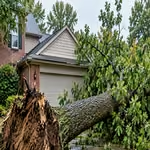
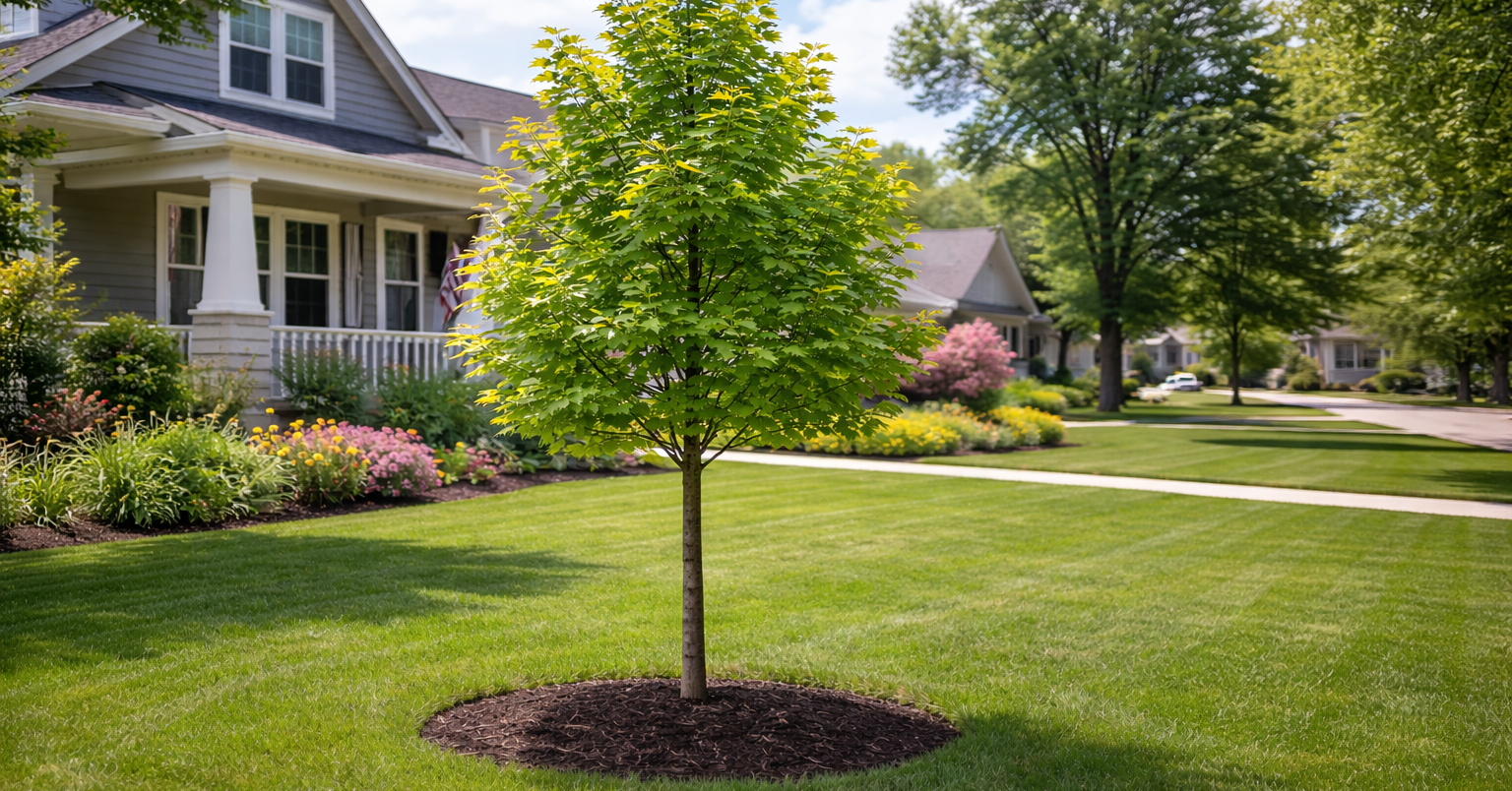
Is your Plymouth, MI yard missing that perfect shade tree? Perhaps an old tree has fallen, or a beloved specimen is past its prime. Choosing a replacement tree isn’t just about aesthetics; it’s about selecting a species that thrives in our specific local climate and adheres to city guidelines. Making the right choice ensures long-term beauty and avoids future headaches. Clean Cut Tree Experts is here to guide you through this important decision.
Key Takeaways
- Plymouth, MI is in USDA Hardiness Zones 6a and 6b, requiring cold-tolerant tree species.
- Local regulations, updated in 2024, govern tree planting and removal on both public and private property.
- Recommended replacement trees include Tulip Trees, disease-resistant Elms, and various native evergreens like Concolor Fir and White Pine.
- Consider specific challenges such as poor soil, pests, and diseases like Oak Wilt when selecting a new tree.
- Professional planting minimizes risks like property damage and ensures long-term tree health, offering peace of mind.
Why Choosing the Right Tree Matters in Plymouth, MI
Selecting the correct tree for your Plymouth property goes beyond personal preference. Our local environment presents unique challenges and opportunities that influence a tree’s success. Ignoring these factors can lead to stunted growth, disease, or even tree mortality. Why is local knowledge so vital?
- USDA Hardiness Zones 6a and 6b: Plymouth’s winters can drop to -10°F. Your chosen tree must be cold-hardy enough to survive these temperatures.
- Soil Quality: Many areas in Plymouth have varying soil conditions. Understanding your soil type helps in selecting species that will root and grow well.
- Pest and Disease Threats: Wayne County has seen Oak Wilt, a serious threat to oak trees. The Asian Longhorned Beetle also poses a risk to deciduous trees, particularly maples, in nearby regions. Choosing resistant species helps protect your landscape.
- Watering Practices: Inconsistent watering is a common issue. Some trees tolerate drought better, while others need regular moisture, especially when establishing.
- Mature Size and Placement: A tree that’s too large for its space can cause problems with power lines, foundations, or neighboring properties as it grows. Proper planning prevents future costly removals.
- Local Aesthetics: Blending your new tree with the existing landscape and neighborhood style can enhance curb appeal.
Plymouth’s Local Tree Regulations and Programs
Plymouth has clear guidelines for trees, especially with the city’s updated tree ordinance in 2024. Understanding these rules protects you from potential fines and ensures your planting efforts contribute positively to the community. Here’s what you need to know:
Public vs. Private Property Trees
The City of Plymouth distinguishes between trees on public property and private property. Public trees are those in the right-of-way (between sidewalks and streets). For these, removal is generally only permitted if an arborist certifies the tree is dead, diseased, or dying. Specific planting standards exist for street trees, including minimum distances from utilities, street corners (35 feet), and driveways (10 feet).
Hazardous Trees and Permits
The City can order the removal or treatment of dead or diseased trees on private property if they pose a hazard. Owners typically have 30 days to comply. Permits might be required for removing ‘Heritage and Protected Trees’ or trees on undeveloped property. It’s always best to check with the City Planning Department before undertaking significant tree work.
Community Tree Programs
Plymouth actively encourages tree planting through several initiatives:
- Street Tree Planting Program: As of July 2024, this program is free. City crews handle planting, staking, and mulching trees in the right-of-way. This is a great way to add to the public green infrastructure.
- Community Canopy Program: Partnering with the Arbor Day Foundation, the City offers up to 100 free large trees annually for residents to plant on their private property. This program helps enhance your personal landscape at no cost for the tree itself.
Top Recommended Replacement Trees for Plymouth Yards
Based on local climate, soil, and disease resistance, certain tree species consistently perform well in Plymouth, MI. When considering a replacement, Clean Cut Tree Experts recommends these reliable choices:
- Tulip Tree (Liriodendron tulipifera): An excellent choice for a large shade tree, growing 60 to 75 feet tall. It offers beautiful yellow-green flowers in spring and golden fall foliage. It is native to Michigan and adapts well to local conditions. Learn more from the USDA Forest Service species profile and the USDA Southern Research Station.
- COMMENDATION™ Elm (Ulmus americana ‘Commendation’): If you love the classic elm shape, this cultivar offers strong resistance to Dutch elm disease, drought tolerance, and good cold hardiness. It restores the traditional American elm canopy without the historic disease risk. See University of Minnesota Extension guidance on DED-resistant elms and the NC State Plant Database.
- Concolor Fir (Abies concolor): A beautiful evergreen option with soft, silvery-blue needles. It is hardy in Michigan winters and provides year-round interest and privacy. References: USDA Southern Research Station profile and Michigan State University horticulture resource.
- Norway Spruce (Picea abies): A fast-growing evergreen that tolerates a wide range of soils and conditions, providing dense screening and wind protection. Performs reliably in cold climates. See the NC State Plant Database for more details.
- Serbian Spruce (Picea omorika): Known for its graceful, slender form and dark green needles with silvery undersides. Offers elegance, cold hardiness, and a narrower footprint for tighter spaces.
- White Pine (Pinus strobus): A fast-growing native evergreen with soft needles, providing excellent habitat value and a natural woodland look. Well adapted to Michigan soils and climate.
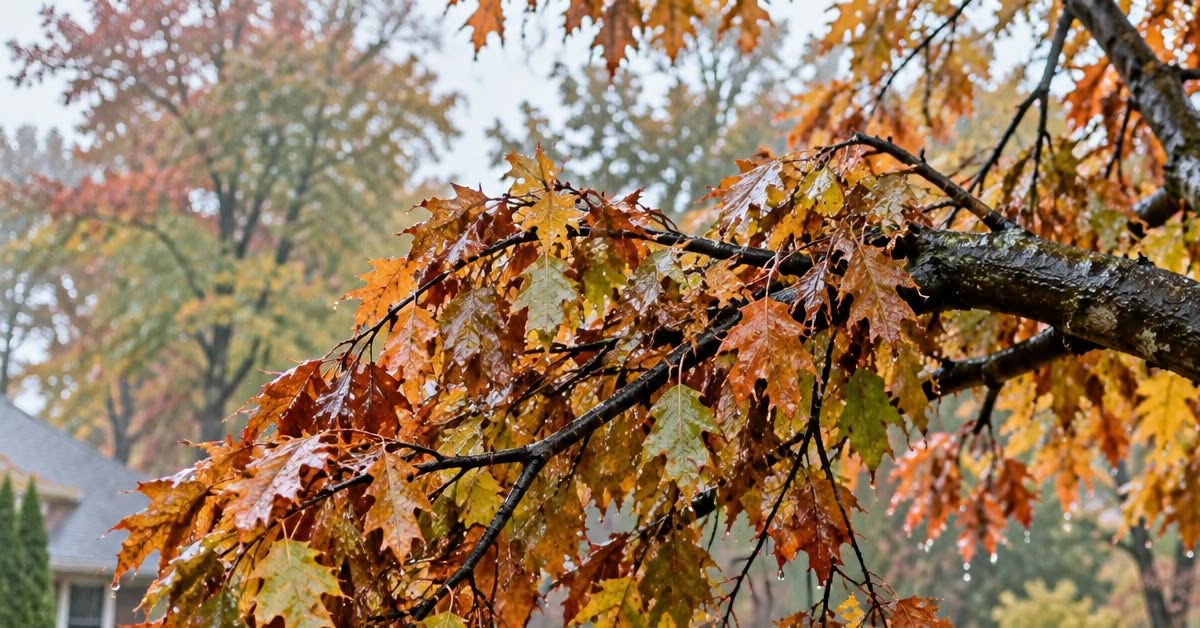
- Native Deciduous Trees: Consider species like Red Maple (Acer rubrum), Sugar Maple (Acer saccharum), River Birch (Betula nigra), and Kentucky Coffeetree (Gymnocladus dioicus). Native trees are generally well adapted to local conditions and provide strong ecological benefits for wildlife.
If planting maples, remain aware of invasive pest risks such as the Asian longhorned beetle.
Factors for Selecting Your Ideal Tree
Choosing the right tree involves more than just picking a species from a list. You’ll want to consider several factors unique to your property:
- Site Conditions: How much sunlight does the spot get? What’s the soil like (sandy, clay, well-drained)? Are there overhead power lines or underground utilities?
- Mature Size: How tall and wide will the tree get? Ensure it won’t outgrow its space, interfere with structures, or block views.
- Purpose: Are you looking for shade, privacy screening, ornamental beauty, or wildlife habitat?
- Maintenance Needs: Some trees require more pruning, watering, or pest management than others. Consider your available time and resources.
- Disease and Pest Resistance: Prioritize species known to resist common local threats like Oak Wilt or those less susceptible to invasive pests.
- Fall Color and Seasonal Interest: Think about how the tree will look throughout the year. Do you want vibrant fall foliage or year-round evergreen beauty?
Common Questions Homeowners Ask
What USDA Hardiness Zone is Plymouth, MI in, and why does it matter for tree planting?
Plymouth, MI falls within USDA Hardiness Zones 6a and 6b. This means you should choose trees that can tolerate winter low temperatures between -10°F and 0°F. Selecting species well-suited to these zones ensures your trees have the best chance to survive and flourish.
Are there specific tree planting or removal regulations in Plymouth, MI?
Yes, the City of Plymouth has updated its tree ordinances. These regulate planting, maintenance, and removal of trees on both public and private property. Permits may be required for removing ‘Heritage and Protected Trees’ or trees on undeveloped land, so it’s wise to check before you begin.
What are some of the best replacement tree species for Plymouth yards?
For larger shade trees, the Tulip Tree and the COMMENDATION™ elm are excellent choices, known for their resilience. Evergreen options include Concolor Fir, Norway Spruce, and White Pine. Clean Cut Tree Experts helps you pick the best fit for your specific yard conditions.
What are the common challenges for trees in Plymouth, MI?
Plymouth trees face challenges like poor soil quality, various pests, and diseases such as Oak Wilt, which is present in Wayne County. Invasive species like the Asian Longhorned Beetle are also a concern, though not yet widely detected in Michigan. Proper species selection helps mitigate these risks.
Are there any city programs in Plymouth that help with tree planting?
The City of Plymouth offers a free annual Street Tree Planting Program for trees in the right-of-way and a ‘Community Canopy Program’ for free trees on private property (limited to 100 per year). These are excellent resources for residents, and Clean Cut Tree Experts can advise on their use.
Why should I use a professional service like Clean Cut Tree Experts for tree replacement?
Professional tree planting by Clean Cut Tree Experts ensures proper species selection, correct planting depth, soil amendment, and initial care. This significantly increases the tree’s survival rate and long-term health, saving you potential costs and disappointment from DIY mistakes.
Final Thoughts on Choosing the Right Replacement Tree in Plymouth
Selecting the right replacement tree for your Plymouth, MI, property is a decision that impacts your landscape for decades. With unique local regulations, specific climate challenges, and the need for long-term health, you want to get it right. Clean Cut Tree Experts offers the local knowledge, professional expertise, and meticulous service needed to ensure your new trees thrive. Ready to enhance your yard’s beauty and value? Contact Us today for a consultation.