April 18, 2026
Michigan’s lush landscapes and vibrant tree canopy are part of what make the region so beautiful. However, the same humid summers and variable weather that promote growth also create ideal conditions for fungal diseases and decay. Homeowners across Southeast Michigan often face challenges with tree fungus, blight, and root rot that can spread quickly and weaken even mature trees.
In this comprehensive guide from Clean Cut Tree Experts, we’ll explore the most common fungal diseases and decay issues affecting local trees, how to identify early symptoms, and what steps to take to protect your property and maintain healthy trees year-round.
What Causes Tree Fungus, Blight, and Rot in Michigan?
Tree fungus and blight are primarily caused by pathogens such as fungi, bacteria, or mold that invade through wounds or weakened bark. Poor drainage, compacted soil, overwatering, and pruning injuries can make trees vulnerable to infection. Once inside, fungi disrupt nutrient flow and compromise the tree’s vascular system.
Environmental Factors That Contribute to Tree Diseases
- High humidity and frequent rainfall.
- Poor air circulation in dense landscapes.
- Excess mulch against tree trunks traps moisture.
- Drought stress weakens natural defenses.
- Contaminated pruning tools spread pathogens.
Understanding these triggers helps homeowners and arborists create preventive care routines tailored to Southeast Michigan’s climate.
How to Identify Tree Fungus and Decay Early
Catching a fungal problem early can save a tree from decline. Visible symptoms often appear on leaves, bark, or roots before spreading throughout the canopy.
Common Symptoms of Fungal Infections
- Discolored or spotted leaves that fall prematurely.
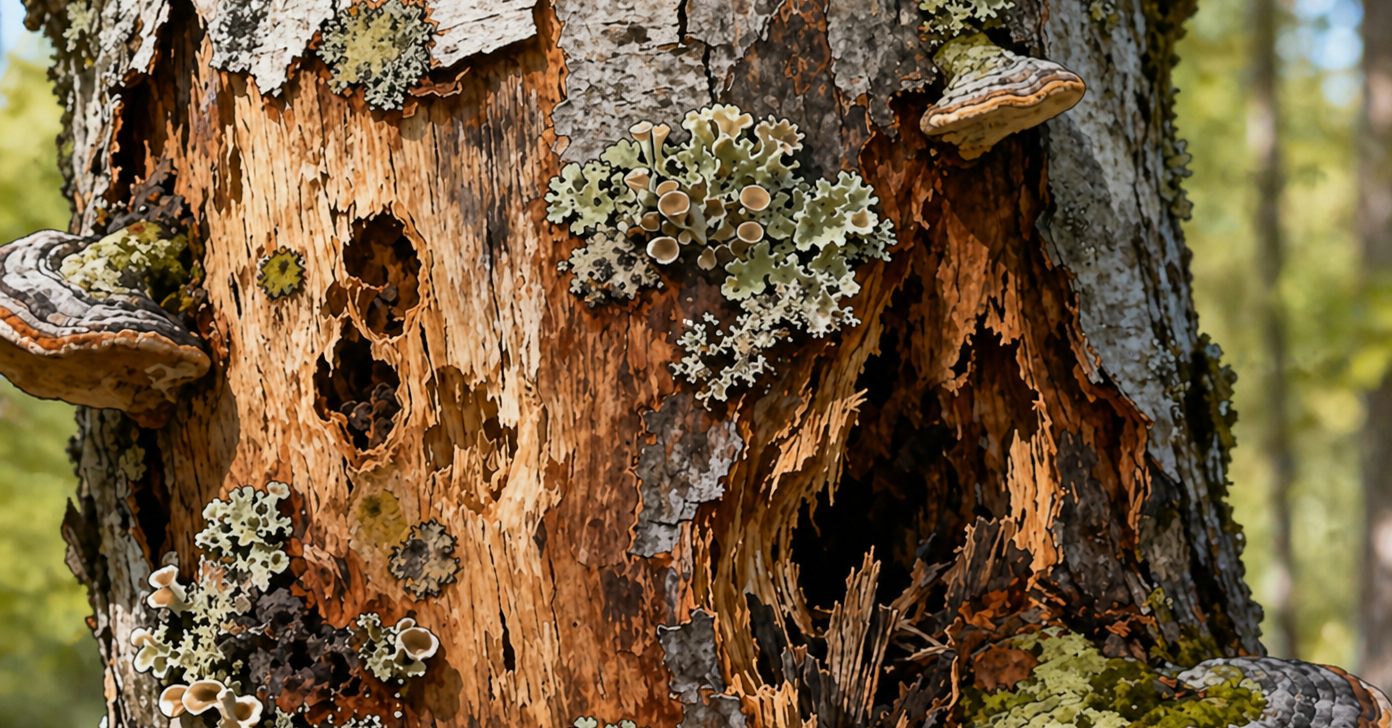
- White, black, or orange fungal growth on bark or branches.
- Mushrooms or conks are growing at the tree’s base.
- Soft, decaying wood near the trunk or root collar.
- Peeling bark or oozing sap.
- Branch dieback or thin canopies.
If you notice these signs, schedule a professional inspection immediately. Clean Cut Tree Experts can determine whether the issue is surface-level or internal decay requiring urgent action.
Common Tree Diseases Affecting Michigan Trees
Michigan’s mix of hardwoods and evergreens faces several recurring fungal and bacterial threats. Here are the most frequent ones we encounter across residential and commercial landscapes.
Oak Wilt
Oak wilt is one of Michigan’s most destructive tree diseases, caused by the fungus Bretziella fagacearum. It spreads through root grafts or beetles carrying spores between trees. Once infected, red oaks can die within weeks.
Symptoms: Sudden leaf wilting, browning edges, and rapid canopy loss. White oaks decline more slowly but still require treatment.
Anthracnose
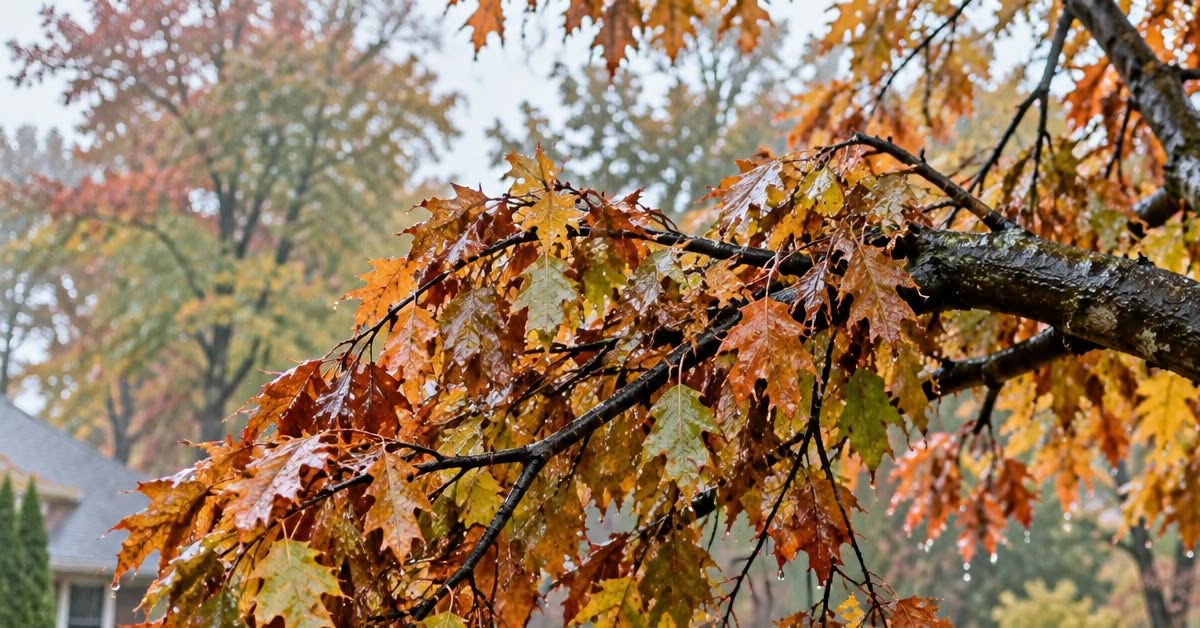
This leaf disease affects maples, oaks, sycamores, and dogwoods. It causes brown blotches and premature leaf drop during wet springs.
Prevention: Proper pruning to increase airflow and removing infected leaf litter in the fall.
Verticillium Wilt
A soil-borne fungus that attacks through roots, cutting off nutrient and water transport. Maples and redbuds are especially vulnerable.
Warning Signs: Wilting on one side of the tree, streaked sapwood, and sparse leaves.
Root Rot
Caused by fungi such as Armillaria or Phytophthora, root rot weakens structural stability and often leads to full tree failure.
Indicators: Mushrooms at the trunk base, foul odor, or hollow roots.
Fire Blight
A bacterial disease that affects flowering trees like apple, pear, and crabapple. It thrives during warm, humid weather.
Visual Clues: Blackened, curled twigs resembling scorched tips.
Common Tree Diseases and Their Key Symptoms
| Disease | Common Host Trees | Key Symptoms |
| Oak Wilt | Red & White Oaks | Sudden wilting, browning leaves |
| Anthracnose | Maples, Oaks, Sycamores | Brown blotches, early leaf drop |
| Verticillium Wilt | Maples, Redbuds | Wilting on one side, streaked sapwood |
| Root Rot | Pines, Oaks | Mushrooms at base, soft roots |
| Fire Blight | Crabapples, Pears | Blackened, scorched twigs |
How to Prevent Tree Fungus and Blight Before It Starts
Proactive care is the best defense against blight and rot. Healthy trees are more resilient to infection and environmental stress.
Practical Prevention Strategies
- Prune during dry weather: Reduces disease spread through open cuts.
- Disinfect tools between trees: Prevents cross-contamination.
- Improve drainage: Prevents root suffocation and fungal growth.
- Mulch properly: Keep mulch 3–5 inches from the trunk.
- Fertilize wisely: Avoid excessive nitrogen, which encourages soft, disease-prone tissue.
- Water deeply but infrequently: Promotes strong root systems.
Routine maintenance by professionals ensures issues are caught before they escalate.
Tree Fungus Treatment: What Works and When to Call an Expert
Treatment depends on the type of infection, severity, and tree species. In many cases, a combination of pruning, fungicide, and soil management provides the best results.
Treatment Methods Used by Arborists
- Pruning infected areas: Removes diseased limbs and prevents spread.
- Fungicide applications: Protects healthy tissue from new infections.
- Root collar excavation: Exposes roots for oxygen exchange and reduces moisture buildup.
- Air spading: Loosens compacted soil to promote microbial balance.
- Nutrient therapy: Restores tree vitality and strengthens natural defenses.
At Clean Cut Tree Experts, we use environmentally safe treatments tailored to Michigan’s tree species and soil conditions.
When to Remove a Tree Affected by Fungus or Rot
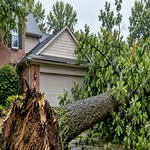
Sometimes, removal is the only safe option when structural stability is compromised or infection is too advanced. A severely decayed tree poses a high risk of falling and endangering nearby property or people.
Situations That Require Removal
- Fungal decay affects more than one-third of the trunk.
- Root rot is causing visible leaning or soil upheaval.
- Hollow trunks indicate internal rot.
- Recurring fungal fruiting bodies each season.
- Trees located near driveways, homes, or power lines.
Clean Cut Tree Experts provides safe, insured removal services, including stump grinding and disposal, to prevent further disease spread.
How Soil Health Affects Tree Fungus and Rot
Healthy soil is a tree’s immune system. When soil becomes compacted or depleted, trees struggle to absorb nutrients and oxygen.
How to Maintain Soil Vitality
- Test soil pH annually and amend as needed.
- Use organic compost to boost beneficial microorganisms.
- Aerate heavy clay soils common in Southeast Michigan.
- Avoid piling mulch or debris that traps excess moisture.
Healthy soil supports root growth and creates natural resistance to fungal attacks.
Seasonal Tree Care for Disease Prevention
Each season brings unique challenges and opportunities for protecting your trees. Adapting care routines ensures long-term health and resilience.
Spring
Inspect for winter damage, prune dead branches, and apply preventive fungicides before leaf-out.
Summer
Water deeply during dry spells and monitor for signs of blight or leaf discoloration.
Fall
Remove fallen leaves and debris that harbor fungal spores. Fertilize with a slow-release formula to strengthen roots before winter.
Winter
Schedule dormant pruning to improve structure and airflow for the next growing season.
A year-round maintenance plan minimizes disease pressure and supports steady growth.
Professional Diagnosis and Treatment Services
Identifying the exact cause of tree decline requires expert evaluation. Many symptoms overlap between fungi, pests, and environmental factors, making professional diagnosis crucial.
Why Choose Clean Cut Tree Experts
- Qualified arborists familiar with Michigan’s regional tree species.
- Safe, eco-friendly treatment programs.
- State-of-the-art diagnostic tools and soil testing.
- Long-term maintenance plans to restore balance.
We focus on both short-term recovery and long-term prevention, helping homeowners avoid repeated infections.
How to Spot Hidden Decay in Mature Trees
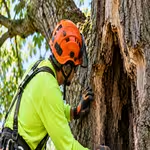
Not all fungal problems are visible from the outside. Internal rot can develop silently for years before showing symptoms.
Indicators of Internal Decay
- Mushrooms or conks appear repeatedly at the base.
- Unexplained canopy thinning or limb drop.
- Hollow sounds when tapping the trunk.
- Insect infestations in softwood.
Routine professional inspections detect hidden decay early, preventing sudden tree failure.
Why Early Treatment Is Critical for Tree Fungus and Blight
The earlier you identify tree fungus or blight, the easier it is to manage. Waiting too long often allows infections to reach the roots or internal tissues, making treatment difficult.
Benefits of Acting Quickly
- Prevents spread to nearby trees.
- Reduces the need for removal.
- Preserves landscape investment.
- Maintains ecosystem balance.
Quick response saves both trees and money in the long run.
How to Build a Fungus-Resistant Landscape in Michigan
Choosing the right trees and maintenance practices can drastically reduce the risk of future fungal outbreaks.
Smart Landscaping Tips
- Plant diverse species to prevent disease spread among similar trees.
- Choose native Michigan varieties that resist common fungi.
- Ensure proper spacing for airflow.
- Regularly prune and fertilize to maintain strength.
A healthy, diverse landscape naturally limits disease severity and recovery time.
Frequently Asked Questions
What is the most common tree fungus in Michigan?
Oak wilt and anthracnose are the most common fungal issues across Southeast Michigan. They thrive in warm, humid weather and can spread quickly if infected branches aren’t pruned or treated early.
Can a tree recover from root rot?
Mild root rot can often be reversed with improved drainage, soil aeration, and targeted treatment. However, in advanced cases where the root system has decayed, removal is typically required to prevent spread.
Are fungicides safe for pets and the environment?
Yes. The fungicides used by Clean Cut Tree Experts are EPA-approved and eco-friendly when applied correctly. Our team follows strict safety protocols to protect pets, people, and surrounding plants.
How often should I have my trees inspected for disease?
Schedule a tree health inspection once a year, ideally before spring growth. Mature, high-value, or previously infected trees may benefit from biannual professional checkups.
Should I remove a tree stump if it has fungus?
Yes. Fungal spores can live in decaying wood and spread to nearby healthy trees. Removing infected stumps and roots prevents reinfection and improves soil health.
Protect Your Michigan Trees from Fungal and Rot Damage
Don’t wait until decay becomes irreversible. Clean Cut Tree Experts provides expert diagnosis, treatment, and preventive care for fungal infections and rot across Southeast Michigan.
Visit cleancuttreeexperts.com or call today to schedule your tree health inspection and keep your landscape thriving year-round.