April 9, 2026
Key Takeaways:
- Hidden tree hazards can appear even when trees look healthy.
- Common problems include weak branches, split trunks, and root damage.
- Weather, soil conditions, and poor placement increase risks.
- Emergency tree services can prevent property damage and personal injury.
- Preventative maintenance, inspections, and proper pruning reduce long-term risk.
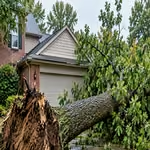
Buying a home is exciting, but trees on the property can hide serious hazards. Tree problems for new homeowners refer to structural, health, or placement issues that can turn a beautiful landscape into an emergency. These hazards are often invisible until a storm, heavy snow, or strong wind reveals them, leading to broken limbs, cracked roofs, or uprooted trees.
Common Tree Problems New Homeowners Overlook
Many new homeowners focus on aesthetics, but trees require more attention than just watering and trimming. Shallow roots, overgrown canopies, and hidden decay are common risks.
Weak Branch Unions and Split Trunks
Trees with V-shaped branch unions or included bark are structurally weak and more likely to split under pressure from wind, ice, or snow loads. This type of structural defect is widely recognized as a major cause of tree failure, as explained in Tree health.
Shallow or Damaged Roots
Roots lifting sidewalks, driveways, or nearby pipes are a frequent surprise. Shallow roots also make trees more prone to toppling in wind or saturated soil conditions.
Hidden Decay or Disease
A tree can appear healthy above ground while internal decay or fungal infections weaken its structural integrity, making it more prone to failure during storms or stress conditions. Research from USDA Forest Service explains how internal decay reduces tree strength even when foliage looks normal.
Why Trees Become Emergencies
Trees can suddenly become dangerous even if they’ve been stable for years. Factors that turn a tree into an emergency situation include:
Environmental Stressors
High winds, ice storms, and heavy snow add weight to branches and stress the trunk. Trees with preexisting weaknesses or shallow roots are more likely to fail.
Soil and Site Conditions
Compacted soil, poor drainage, or urban construction can prevent roots from anchoring properly. This increases the risk of tree failure during storms.
Neglected Maintenance
Failing to prune dead or overhanging branches or ignoring signs of decay often turns minor issues into urgent emergencies.
Emergency Tree Services for New Homeowners
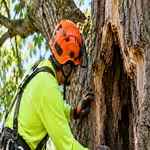
If you notice leaning trees, cracks in the trunk, or dead branches, emergency tree services for new homeowners can prevent damage. These services typically include:
- Removal of leaning or fallen trees threatening homes or vehicles
- Pruning of large or unstable limbs before storms
- Assessment of tree health and stability
- Stump grinding to restore safe, level ground
Having a trusted tree service company on call can make all the difference between a minor hazard and a costly emergency.
Preventative Steps to Protect Your Property
Preventing tree emergencies begins with early inspections and maintenance. Recommended steps include:
- Inspect your trees regularly: Look for cracks, decay, or lean.
- Prune weak or overhanging limbs: Especially those near roofs or driveways.
- Check roots and soil conditions: Avoid planting near large trees or compacted areas.
- Mulch and water correctly: Promote deep, strong roots instead of shallow surface growth.
These simple practices reduce risk and help trees thrive safely.
Real-World Field Insights
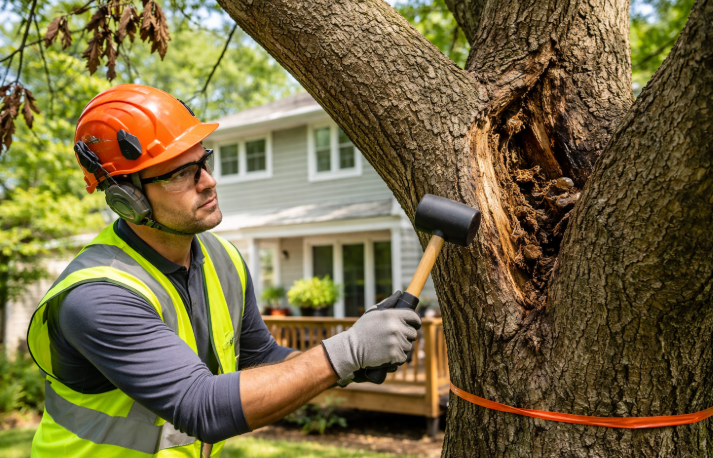
Last fall, we visited a new homeowner in Ann Arbor who had inherited a 40-year-old Silver Maple. The homeowner assumed the tree was healthy because the leaves were green. A sounding hammer inspection revealed hollow areas inside the trunk. Two weeks later, after a windstorm, a large limb fell and narrowly missed the garage.
Lesson: Green leaves do not guarantee a structurally sound tree. Early assessment and professional pruning could have prevented this near-miss.
Local Michigan tree service companies like Clean Cut Tree Services offer inspections and emergency removal for situations like this.
Placement and Long-Term Safety
Even healthy trees can be hazardous if placed incorrectly. Consider:
- Distance from structures: Mature trees need clearance from roofs, sidewalks, and power lines.
- Wind and exposure: Trees on open lots or hills are more susceptible to storm damage.
- Species suitability: Fast-growing trees like Silver Maples or Bradford Pears often become safety hazards over time.
Planning for both species and placement protects your property and reduces emergency calls.
Frequently Asked Questions
How do I know if I need emergency tree services?
Look for leaning trunks, visible cracks, dead branches, or roots lifting pavement. Early intervention prevents storm damage.
Can a tree look healthy but still be dangerous?
Yes. Trees can have internal rot or weak branch unions even with a green canopy.
Are some tree species more hazardous than others?
Fast-growing species like Silver Maple, Bradford Pear, and Willows are prone to splitting and decay. Slow-growing, strong-wood species are safer long-term.
How often should I inspect my trees?
At least twice a year, ideally in spring and fall, and after severe storms.
Can I prune a tree myself to make it safe?
Large or high-risk trees should be handled by professionals. Improper pruning can worsen hazards.
What if a tree is near a power line?
Never attempt removal yourself. Contact emergency tree services trained in utility clearance and storm safety.
How expensive is emergency tree removal?
Costs depend on tree size, location, and urgency. Many companies provide on-site estimates before work begins.
Can preventative maintenance prevent emergencies?
Yes. Early pruning, root care, and inspection reduce risk and extend tree lifespan.
Conclusion
New homeowners often underestimate the hidden risks trees can pose. From split trunks to shallow roots, even attractive, healthy-looking trees may become emergency hazards. Regular inspections, proper maintenance, and professional guidance from emergency tree services for new homeowners keep your property safe, protect your investment, and prevent costly storm damage.
Reviewed by Clean Cut Tree Experts
This safety analysis has been reviewed by the team at Clean Cut Tree Experts to ensure accuracy based on real-world tree care experience and common risk scenarios seen in residential properties. Guidance in this content is informed by best practices from the USDA Forest Service and homeowner-focused recommendations from Michigan State University Extension.