
April 26, 2026
When high winds or severe storms sweep through Southeast Michigan, trees are often the first to feel the impact. Understanding how to protect trees from high winds and severe storms helps reduce property damage and keep landscapes safe year-round. Healthy, well-maintained trees can withstand intense weather, while those weakened by decay, poor structure, or neglect pose serious risks to homes, vehicles, and families.
At Clean Cut Tree Experts, we combine experience, precision, and proactive care to keep local maples, oaks, and evergreens storm-ready. Our licensed and insured arborists inspect, prune, and fortify trees to improve strength, balance, and stability, helping properties stay protected through every season.
Understanding the Risks: How Storms Affect Trees
Severe storms test the strength of every tree. High winds, heavy rain, and lightning can all expose hidden weaknesses that develop over time. Even healthy trees can suffer damage if their structure or roots aren’t properly maintained. According to the National Weather Service, high winds can easily topple trees with compromised root systems or dense canopies.
Common Storm Damage and How Clean Cut Tree Experts Prevent It
Clean Cut Tree Experts addresses each storm-related risk with tailored care solutions that strengthen root systems, stabilize structure, and prevent failure before it happens.
Healthy trees are resilient trees. With proper maintenance and expert care from Clean Cut Tree Experts, storm damage can be prevented before it happens, protecting both your property and your landscape for years to come. 1. Inspect Tree Health Year-Round to Prevent Storm DamageThe best time to protect your trees from storms is before the weather turns bad. Regular inspections help identify potential hazards early. What to Look For:
Schedule a professional inspection at least once a year. Clean Cut Tree Experts can identify risks and recommend targeted solutions such as pruning, cabling, or removal if necessary. 2. How Proper Tree Pruning Prevents Storm DamagePruning is one of the most effective ways to prepare trees for storm season. Strategic trimming reduces wind load, improves the structure, and prevents weak branches from breaking. Research from the USDA Forest Service suggests that structural pruning of young trees is the most cost-effective way to prevent future storm failure. Pruning Best Practices:
Professional pruning not only keeps trees healthy but also dramatically lowers the risk of property damage during severe weather. 3. Reinforce Weak Trees with Professional Cabling and BracingIf your trees have large or heavy limbs, especially those that extend over your home or driveway, cabling and bracing can add essential support. How It Works:
These systems provide stability without harming natural growth. Clean Cut Tree Experts uses professional-grade materials to ensure trees remain secure during storms without restricting flexibility. 4. Keep Tree Roots Strong and Stable During StormsA tree’s strength begins underground. Root damage from construction, compaction, or erosion can make even large trees vulnerable in high winds. The International Society of Arboriculture (ISA) emphasizes that maintaining healthy root zones is critical for tree stability. How to Protect Roots:
When roots are healthy and soil is stable, trees can better anchor themselves during heavy storms. 5. Remove Hazard Trees Before Storm SeasonSometimes, the safest solution is removal. Trees that are dead, severely decayed, or leaning dangerously pose serious risks during high winds. Warning Signs a Tree Should Be Removed:
Removing hazard trees early prevents emergency hazards and protects nearby structures from storm-related damage. Clean Cut Tree Experts provides safe, efficient tree removal with complete cleanup and stump grinding to restore your property’s safety and appearance. 6. Create Windbreaks for Added ProtectionWindbreaks help reduce wind speed and turbulence, giving trees and surrounding landscapes an extra layer of protection during storms. In open Michigan neighborhoods or properties near lakes, strategically placed windbreaks can make a major difference in storm resilience. You can learn more about designing effective windbreaks through resources provided by the University of Nebraska-Lincoln’s agricultural extensions. Building Effective Windbreaks:
Over time, these natural shields can significantly reduce the force of wind reaching your larger trees and home. 7. Secure Newly Planted and Young TreesYoung trees are more susceptible to being uprooted or snapped in strong winds because their roots are still developing. Steps to Protect Young Trees:
After severe weather, always inspect the root ball to ensure the tree hasn’t shifted. 8. Prepare for Lightning ProtectionFor large or high-value trees, a lightning protection system can prevent catastrophic damage. This system channels electricity safely into the ground. Key Benefits:
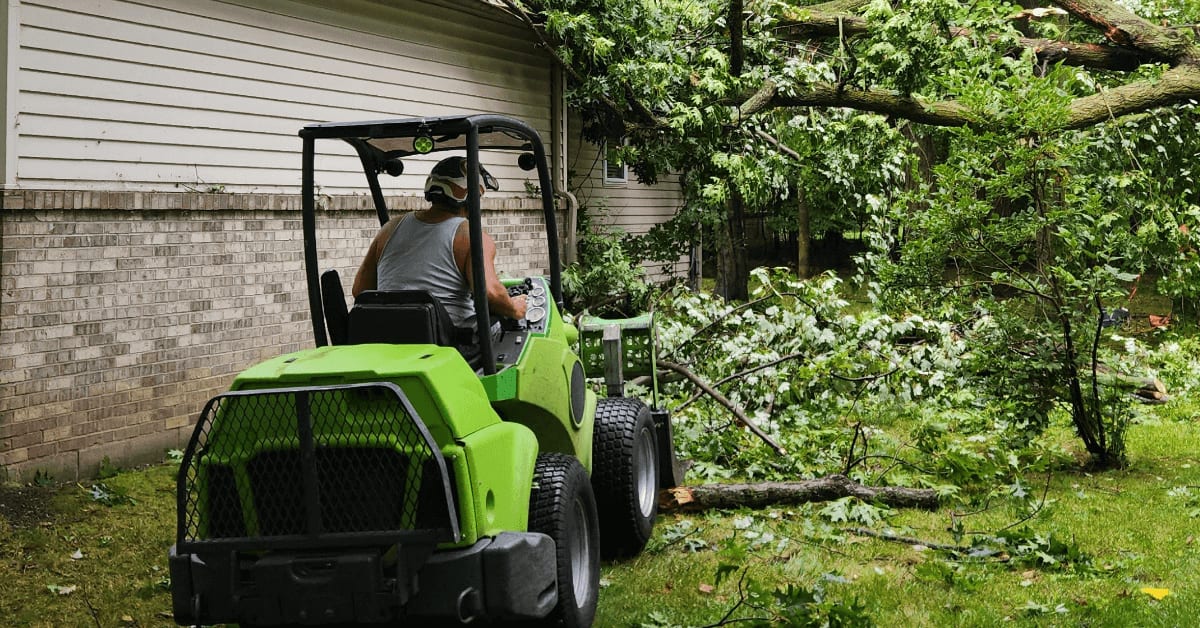
Lightning protection is especially valuable for heritage or specimen trees that add character and value to your property. 9. Emergency Tree Care After a StormEven with proper preparation, storms can cause unexpected damage. The way you handle cleanup afterward can determine your trees’ recovery. Immediate Steps:
Attempting to prune or cut storm-damaged trees yourself can lead to serious injury or further damage. Always leave it to trained crews with proper equipment. 10. Long-Term Tree Maintenance and Storm ResilienceStorm preparation is not a one-time effort. Regular care builds stronger, more resilient trees that can withstand extreme conditions. Ongoing Care Plan:
Healthy trees are naturally more resistant to stress. By working with Clean Cut Tree Experts, you can establish a year-round plan that strengthens your landscape against whatever nature brings. Why Choose Clean Cut Tree ExpertsFor years, homeowners and businesses have trusted Clean Cut Tree Experts for professional tree care that combines expertise, safety, and precision. Their licensed team provides preventive maintenance, emergency response, and restoration services designed to protect your property through every season. Services Include:
They serve residential, commercial, and municipal clients across the region, earning a reputation for dependable, affordable, and top-quality work. Frequently Asked QuestionsHow do I know if my tree can survive after storm damage?A professional arborist can determine whether structural damage is repairable. If more than 50% of the canopy or trunk is compromised, removal may be the safest choice. Can pruning really prevent storm damage?Yes. Proper pruning removes weak or overextended limbs that are most likely to break during high winds, reducing risk to your property. What should I do if a tree falls on my property?First, ensure everyone’s safety and avoid touching downed power lines. Then contact Clean Cut Tree Experts for emergency removal and insurance documentation. Should I cable or brace my trees?Cabling and bracing are ideal for trees with heavy branches, multiple trunks, or weak connections. An arborist can assess if your tree would benefit from additional support. When is the best time to prepare for storm season?Late spring or early summer is ideal, but regular maintenance year-round offers the best protection. Avoid waiting until storms are imminent. How often should I schedule professional inspections?At least once a year or after any major storm event. Early detection of disease or decay prevents small issues from becoming dangerous. Protect Your Trees Before the Next StormDon’t wait for the next weather alert to find out your trees aren’t ready. Strengthen your landscape now with expert preventive care from Clean Cut Tree Experts, your trusted local team for safety, reliability, and long-term protection. Visit cleancuttreeexperts.com or call today to schedule your storm-preparation inspection. |